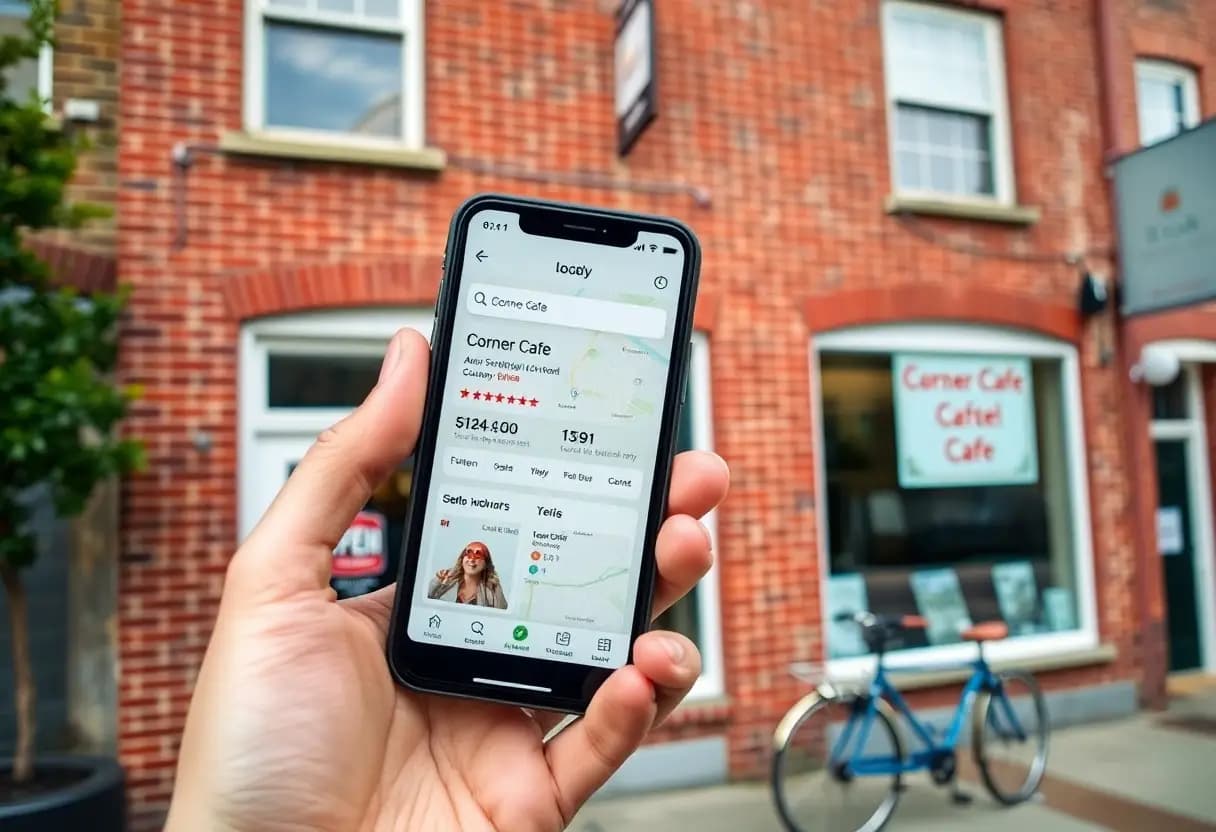

Local search optimization targets nearby customers so you get real phone calls that convert; optimize your listings, citations, and reviews so missed leads don’t cost you revenue, and track calls to prove higher conversions from local intent.

Understanding the call path: how local searches become phone calls
Trace the path from a local search to a call: you spot a nearby listing, scan reviews and hours, then tap to call; local results often generate immediate, high-intent leads that skip longer online funnels.
Searcher intent, “near me” queries, and local purchase behavior
When you use “near me” or add a location, search engines prioritize proximity and relevance, shortening discovery and increasing the chance you place a call for instant service or purchase; this drives high-intent traffic.
Mobile-first behavior and click-to-call interaction patterns
Mobile use changes interaction patterns – maps, review snippets, and single-tap call buttons dominate, so you expect immediate contact; optimizing click-to-call reduces friction and converts searches into phone conversations.
Additionally, you see clear signals: peak call windows, brief decision cycles, and preference for spoken answers; tracking call sources and testing button placement or label text gives measurable ROI on mobile optimizations.
Optimize your Google Business Profile for calls
Optimize your GBP to make calling frictionless: keep phone number and hours updated, enable the call button, and set a clear service area so callers know you serve them.
Accurate NAP, hours, call button, and service-area settings
Ensure your NAP matches everywhere, hours reflect real availability, the call button is active, and service-area settings target neighborhoods where you want phone leads.
Using GBP posts, messaging, and booking links to prompt calls
Use GBP posts, messaging, and booking links to nudge direct calls: write clear CTAs, enable quick replies so you respond faster, and offer a callback option.
Additionally, set booking links to include a call-back choice, enable messaging auto-responses with local context, and use call-tracking numbers so you can measure which GBP elements drive real calls.
On-page local SEO and mobile UX that encourages calling
Optimize on-page elements and mobile flows so people call you: keep consistent NAP, schema, and a phone-first mobile layout, since phone number visibility and fast pages directly lift your call conversions.
Localized content, clear CTAs, and prominent phone placement
Localize your copy and CTAs so nearby searchers know you serve them: use neighborhood keywords, concise offers, a clear CTA, and prominent phone placement above-the-fold to prompt immediate dialing.
Click-to-call markup, fast mobile pages, and responsive design
Implement click-to-call markup, maintain fast mobile pages, and adopt responsive layouts so users can dial you instantly; those signals boost UX and local rankings.
Ensure your tel: links are correctly formatted, provide large tap targets, compress images, defer noncritical scripts, and use AMP or responsive breakpoints so pages load on cellular networks; instrument call tracking and analytics to attribute calls and detect where poor performance causes lost conversions.
Local citations, directories, and reputation management
Effective local citations and directory listings ensure you appear where customers search, with consistent NAP and phone details that drive calls and reduce missed leads.
Building and auditing consistent citations across the web
Audit your listings to fix NAP, categories, and phone numbers, using aggregators and a shared tracker so exact NAP and call details are uniform across sites.
Review strategy and reputation signals that increase call trust
Encourage prompt, authentic reviews, respond to feedback, and display recent ratings so you ensure callers see consistent high scores and active responses that build trust before they dial.
Balance review requests post-service, use schema markup and review snippets on listings, and train staff to ask callers after positive interactions so you actively address negatives and flag fraud because unmanaged negative or fake reviews can deter callers despite high SEO.
Structured data, the map pack, and local link signals
Structured data like LocalBusiness schema helps you surface in the map pack by clearly exposing your address, hours, and phoneNumber, making it far more likely that searchers will place direct, trackable calls to your business.
LocalBusiness schema and call-specific markup to improve visibility
Use LocalBusiness schema to mark your telephone, openingHours, and address so search results show click-to-call and rich snippets; implement potentialAction/CallAction to prompt direct dialing for mobile searchers.
Earning local links and optimizing for map-pack placement
Optimize your local link profile by earning links from nearby businesses, local news, and directories; consistent NAP and authoritative local links strengthen signals that help you appear in the map pack and drive more calls.
Earn quality links by sponsoring events, partnering with local organizations, and securing coverage in community outlets; avoid spammy directories that can harm your rankings and focus on authoritative local links that send referral traffic and boost your map-pack placement.
Tracking, analytics, and proving ROI from phone leads
Use server-side analytics, call tracking, and CRM links so you can tie phone leads to campaigns and prove ROI, showing which keywords and listings generate paying customers.
Call-tracking techniques: dynamic numbers, forwarding, and UTMs
Implement dynamic numbers, call forwarding, and UTM-tagged links so you can map each call to source; use pooled numbers for pages and unique numbers for paid channels to avoid attribution drift.
Measuring call quality, attribution, and conversion value
Track call duration, outcome tags, and recordings so you can score lead quality and assign a monetary conversion value that feeds into CPC and LTV calculations; prioritize high-quality, closed calls.
Assess calls with a rubric (source, intent, duration, outcome), integrate recordings into your CRM, and use multi-touch attribution to avoid over-crediting one channel; flag lead fraud or low-quality patterns that distort ROI.
Summing up
Hence you prioritize accurate local listings, optimized keywords, and strong reviews to surface in local searches, increasing visibility and click-to-call interactions; by aligning on-page signals, local citations, and mobile UX, you convert searchers into real phone inquiries that grow appointments and revenue.