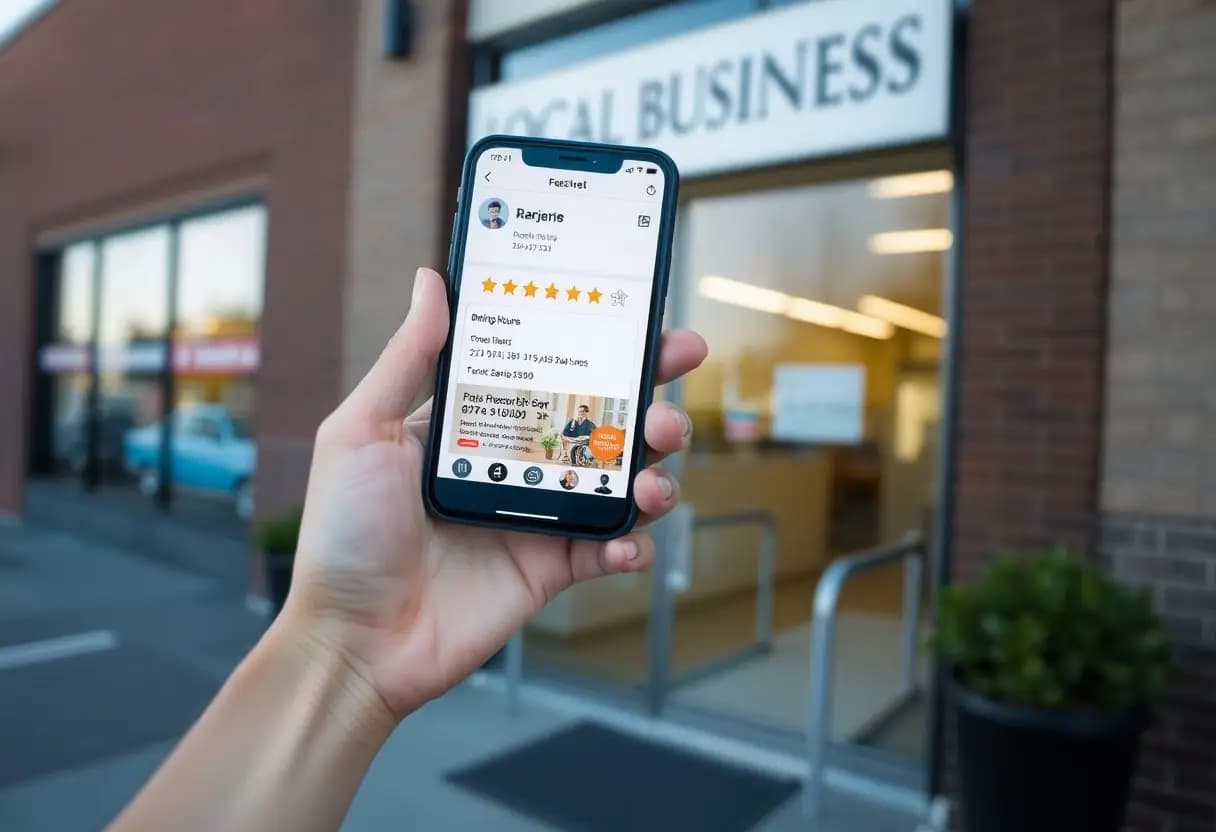
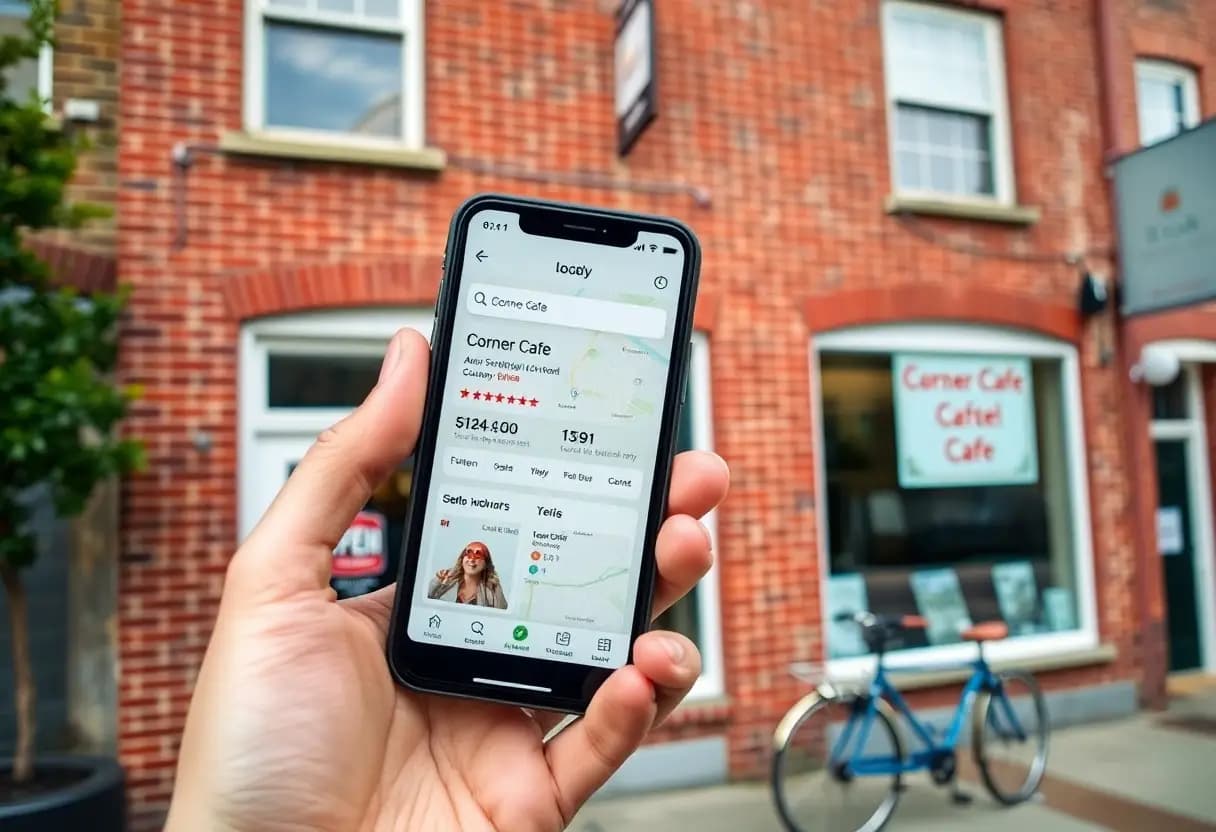
Just focus on building trust-not tricks-because you risk penalties and lost visibility, while consistent listings, honest reviews and local engagement deliver sustained rankings and loyal customers.
The trust-first mindset for local SEO
Adopt a trust-first mindset that makes you prioritize consistent signals-reviews, accurate listings, and helpful local content-so users and search engines increasingly favor your business.
Why trust beats tricks: user intent and algorithm alignment
When you design content and signals around genuine user intent, engagement and dwell time rise, aligning with algorithms and outperforming manipulative shortcuts.
Long-term ROI of building reputation vs chasing short-term loopholes
While you can chase loopholes, building reputation compounds value: steady referrals, higher conversions, and far fewer penalties than short-term hacks.
Over time you convert trust into measurable ROI: repeat business, the ability to charge premium pricing, and sustained organic visibility that better weathers algorithm changes. Shortcuts may give temporary spikes but carry real risks-manual actions, reputation damage, and wasted ad spend-so invest in accurate citations, proactive review management, local content, and community engagement to truly scale.
Core trust signals that move the needle
Consistent trust signals-accurate NAP, verified listings, strong reviews, and a complete Google Business Profile-make search engines and local customers more likely to trust you.
NAP consistency, citations, and verified listings
Ensure your NAP consistency across directories, citations, and social profiles so search engines and customers always see the same address, phone, and name; conflicting or unverified listings erode trust and visibility.
Google Business Profile: completeness, categories, and local attributes
Verify and complete your Google Business Profile-choose precise categories, add local attributes, hours, photos, and services-since partial profiles limit visibility and credibility for you.
Optimize your GBP by filling every field: pick the most accurate primary category, add relevant secondary categories sparingly, define service areas, upload recent photos, set booking links, and use attributes that reflect real capabilities. If you tolerate duplicates, wrong categories, or stale hours, Google and users will distrust you; active verification and timely review responses consistently boost your local ranking and trust.
Social proof and review strategy
Trust the power of social proof to convert searches into visits; you should prioritize verified reviews, consistent NAP data, and visible ratings across platforms to build long-term trust and improve local visibility.
Generating authentic reviews and managing negative feedback
Solicit genuine feedback by asking satisfied customers directly and making review links obvious; when negative feedback appears, respond promptly, investigate offline, and turn issues into improvement opportunities.
Responding to reviews and amplifying testimonials
Address each review professionally, thank supporters, and defuse complaints publicly while taking conversations private to resolve details.
Amplify success by repurposing top testimonials on your site and social channels, obtaining permission, and tagging keywords; you should use personalized responses, track response time, and monitor sentiment to increase conversions and local authority.
On-site trust and local relevance
Within your site, on-site signals must prove local relevance and reliability so visitors convert: highlight local signals, maintain consistent NAP, and fix any inaccurate contact info that undermines trust.
Localized content, E-A-T, and authoritative local pages
Localized pages show you know the neighborhood; build pages that surface community details, demonstrate E-A-T, and become authoritative local pages that both users and search engines trust.
Structured data, contact information, and trust-focused UX
Implement structured data, display consistent contact details prominently, and design a fast, accessible UX so visitors quickly verify and engage with your business.
When you apply LocalBusiness schema and mark up addresses, phone numbers, opening hours and service areas, search engines and voice assistants can present accurate answers; pair this with click-to-call numbers, clear maps, and consistent NAP across directories to prevent lost customers from outdated listings. Also prioritize mobile speed and accessible forms so users trust and act quickly.
Local links, partnerships, and community presence
Local partnerships signal trust to both customers and search engines; you should invest in community sponsorships, chamber memberships, and cross-promotions that produce relevant referral traffic and citations rather than spammy volume.
Earning local links through sponsorships, events, and outreach
Through sponsoring events, hosting workshops, and doing targeted outreach you create natural citations; you should aim for quality placements on local news sites, schools, and nonprofits that drive real engagement and brand recognition.
Avoiding link schemes; prioritizing relevance and authority
Avoid buying bulk links or participating in link farms; you risk manual penalties and lost rankings. Instead, focus on relevant partnerships and authoritative local sources that consistently refer customers to your business.
When evaluating opportunities, prioritize topical fit, editorial context, and organic referral metrics over raw link counts; vet sites for local relevance, audience overlap, and transparent contact details. Steer clear of private blog networks, paid link schemes, and unnatural anchor patterns that invite penalties. Build genuine relationships-local press, sponsorships, testimonials-and measure by referral traffic, leads, and sustained authority rather than short-term ranking spikes.
Measuring trust and sustaining gains
When measuring trust you should track outcomes that persist over time, not vanity metrics; focus on referral traffic, conversion rates, review trends, and local search rankings to sustain gains.
Metrics that indicate trust: conversions, engagement, review sentiment
Metrics such as conversion rates, session duration, click-to-call, and review sentiment show how users respond to your presence; you should prioritize conversions and sentiment shifts over raw traffic spikes.
Reputation monitoring, audits, and iterative improvement
Monitor reviews, listings, and competitors regularly so you catch declines fast; you should set alerts, schedule audits, and act on negative signals immediately to prevent lasting damage.
Audits should combine manual checks, automated scans, and sentiment analysis so you spot patterns; you must track changes, test fixes, and keep a public response log so positive momentum compounds and problems don’t recur.
Conclusion
Taking this into account, you build lasting local visibility by prioritizing genuine reviews, accurate listings, and helpful content; trust, not shortcuts, leads customers to choose your business and sustains growth.