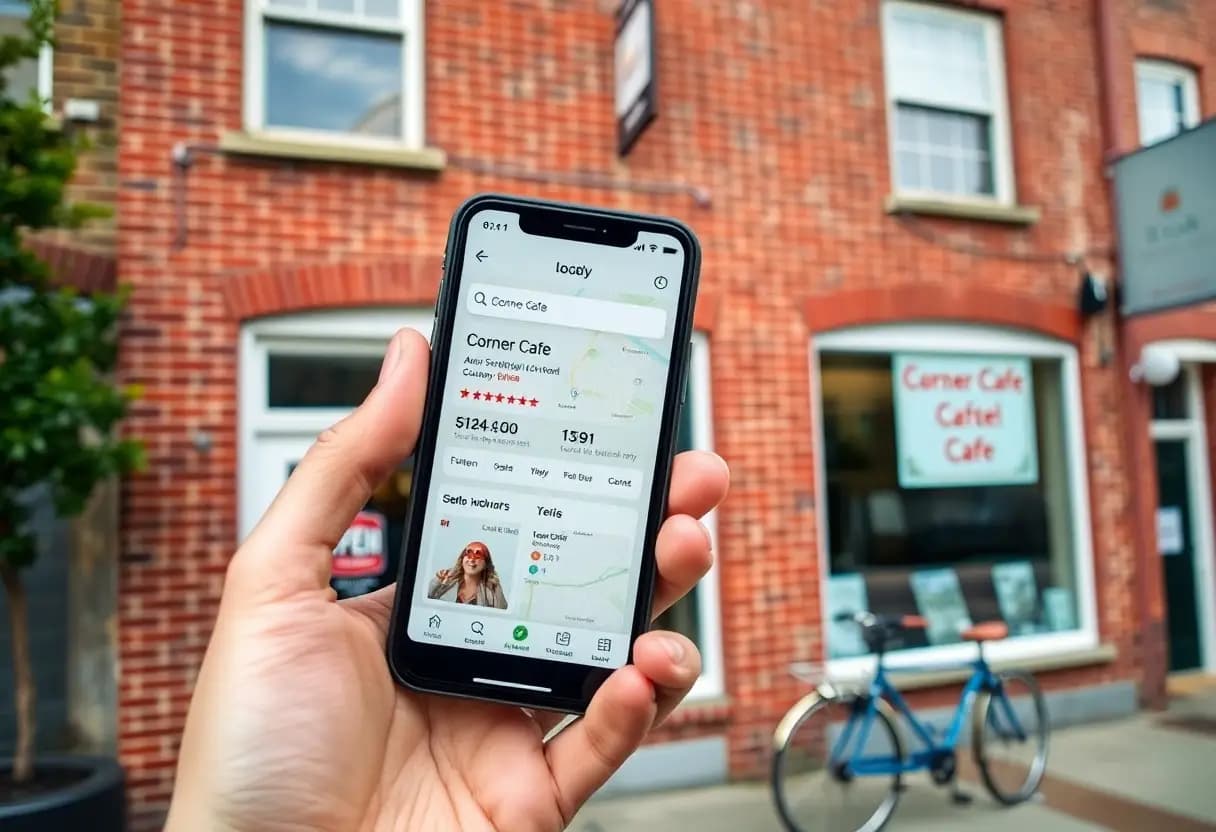

Just prioritize Local SEO so you gain sustained visibility, reliable long-term ROI, and lower customer acquisition costs, while avoiding the danger of losing local visibility to competitors that paid campaigns can’t permanently fix.
What Is Local SEO?
Local SEO helps you appear in searches by nearby customers, prioritizing proximity, relevance, and prominence. You optimize for maps, reviews, and local intent to drive foot traffic and calls. Google Business Profile and consistent citations boost your local visibility.
Core elements: Google Business Profile, citations, local keywords
Start by optimizing your Google Business Profile, keeping NAP consistent across citations, and targeting local keywords in titles and content. You encourage reviews, upload local photos, and monitor listings to protect rankings and customer trust.
How local differs from broad/national SEO
Unlike national SEO, local SEO makes you compete on proximity and intent, relying on map pack placement, reviews, and citations rather than broad link volume. You optimize for neighborhood queries and conversion actions like calls and visits.
Specifically, you’ll see higher conversion potential from the map pack, so operational accuracy matters: accurate NAP, local schema, and quick review responses lift visibility. Conversely, inconsistent listings or fake/ignored reviews can rapidly damage rankings, so you must monitor citations, earn local links, and manage reputation continuously.
Why Local SEO Delivers Superior Long-Term ROI
Ultimately, local SEO compounds, giving you sustained growth, rising visibility, and falling customer acquisition costs as rankings, citations, and reviews accumulate.
Higher conversion intent and measurable outcomes
Because searchers near you are actively seeking services, you see higher conversion intent, making it easier for you to track sales, calls, and foot traffic with clear, measurable metrics.
Compounding visibility and reduced acquisition cost over time
Over time, improved rankings, citations, and positive reviews magnify your reach, lowering acquisition costs while boosting the lifetime value of customers you attract.
Additionally, your local SEO builds durable assets-optimized Google Business Profile, backlinks, and reviews-that keep delivering organic traffic, producing a compounding effect that lowers your dependence on paid channels and steadily reduces cost per acquisition as momentum grows.
Building Trust and Authority in Your Community
Establishing trust locally comes from consistent visibility, helpful content, and community engagement; when you prioritize long-term relationships over quick wins you build enduring authority that keeps referrals and search rankings steady.
Reviews, reputation management, and local links
Monitor and respond to reviews promptly, manage reputation proactively, and earn local links from community partners; when you handle negative feedback well, you convert risk into stronger trust.
On-site trust signals and localized content
Optimize your site with clear NAP, SSL, schema markup, and localized pages so visitors see trusted signals that increase conversions and local ranking when you serve relevant content.
Include explicit NAP consistency, local schema, customer testimonials, maps, and fast mobile design so you reduce friction and signal relevance; if details mismatch or load slowly you lose trust, but when aligned you earn higher visibility and customer conversions.
Practical Implementation Roadmap
Begin by mapping quick wins and long-term tasks so you can allocate resources where they matter most; prioritize your Google Business Profile, on-page location signals, and citation consistency while scheduling ongoing content and outreach.
Technical and on-page necessarys for local rankings
Optimize site speed, mobile UX, schema for localBusiness, and clear NAP markup so you give search engines reliable signals; fix crawl errors and canonical issues and ensure title/meta include location terms you target.
Content, citations, and local outreach tactics
Develop locally focused pages, service-area content, and FAQ-rich posts that help you answer nearby search intent; build consistent citations, collect reviews, and pursue hyperlocal backlinks to multiply visibility and trust.
Balance depth and locality by using keyword research, competitor citation audits, and outreach to local blogs and organizations; monitor review trends and citation accuracy weekly so you can quickly correct errors that erode rankings and reputation.
Scaling and Maintenance for Sustained Growth
Scale your local SEO operations by standardizing processes, centralizing listings, and building a maintenance cadence that keeps gains compounding over time; this protects your long-term ROI and prevents small issues from eroding traffic.
Multi-location strategies and processes
Implement a repeatable playbook for each location: enforce consistent NAP, localized landing pages, templated citations, staff training, and a central dashboard so you avoid duplicate listings and maintain brand fidelity.
Ongoing monitoring, updates, and performance optimization
Automate alerts for listing changes, reviews, and rank shifts, and schedule regular audits so you catch issues fast; prioritize accurate citations and active review management to sustain visibility.
Continuously run weekly and monthly checks using tools and manual audits: you should verify business hours, update schema, reconcile citations, A/B test Google Posts, and respond to negative feedback within 24-48 hours; by tracking conversions and LTV you focus on outcomes, and by setting alerts you limit damage from listing changes or reputation issues.
Common Pitfalls and Risk Mitigation
Often you face listing errors, spam tactics, and algorithm penalties that erode trust and rankings; proactively auditing listings and sticking to white‑hat practices prevents long-term damage to visibility and leads.
Listing inconsistencies, spammy shortcuts, and penalties
Inaccurate names, addresses, or hours confuse search engines and customers, lowering visibility; you should fix them centrally and sync directories to avoid lost leads and degraded rankings.
Recovery steps and best-practice safeguards
When you face penalties or spam flags, prioritize a transparent cleanup: remove fake listings, submit appeals, and document every change so timely action limits reputation harm.
Begin with a complete audit of all profiles, identify duplicates, and enforce a single, consistent NAP. You should claim and verify core listings, gather screenshots as documented evidence, file formal appeals where required, and publish corrections. Avoid spammy shortcuts; instead implement automated syncing and ongoing monitoring to prevent regressions and rebuild trust systematically.
Conclusion
With this in mind, investing in Local SEO gives you sustained visibility, higher-quality traffic, measurable ROI, and stronger community trust, making it the smartest long-term marketing choice for steady growth and competitive advantage.