Most customers research your business online before reaching out, and what they find can make or break their decision. Positive reviews build trust quickly, while missing contact details or outdated information signal neglect. You must ensure your hours, location, and services are clear, accurate, and easy to find.
Key Takeaways:
- Customers often check online reviews and ratings to gauge trustworthiness and service quality before reaching out to a local business.
- Clear contact information, business hours, and a functional website influence whether potential customers decide to get in touch.
- Many people look for photos of the business, its products, or services to get a visual sense of what to expect in person.
The Digital Shop Front
Your website is the first thing customers see before deciding to call or walk in. A clean, professional design builds instant trust, while outdated layouts suggest neglect. People judge credibility within seconds-make sure yours reflects the quality of your service from the very first click.
Loading Speed and First Impressions
Speed determines whether a visitor stays or leaves. If your site takes more than three seconds to load, most potential customers click away. A fast-loading page creates a positive first impression and shows respect for their time-something they’ll expect in person, too.
Mobile Layout Efficiency
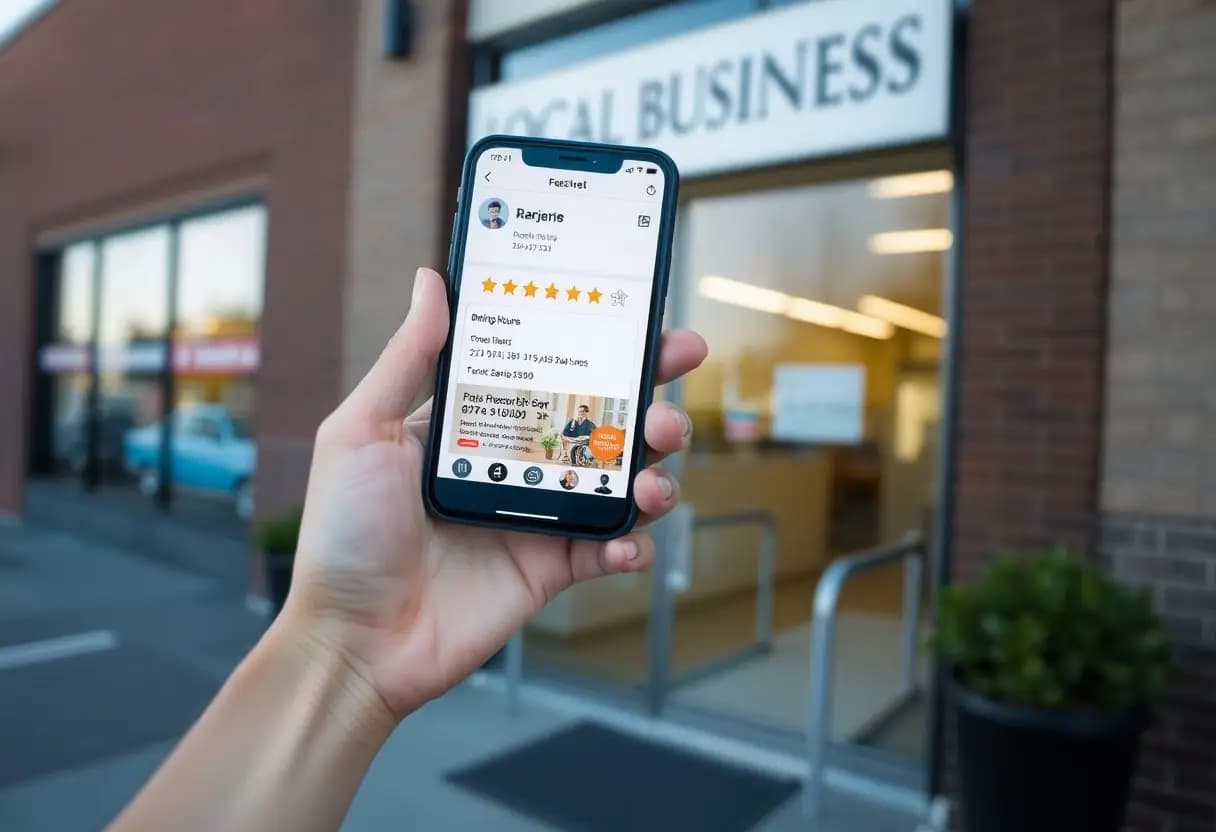
Most local searches happen on phones, so your site must work flawlessly on small screens. Buttons should be easy to tap, text readable without zooming, and menus simple to navigate. A smooth mobile experience signals professionalism and increases the chance they’ll contact you.
When someone pulls up your site on their phone while walking down the street or sitting in a car, every design choice matters. Cluttered menus, tiny links, or text that forces horizontal scrolling frustrate users and often lead to immediate exits. A responsive layout that adapts naturally to different screen sizes doesn’t just improve usability-it quietly reassures visitors that your business pays attention to detail, making them more likely to take the next step and reach out.
The Verdict of the Crowd
People trust other customers more than advertising. When researching a local business, you look at what real people say online. High ratings and consistent feedback build confidence, while silence or extreme swings raise red flags. Your decision often hinges on this collective voice, making public perception a powerful gatekeeper before you ever pick up the phone.
Review Volume and Sentiment
Quantity matters, but so does tone. You’re more likely to trust a business with many reviews showing genuine satisfaction over time. A handful of glowing comments feel suspicious, while dozens of balanced, detailed experiences signal authenticity. Watch for patterns-repeated praise for service or complaints about delays speaks louder than any single star rating.
Response to Criticism
How a business answers negative feedback reveals its character. You notice when owners reply calmly and offer solutions. Ignoring complaints or reacting defensively damages trust, while thoughtful replies show accountability. Your confidence grows when you see a business willing to make things right, even publicly.
Responding to criticism isn’t about damage control-it’s a window into how seriously a business takes its customers. When you see replies that acknowledge mistakes, apologize sincerely, and take action, it signals respect. A single well-handled negative review can outweigh five perfect ones, because it proves the business listens and adapts when things go wrong.
The Geography of Trust
Location shapes perception before you even meet a customer. When people search for services near them, they instinctively favor businesses that appear rooted in their community. Proximity builds trust, and visibility on local maps signals legitimacy. Your presence in their neighborhood isn’t just convenient-it’s a promise of accountability.
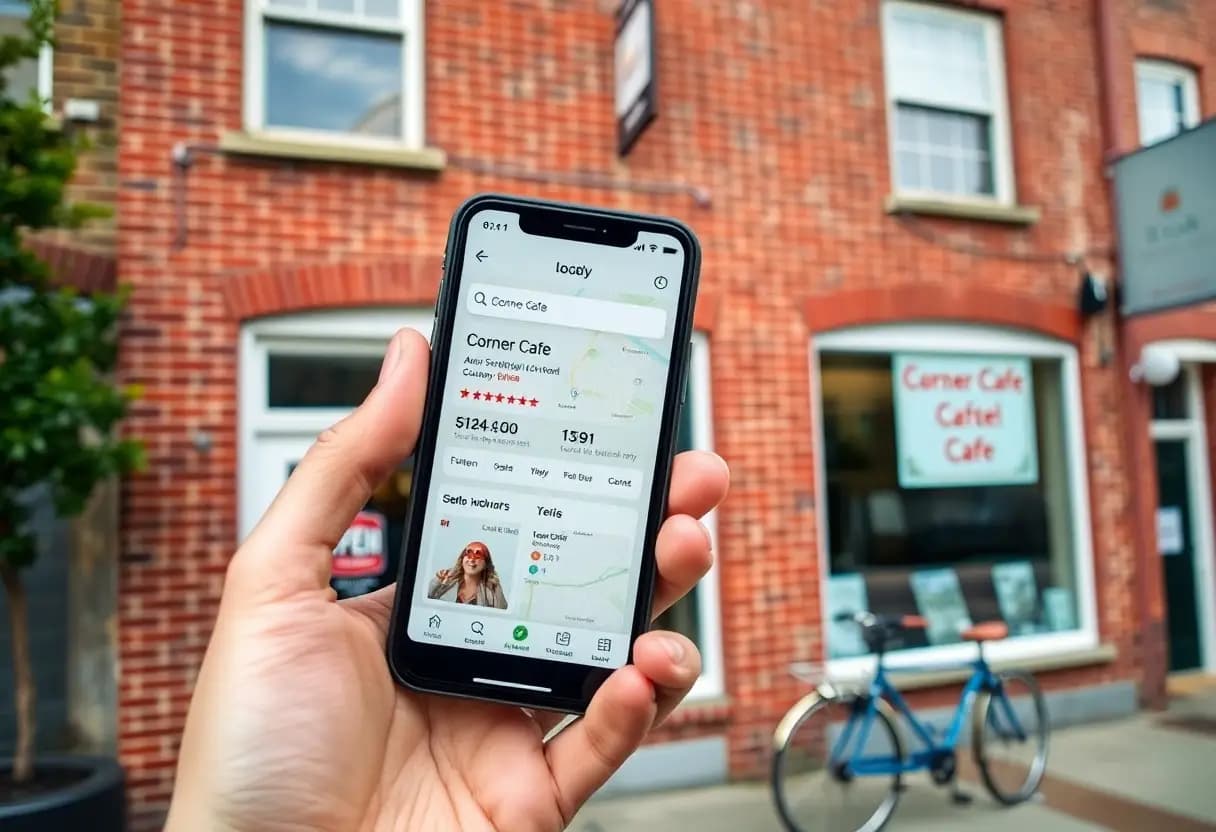
Accuracy of Map Listings
Incorrect hours or a wrong address frustrate potential customers instantly. When your map listing reflects real-time details, you reduce friction and build credibility. Searchers expect precision-delivering it shows respect for their time and increases the likelihood they’ll choose you over a competitor with outdated information.
Local Roots and Identity
Your business name, logo, and story should reflect the community you serve. Customers feel more connected when they see familiar landmarks, local events, or neighborhood language used authentically. Shared identity fosters loyalty far beyond a simple transaction.
People don’t just buy from businesses-they support neighbors who understand their needs. When you sponsor a youth team, use local imagery in your branding, or reference a well-known street corner in your messaging, you’re not just advertising. You’re saying, “We belong here.” That sense of belonging is one of the strongest trust signals you can send, often outweighing price or convenience in decision-making.
The Economics of the Deal
You weigh cost against convenience before reaching out to a local business. Transparent pricing often tips the scale, especially when time and budget are limited. You’re not just looking for the lowest price-you want assurance that what you pay matches what you receive.
Pricing Transparency
You expect to see clear, upfront costs without hidden fees. Businesses that list prices online gain immediate trust. When you don’t have to call just to get a quote, you’re more likely to move forward quickly and view the company as respectful of your time.
Articulation of Value
You need to understand why one option stands out, even at a higher price. A clear explanation of benefits-like faster service, better materials, or local expertise-helps justify cost differences and builds confidence in your decision.
Value isn’t just about what’s included-it’s about how it’s communicated. You respond to businesses that explain their process, highlight unique strengths, and show real examples of past work. When value is spelled out clearly, hesitation fades, and you’re more likely to take the next step without second-guessing.
The Ease of Connection
Visibility of Contact Data
You expect to find a business’s phone number, email, or address without hunting through multiple pages. When contact details are clearly displayed-especially on mobile-your trust increases. Hidden or missing information feels like a red flag, making you question reliability. Businesses that make their contact data easy to locate reduce friction and encourage faster engagement.
Messaging and Chat Options
You often prefer typing a quick message over making a call, especially during busy hours. Access to live chat or direct messaging options gives you control and speed. Real-time responses build confidence and show the business values your time and convenience.
Instant messaging isn’t just about convenience-it reflects responsiveness. When you reach out via chat and get a prompt, human reply, you’re more likely to proceed with a purchase or appointment. Automated bots are acceptable only when they lead to actual support quickly. Businesses that offer open, functional chat channels see higher conversion rates because they remove barriers to communication and meet modern expectations for speed and accessibility.
The Proof of the Eye
What you see shapes trust before a single word is spoken. Customers scan your online presence looking for visual cues that signal professionalism and reliability. Clear, well-lit images of your team, workspace, and completed work speak louder than paragraphs of description. If something looks off, they’ll move on-no second chances.
Authenticity of Team Photos
Your team’s photo is often the first human connection a customer makes. Real, unposed images of actual staff build instant credibility, while stock photos raise red flags. People want to know who they’re hiring-showing real faces signals honesty and openness, making it easier for potential clients to say yes.
Quality of Past Projects
Photos of your completed work tell the story of your skill and attention to detail. High-resolution, accurate images of real projects demonstrate consistency and craftsmanship. Blurry, staged, or misleading visuals erode trust fast-customers can spot shortcuts, and they won’t risk their investment on false promises.
When reviewing your past projects, clients aren’t just looking for pretty pictures-they’re assessing patterns. Did you deliver clean finishes, consistent timelines, and thoughtful solutions? A single standout project might catch attention, but a portfolio showing reliable quality across multiple jobs proves you’re the real deal. They’re watching for signs you’ll treat their project with the same care.
To wrap up
With this in mind, you assess a business’s reputation, response time, and clarity of services before reaching out. You look for proof of reliability-reviews, visible pricing, and professional communication. You want confidence that your time and money are well spent, so you act only when trust is established through consistent, transparent signals.