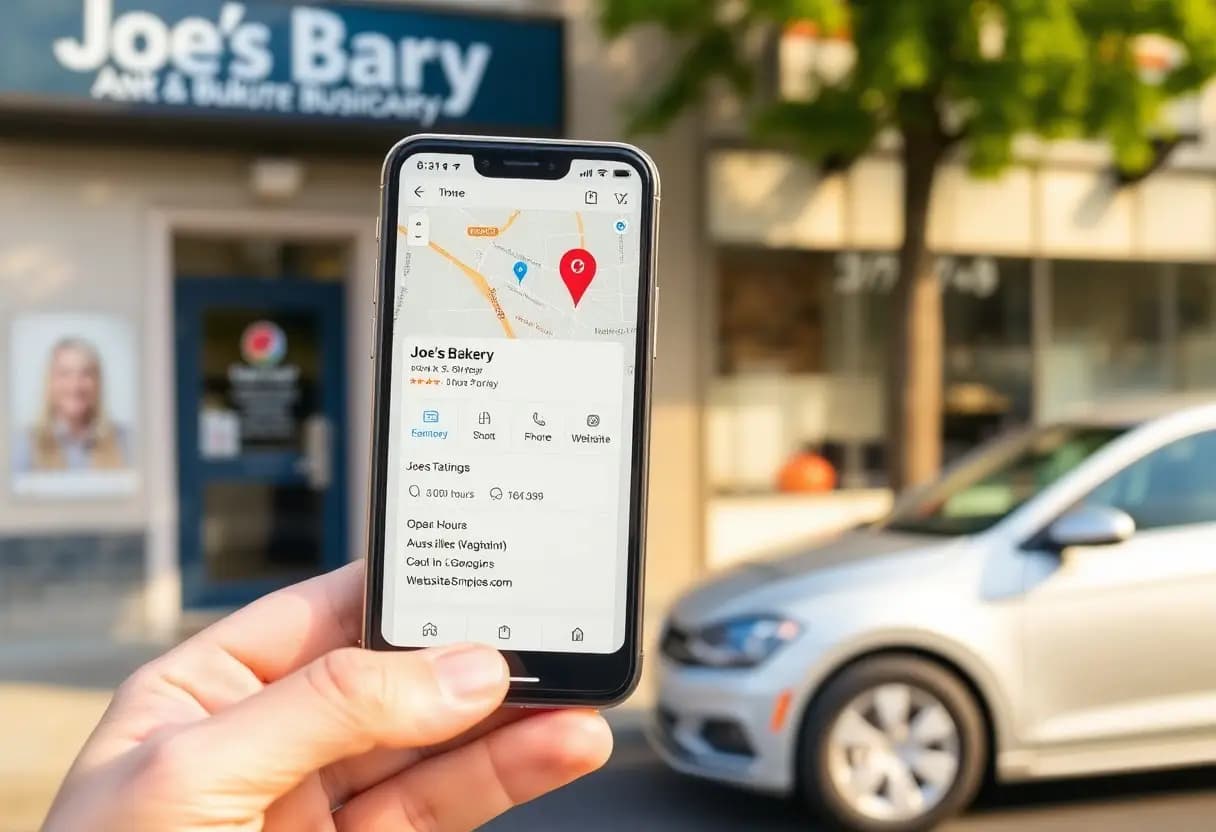
You must optimize your Google Business Profile, citations, and on-site signals so relevance and proximity match searcher intent; avoid fake reviews or spam that harm ranking, and maintain accurate, detailed listings to improve local visibility.
Core Local Ranking Factors
Understanding local ranking means you balance three pillars: Relevance, Proximity, and Prominence. Perceiving their interplay helps you focus signals that move your listing.
- Relevance – keywords, categories, services
- Proximity – location signals, geo-distance
- Prominence – authority, citations, offline reputation
Relevance: keywords, categories, service match
Fine-tune on-page copy, GBP fields, and service descriptions so your keywords and categories clearly map to queries; you should match intent to appear in the right local results.
Proximity: location signals and geo-distance
Measure how close your business is to query locations: device signals, query modifiers, and your mapped centroid drive how geo-distance biases search results toward or away from your listing.
Digging deeper, Google weights proximity using multiple signals: device GPS, IP-derived location, query terms, and the physical business centroid. If you operate a service-area business, set service regions but note that a visible storefront near target neighborhoods still beats distant listings. Avoid falsifying addresses or creating fake locations-those actions risk suspension. You can legitimately improve proximity by opening additional locations, optimizing geo-targeted landing pages, and adding geo-tagged content and structured location data.
Prominence: authority, citations, and offline reputation
Build local authority via consistent citations, high-quality backlinks, active reviews, and demonstrated offline reputation so Google’s algorithms surface your business more often in packs.
Expand prominence by earning authentic signals: solicit and respond to genuine reviews, maintain strict NAP consistency across directories, secure mentions in local press, and acquire authoritative backlinks. Use structured data to highlight services and accolades. Steer clear of manipulative shortcuts-especially buying links or fake reviews-which can damage both visibility and listing status.

Google Business Profile Signals
Within local ranking, your Google Business Profile signals influence proximity, relevance, and prominence; you should optimize the listing with accurate categories, up-to-date hours, and consistent NAP to improve visibility.
Profile completeness, attributes, and categories
Complete profiles with detailed attributes and precise categories help Google match you to searches; you must select primary and secondary categories, fill attributes like accessibility or payment options, and keep descriptions concise to boost relevance signals.
Photos, posts, services, and verification
High-quality photos, regular posts, detailed services lists, and verified ownership signal activity and trust; you should upload fresh images, publish offers, outline services with pricing where possible, and complete verification to strengthen prominence and click-through.
Additionally, you should prioritize a mix of exterior, interior, product, and team photos and regularly update images to reflect current offerings; post weekly using offer or event formats with clear CTAs, list services with concise descriptions and pricing, and verify your listing (postcard, phone, or email). Avoid duplicate listings and inaccurate data to prevent reduced visibility or suspension-avoid duplicate listings and keep information consistent across platforms.
On‑Site & Structured Data Signals
Optimize on-site elements and structured data so Google maps relevance to queries; you should use structured data, clear title tags, and fast technical SEO to signal local intent and improve crawlability.
Local content, city pages, and technical SEO
Structure city pages and local content to target neighborhoods; you must deliver unique landing copy, correct headings, canonical tags, XML sitemaps, and mobile-first templates to avoid indexing and duplication issues.
Schema markup, NAP consistency, and hreflang/geotags
Maintain consistent NAP across site and citations, implement schema markup (JSON-LD) for LocalBusiness, and apply hreflang/geotags where needed to disambiguate locations and languages.
Additionally, you should use LocalBusiness (and the proper subtype) JSON-LD with name, full address (street, city, postalCode), telephone, geo coordinates, and openingHours, and ensure the formatted NAP matches your Google Business Profile exactly; avoid abbreviations mismatches like “St.” vs “Street” because inconsistent NAPs and malformed schema confuse crawlers and citation networks-validate with Google’s Rich Results Test and keep hreflang and geotag patterns consistent for multi-region or multi-language setups.
Reviews, Ratings & User Behavior
Reviews and behavior show Google how users react to your business; higher ratings and active engagement boost local relevance, while negative reviews or apathy can reduce visibility.
Review volume, recency, sentiment, and responses
Volume, recency, sentiment, and how you respond influence ranking; frequent positive reviews and timely, personalized replies signal trust and increase your local exposure.
Behavioral signals: CTR, calls, directions, and engagement
Clicks, calls, directions, and on-site engagement are immediate signals; when users interact with you, higher CTR and action rates tell Google your listing is relevant and often improve rank.
Optimize your listing by improving snippet copy, adding photos, keeping hours accurate, and prompting specifically phrased review requests; these moves raise CTR and encourage direction requests and calls. Monitor Maps insights so you can spot falling engagement – misleading info or slow responses can quickly reduce visibility.
Links, Citations & Local Directories
Effective local linking and directory presence amplify your visibility by signaling relevance and trust to Google; prioritize quality over quantity and avoid spammy networks that can trigger penalties.
High-quality local links and partnerships
Forge relationships with respected local sites and organizations to boost your domain’s authority, ensuring links are contextually relevant and not from low-quality sources that could harm rankings.
Consistent citations, data aggregators, and directories
Maintain consistent NAP across directories and data aggregators so Google reliably associates your business; inconsistent listings can fragment authority and confuse potential customers.
Audit listings regularly with citation tools to find and remove duplicate or inconsistent entries, then merge variations and synchronize your NAP, categories, and hours across major platforms. Submit verified data to primary aggregators (Foursquare, Neustar, Infogroup) and add schema markup so Google trusts your signals; this sustained consistency boosts visibility in the local pack and reduces user friction.
Measurement, Testing & Algorithm Changes
Measure local tests and algorithm effects with consistent analytics, local rank tracking, and conversion data; you should prioritize statistical significance and clear test windows to avoid misattributing normal volatility.
Tracking rankings, traffic, conversions, and attribution
Track daily rank changes, traffic, and conversions using both broad analytics and local tools; you must align UTM-tagged campaigns, GSC data, and phone-call tracking so attribution accurately links visibility to revenue.
Detecting and responding to algorithm updates and penalties
Detect ranking shifts quickly by monitoring SERP volatility, community reports, and Google announcements; when you spot a drop, assess technical, content, and citation changes to determine whether a penalty or algorithm shift is the primary cause.
When you suspect an update or penalty, establish a timeline of ranking and traffic changes and correlate with Google’s announced updates and industry trackers. Inspect Google Search Console for manual action notices, indexing drops, and crawl errors, then audit backlinks for dangerous patterns. Fix technical issues, remove or disavow spammy links, restore consistent NAP citations, and only submit a reconsideration after thorough remediation; monitor recovery with granular analytics and local rank tools to validate improvements.
To wrap up
Now you can influence local search relevance by aligning on-page content and keywords with user intent, keeping accurate NAP and citations, earning positive reviews and local links, optimizing Google Business Profile, and encouraging consistent engagement signals like clicks and calls.