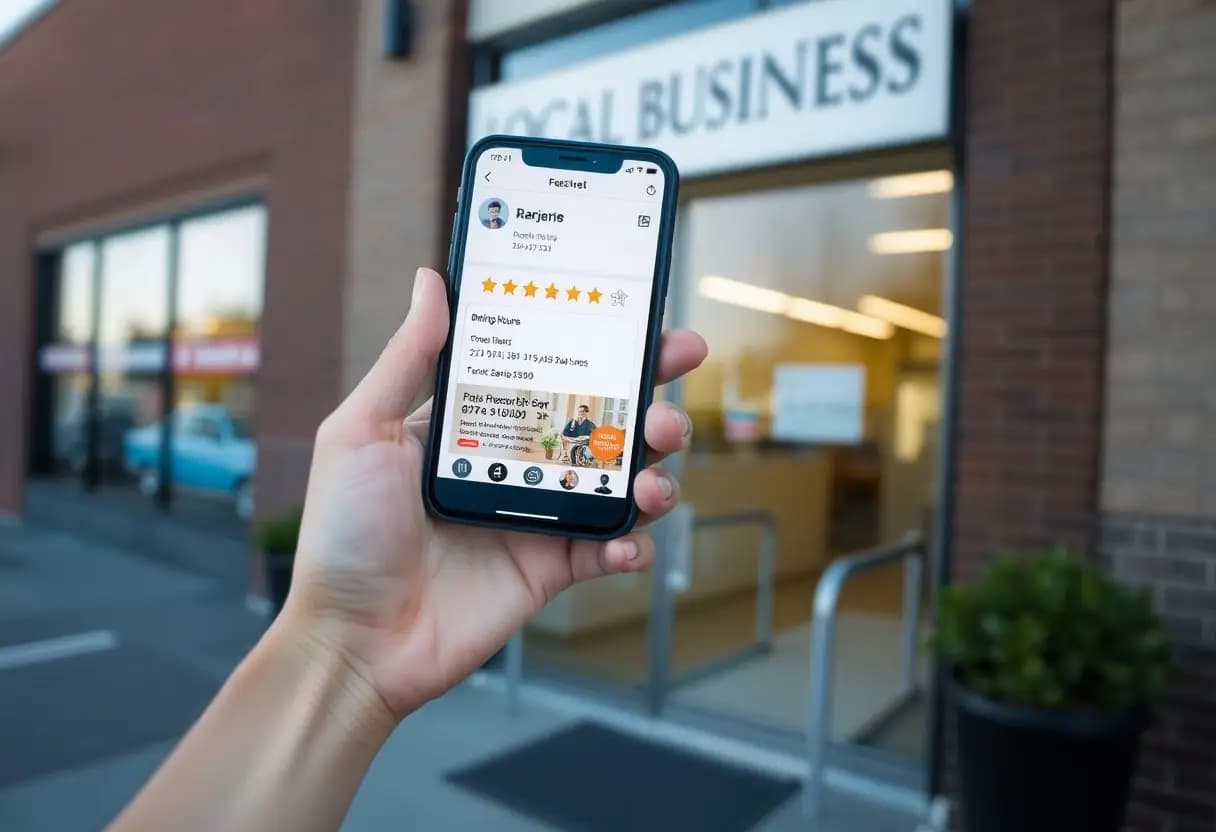

Over 80% of consumers search locally for services near them, making a targeted local content plan one of the most effective ways to drive consistent traffic to your business. You don’t need national reach-just hyper-relevant content that answers local questions, solves nearby problems, and ranks in local search results. This guide shows you how to build it step by step.
Key Takeaways:
- Focus on location-specific topics that reflect local interests, events, and search habits to connect with nearby audiences.
- Create content around locally relevant keywords and business listings to improve visibility in regional search results.
- Build relationships with community organizations and local media to expand reach and establish authentic local presence.
Identifying Your Local Audience and Intent
To attract nearby customers, you must first understand who they are and what they’re searching for. Local intent drives most neighborhood-based queries, so aligning your content with real-time needs increases visibility. You’re not just targeting locations-you’re answering questions your community is already asking.
Defining Geo-Specific Target Personas
You shape stronger campaigns when you build personas rooted in actual neighborhoods. Demographics like income, language, and lifestyle vary even within cities, so a persona for downtown residents differs from one for suburban families. Pinpoint these nuances to craft messages that feel personal and relevant.
Analyzing Local Search Intent and User Needs
Search behavior reveals what people want right now. Queries like “near me” or “open now” signal urgency, while others seek reviews or pricing. You gain an edge by matching content to these moments-answering fast, accurate questions builds trust and drives foot traffic.
When someone searches “best coffee shop open late in Austin,” they’re not browsing-they’re ready to act. These high-intent moments are golden opportunities for local businesses. Optimize for specific phrases tied to time, location, and service to appear exactly when and where users need you. Missing these signals means losing visibility to competitors who’ve mapped real user behavior.
How-to Conduct Local Keyword Research
Start by identifying the core services you offer and pair them with your city or neighborhood names. Use tools like Google Keyword Planner, Ubersuggest, or Answer the Public to uncover what local customers are searching for. Focus on terms with solid search volume and low competition to increase your chances of ranking. Targeting the right local phrases directly impacts your visibility in community-based searches.
Utilizing Location-Based Modifiers and Long-Tail Phrases
Think like a customer in your area when crafting keywords. Phrases like “best plumber in Austin” or “affordable oil change in downtown Seattle” include location-based modifiers that boost local relevance. Long-tail variations often have less competition and higher conversion potential because they reflect specific user intent. These targeted phrases help you stand out in crowded markets.
Discovering Competitor Content Gaps in Your Service Area
Explore the websites of top-ranking local competitors to see what they’re covering-and where they’re falling short. Look for topics they mention briefly or ignore completely. Filling these gaps with high-quality, localized content positions you as a more complete resource and gives you an edge in search rankings.
Spotting what your competitors miss starts with a thorough audit of their blog posts, service pages, and FAQs. Are they neglecting common customer questions like “same-day AC repair in Miami” or “pet-friendly car wash near me”? These omissions reveal opportunities for you to create content that answers real local needs. By addressing these uncovered queries, you attract traffic they’re not capturing-and earn trust faster.
Key Factors for Local Content Optimization
Success in local search depends on aligning your content with how nearby customers search. Focus on local keywords, location-specific phrases, and neighborhood references that reflect real community language. Include your city or region in titles, headers, and image alt text. Knowing your audience’s search habits sharpens your relevance.
Integrating Google Business Profile Signals into Content
Your Google Business Profile feeds live data into search results. Embed business hours, service areas, and customer reviews directly into your content where relevant. Update posts regularly to reflect seasonal offers or events. Knowing how these signals influence rankings helps you stay visible.
Leveraging Local Schema Markup and NAP Consistency
Schema markup helps search engines understand your business location, services, and contact details. Ensure your name, address, phone number (NAP) appear exactly the same across your site and directories. Knowing consistency builds trust with both users and search engines.
Search engines rely on structured data to verify your business identity. By adding local business schema-such as opening hours, service type, and geographic region-you make it easier for Google to display rich results like knowledge panels or local packs. Inconsistent NAP details confuse crawlers and hurt rankings, so audit your site and external listings monthly. Knowing the technical side works in your favor lets you focus on growth.
Tips for Creating Hyper-Local Content Pillars
Build local relevance by focusing on neighborhood-specific topics, seasonal happenings, and regional pain points.
- Center content around local landmarks and well-known streets
- Use city or town names in headlines and meta descriptions
- Interview small business owners for authentic community stories
Recognizing what resonates with residents helps you create content that ranks and converts.
Highlighting Community Events and Local News
Attend town festivals, school fundraisers, or city council meetings to source timely content. Covering these moments builds trust and positions you as a go-to local resource. Readers return when they know you report on what matters right now in their neighborhood. Stay consistent to maintain visibility.
Developing “Best Of” Guides and Local Resource Lists
Create practical roundups like “Best Coffee Shops in Westwood” or “Top 5 Plumbers in Glenview.” These lists attract high-intent searches and establish your site as a helpful local authority. Include photos, real reviews, and updated contact details. Recognizing what locals actually use makes your guide valuable.
Focus on usefulness by verifying each business listing and updating it quarterly. Feature a mix of well-known spots and hidden gems to appeal to both newcomers and long-term residents. Embed maps, link to official websites, and note seasonal hours where applicable. This kind of content earns backlinks and social shares because it solves real problems.
Distribution Strategies for Local Visibility
Every piece of content you create gains power when it reaches the right local audience. Focus on platforms and channels where your community spends time, ensuring your message appears in local searches and conversations. Consistent visibility in familiar spaces builds trust and drives repeat traffic from nearby customers actively seeking your services.
Building Local Backlinks and Neighborhood Citations
You strengthen your site’s local authority by earning backlinks from nearby businesses, chambers of commerce, and community blogs. Accurate citations on directories like Google Business, Yelp, and local news sites confirm your legitimacy. High-quality, localized backlinks signal relevance to search engines and improve rankings for neighborhood-specific searches.
Utilizing Social Media for Geo-Targeted Traffic
Your social content gains traction when it speaks directly to a local audience. Use geo-tags, local hashtags, and region-specific updates to appear in community feeds. Targeted posts increase engagement from nearby users who are more likely to visit your location or share your content within their neighborhood networks.
Social media platforms allow you to pinpoint exact geographic areas with tailored content and paid promotions. Share behind-the-scenes moments from your storefront, highlight local events, or run location-based offers that encourage check-ins and shares. When you consistently show up in local feeds, you become part of the community conversation. This direct connection drives not just clicks, but real foot traffic and customer loyalty from people who live and shop nearby.
Measuring Success and Adjusting Your Strategy
Consistent evaluation keeps your local content plan effective. You need to monitor performance data regularly to identify what’s working and where gaps exist. Adjusting your approach based on real results ensures continued growth in visibility and customer engagement over time.
Tracking Local Rankings and Map Pack Visibility
Rankings show how well your business appears for local searches. You should monitor keyword positions and Map Pack inclusion monthly. Appearing in the top three local map results dramatically increases click-through rates and foot traffic from nearby users.
Analyzing Conversion Rates from Local Organic Traffic
Conversion data reveals how well your content turns visitors into customers. You can assess this by reviewing form submissions, calls, or store visits from local users. A high bounce rate with low conversions signals a mismatch between content and user intent.
Look beyond surface metrics to understand behavior. See which local landing pages generate calls or contact form fills, then identify common elements-like clear CTAs or localized testimonials. Optimizing underperforming pages with these insights can double conversion rates over time, making your content work harder with minimal extra effort.
Conclusion
With these considerations, you build a local content plan that draws traffic by focusing on community-specific topics, optimizing for local search intent, and publishing consistently where your audience spends time. You earn visibility not through complexity, but by offering clear, relevant information that answers real local questions.