
Digital Marketing
How Google Interprets Geographic Signals
With Google’s geographic signals, you learn how location data shapes search rankings; accurate location info boosts visibility while misleading signals can…
4 min read
Insights
207 articles · page 14 of 18
With Google’s geographic signals, you learn how location data shapes search rankings; accurate location info boosts visibility while misleading signals can…
Many businesses risk losing visibility when you reuse content across locations; duplicate pages dilute authority and can trigger penalties, while unique…
Over 80% of local searches influence purchases, so you should optimize geo-intent to shield your share from competitors, avoid loss of local customers, and…
Overexpansion can dilute signals and confuse search engines; you risk keyword cannibalization, inconsistent citations, and thin local content. You must…
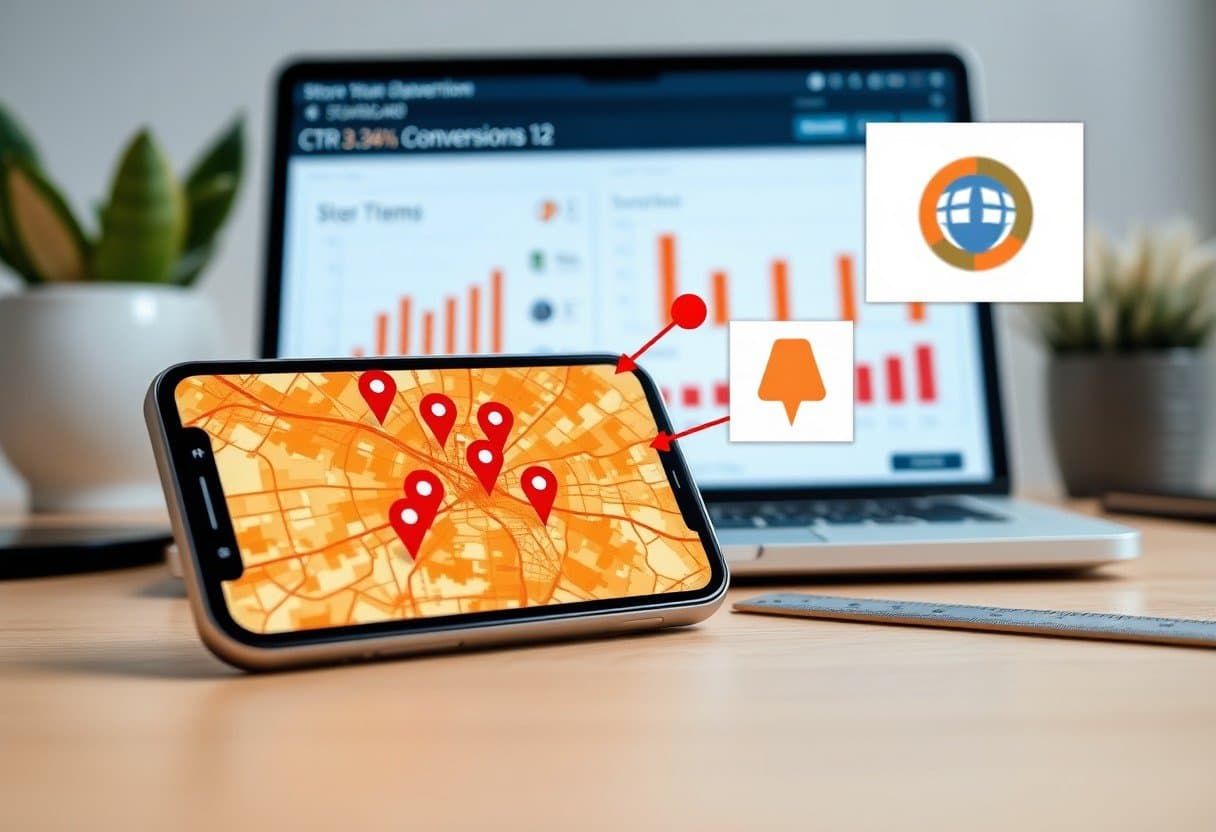
You leverage GEO optimization to amplify local visibility and trust; better local search rankings increase conversions, while misaligned targeting risks brand…

Search engines are evolving faster than ever before. For more than two decades, businesses have relied on Search Engine Optimization (SEO) to improve their…

Local expansion stalls when you neglect consistent NAP, localized content, and technical scalability, causing lost rankings and duplicate listings; you must…
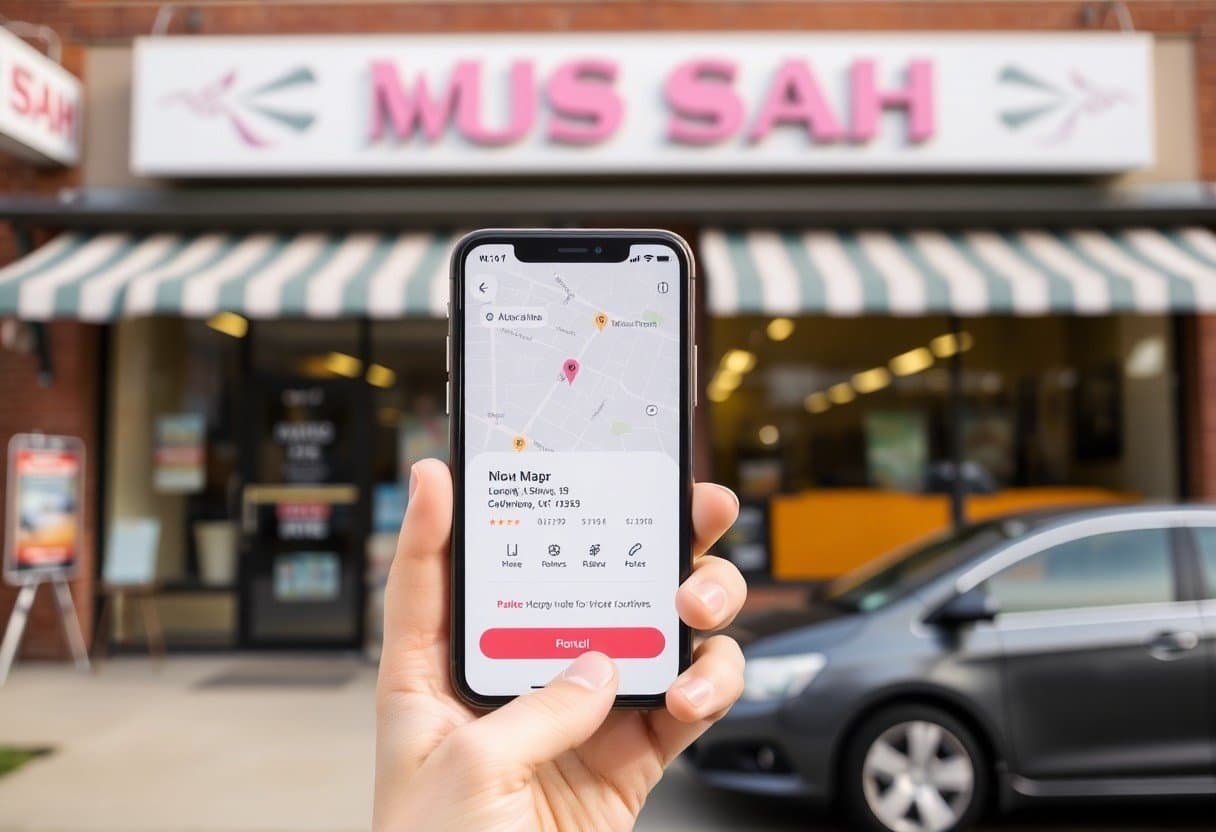
Local presence matters: when you publish accurate NAP, clear directions, and verified reviews, you establish authority and reduce the risk of mistrust…
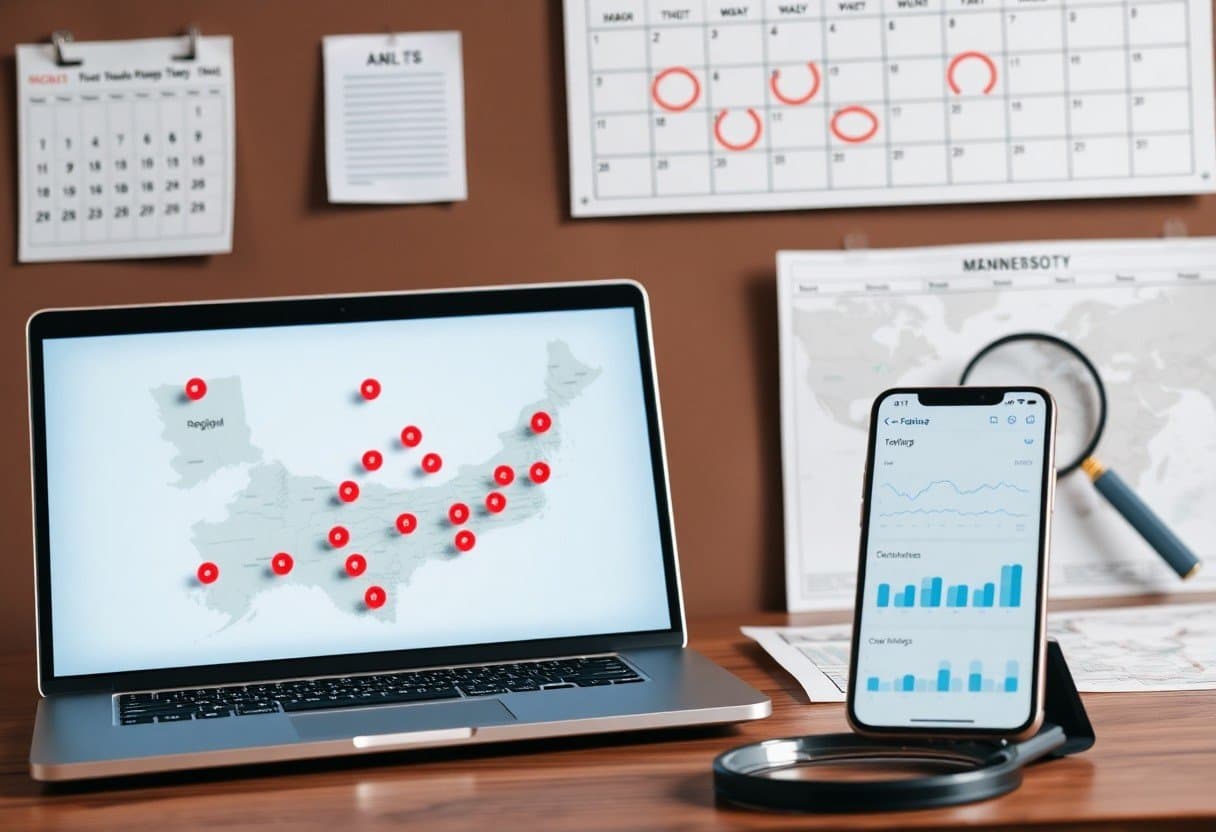
It’s necessary that you plan GEO optimization as a long-term strategy, since policy shifts and quick tweaks can trigger penalties while consistent, localized…

Business visibility depends on how you optimize your Google Business Profile; ensure accurate hours and contact details, add compelling images, and respond…
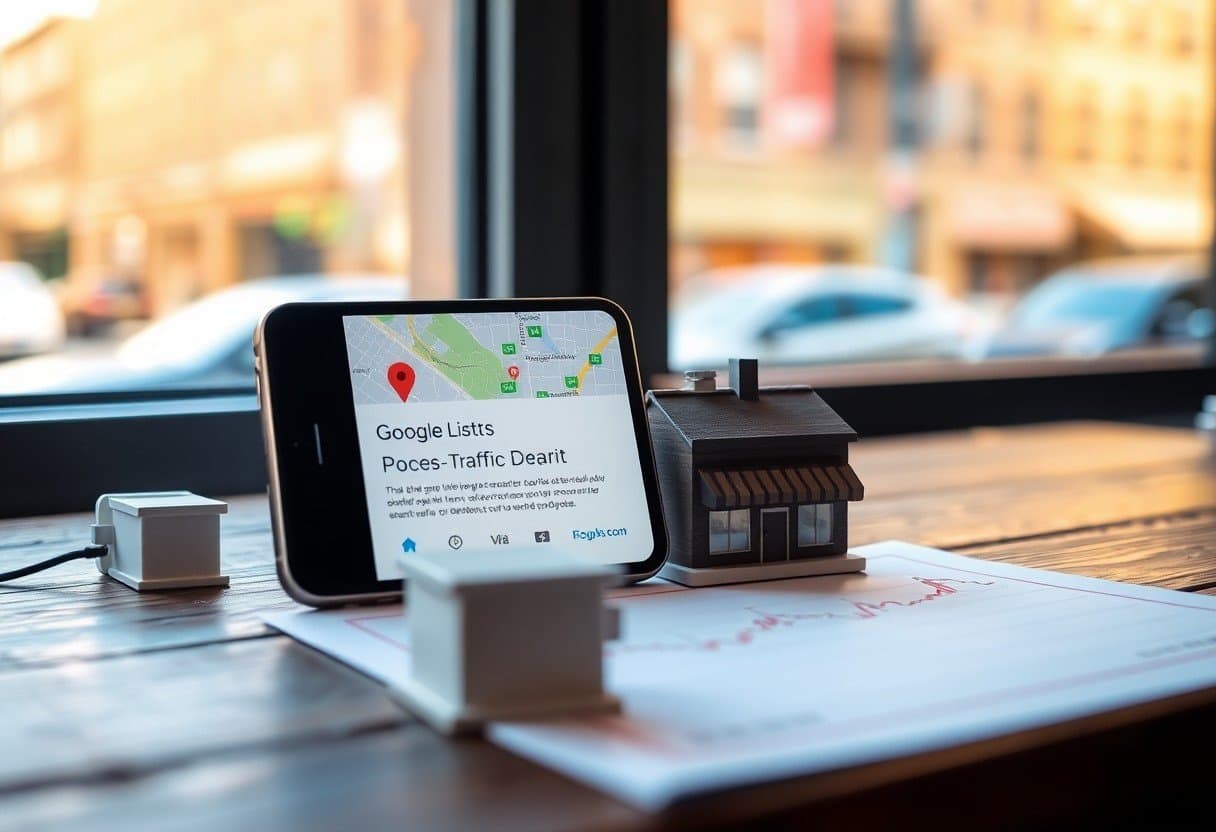
You must prioritize Google Maps because it drives immediate local visibility and foot traffic; a top map ranking can deliver higher-conversion customers…
Most of your profile’s ranking decline stems from outdated information, inconsistent signals, and reduced engagement; you must maintain regular updates and…
We’ll audit your Google Business Profile, website, and follow-up in 20 minutes and show you what to fix first.