Over time, a well-organized page structure has become the most powerful signal for both Google’s crawlers and user satisfaction. You guide visitors intuitively through your content while boosting indexing speed and ranking accuracy. Clear headings, logical flow, and semantic markup make your site more discoverable and trustworthy-a direct path to better traffic and conversions.
Key Takeaways:
- A clear page structure with proper headers helps Google understand and rank content more effectively by highlighting key topics and their hierarchy.
- Well-organized pages improve user experience, making it easier for visitors to scan, read, and find the information they need quickly.
- Descriptive headings and logical flow increase the chances of appearing in featured snippets and other rich search results.
The Architecture of Clarity
You shape how users and search engines interpret your content through clear page structure. A well-organized layout with logical headings, concise sections, and intuitive navigation guides visitors effortlessly to what they need. Google rewards this clarity with higher visibility, while customers stay longer and convert more often. Confusion costs both rankings and trust-precision builds both.
The Algorithmic Preference
Google’s systems favor pages that deliver clear, organized content. When your structure makes information easy to follow, algorithms reward you with higher visibility. You’re not just designing for users-you’re signaling relevance to automated crawlers that decide rankings. A logical flow with proper headings and concise sections increases the chance your page answers queries accurately, leading to stronger indexing and improved click-through rates.
The Psychology of Navigation
Your users don’t think like search engines-they think like humans. Clear navigation paths reduce cognitive load, making it easier for visitors to find what they need without frustration. When people land on your page, they’re already deciding whether to stay or leave. A well-structured layout aligns with natural decision-making patterns, guiding them smoothly from question to solution. You gain trust by removing confusion, not adding cleverness.
The Fluidity of Device Flow
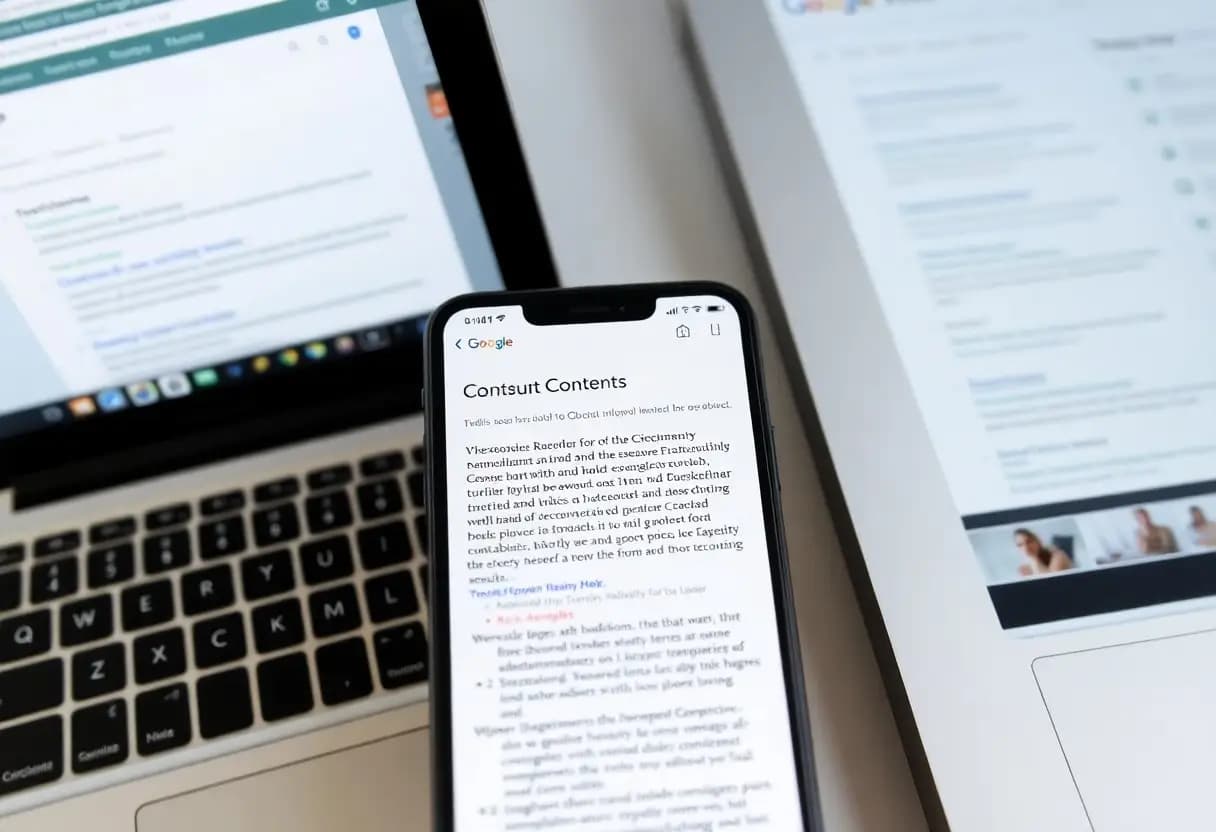
You move between devices constantly-phone, tablet, laptop-and your customers do too. Google tracks this flow to understand how users engage with your content across screens. A well-structured page adapts smoothly, keeping navigation clear and content accessible. Breakpoints in design or disjointed hierarchies confuse both users and crawlers, increasing bounce rates and hurting rankings. When your structure remains consistent, every transition feels natural, boosting satisfaction and SEO performance.
The Conversion Threshold
You cross the conversion threshold the moment a visitor decides to act. Clear page structure guides users naturally toward this point by removing distractions and highlighting the most important actions. Without it, even high traffic can result in dangerously low conversion rates. A well-organized layout ensures key messages and CTAs stand out, making it easier for customers to say yes. Google rewards this clarity with better rankings, creating a positive feedback loop. You don’t need more traffic-you need better structure.
Final Words
With this in mind, a well-organized page structure guides Google more efficiently to your content while helping customers find answers faster. You improve clarity, boost engagement, and support stronger search performance simply by structuring headings, paragraphs, and keywords logically. Your audience stays longer, searches rank higher, and your message gets heard-exactly as intended.