Most users abandon websites when they can’t find what they need within seconds. Confusing navigation directly leads to lost sales and erodes trust in your brand. You risk high bounce rates and reduced return visits. A clear, logical structure keeps visitors engaged and increases conversion chances significantly.
Key Takeaways:
- Poor navigation frustrates users, leading to higher bounce rates as visitors leave the site without completing desired actions.
- Confusing menus and unclear pathways reduce trust, making customers less likely to return or make a purchase.
- Businesses with intuitive site structures see longer session durations and increased conversion rates due to easier access to information.
The Expensive Sin of Obscurity
Every time a visitor struggles to find what they need on your site, you erode trust. Hidden menus, vague labels, and illogical flows don’t protect your brand-they bury it. Clarity isn’t decoration; it’s direction. When users can’t see the path forward, they leave, often never to return.
Salesmanship Through Simplification
Selling begins the moment someone lands on your page. A clean, intuitive layout guides them toward action without friction. You don’t need flashy copy when your structure speaks for you-every click should feel natural, every decision supported. Simplicity isn’t passive; it’s active persuasion.
The Ledger of Lost Opportunities
Each missed click adds to a quiet but devastating financial deficit. Users who abandon carts or exit early aren’t just inconvenienced-they’re lost revenue. These moments go unrecorded in daily reports, yet they shape your bottom line more than you realize.
Think of every confused visitor as a missed sale you’ll never invoice. These losses compound silently across sessions, devices, and campaigns. Unlike a failed ad spend, you can’t easily measure the customer who left because your checkout was buried on the third submenu. That invisibility makes it one of the most dangerous drains on growth-persistent, unseen, and entirely preventable.
The First Impression Audit
You have seconds to prove your website is worth a visitor’s time. If users can’t find what they need immediately, they leave. A clean, intuitive layout signals competence and trust. Confusing menus or hidden links trigger doubt before you’ve had a chance to make your case.
Instant Cognitive Rejection
Complex navigation overwhelms the mind instantly. When users face unclear labels or too many choices, their brains shut down. They won’t struggle to understand your site-they’ll simply abandon it. Simplicity isn’t a design preference; it’s a psychological necessity.
Creating a Frictionless Journey
Every click should feel effortless. Clear labels, logical groupings, and visible pathways guide users without thought. Reduce decisions, increase confidence. When navigation disappears into the background, your content gets the attention it deserves.
Designing a frictionless journey means anticipating needs before they arise. Place key actions where users naturally look, use consistent placement, and eliminate distractions. When your structure aligns with user behavior, conversion happens naturally-not because you pushed, but because you removed the barriers.
The Mobile Navigation Trap
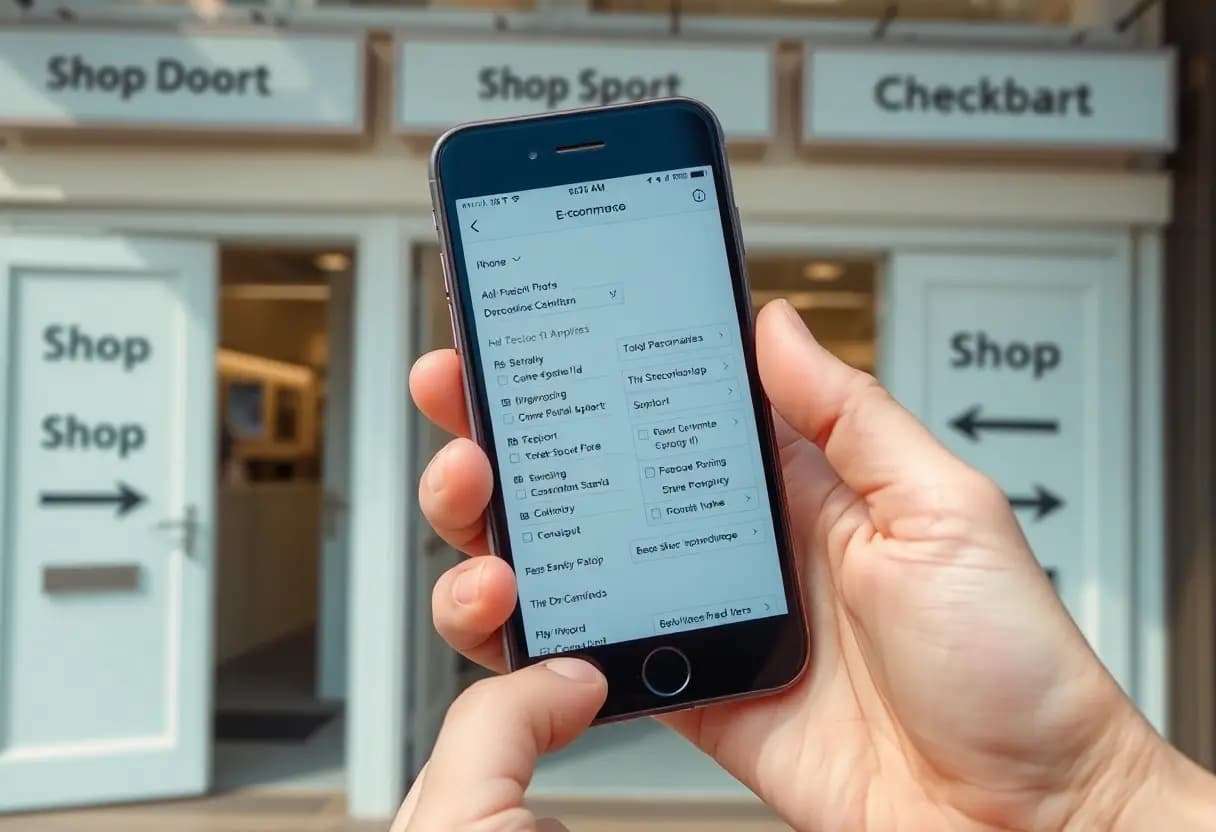
You expect quick access to information on your phone, but cluttered menus and tiny touch targets make that nearly impossible. Poor mobile design forces users to guess where to tap, leading to frustration. Over half of visitors abandon sites that don’t work smoothly on mobile, costing businesses real revenue with every misclick.
Thumb Driven Architecture
Your thumb dictates how easily you interact with a mobile site. Interfaces that ignore natural hand movement force stretching and mis-taps. Designing for thumb reach improves usability dramatically, keeping key actions within easy reach and reducing accidental exits from your site.
The Peril of Buried Links
Hidden menus and nested tabs make necessary pages hard to find. You shouldn’t need three taps to reach contact info. Every extra step increases the chance you’ll leave empty-handed, and businesses lose trust with every dead end.
When links are buried under layers of menus, users don’t dig-they leave. Common needs like pricing, support, or checkout must be visible without guesswork. Complex hierarchies directly correlate with higher bounce rates, especially on mobile where patience runs thin. If your customer can’t find it in two taps, it might as well not exist.
Search Bars as Admission of Defeat
You rely on a search bar because your navigation failed. It’s not a feature-it’s a confession that users can’t find what they need. When people must type to locate basic information, your structure is broken. A prominent search function shouldn’t replace clear pathways but compensate for their absence.
When Discovery Becomes a Chore
Finding a product or page should never feel like solving a puzzle. If users must click repeatedly, backtrack, or guess where to go, frustration builds fast. Every extra step chips away at trust. You lose attention before they reach the solution you offer.
The Failure of Intuitive Flow
Logic that makes sense to you may confuse your audience. If users can’t predict where to go next, your design lacks intuitive flow. Labels, layout, and sequence must align with user expectations, not internal jargon. Misalignment leads directly to abandonment.
Intuitive flow means users move through your site without thinking. They don’t pause to decode menu labels or wonder if “Solutions” means products or case studies. When your structure mirrors how people naturally think about your offering, conversion paths shorten and confidence grows. Confusing hierarchies force mental labor-labor most won’t perform. You benefit when clarity feels invisible.
The Psychology of Profitable Layouts
Every design choice on your site shapes how users feel and act. When navigation feels intuitive, people stay longer and buy more. Confusing menus trigger frustration, and frustration drives customers away. You don’t guide them-you lose them.
Guidance Over Decoration
Clarity beats creativity when users seek answers fast. Your layout should lead, not impress. Overly styled elements distract from core actions. You build trust by removing guesswork, not adding visual noise.
Establishing Authority via Order
Structure signals competence. A clean, logical flow tells visitors you’re organized and reliable. Chaos suggests carelessness, and carelessness kills credibility. You earn confidence every time someone finds what they need without effort.
When your navigation follows a predictable hierarchy, you position your brand as an expert, not an option. Users subconsciously equate order with professionalism. If your menu groups services clearly and labels them plainly, they’re more likely to believe you deliver quality. A well-ordered site doesn’t just inform-it persuades. You’re not just helping people move around; you’re shaping their perception of your entire business.
Final Words
Summing up, confusing navigation drives customers away by making it hard to find what they need. You lose trust quickly when users struggle to complete simple tasks. Every extra click or unclear menu increases frustration and abandonment. You keep customers by removing friction, not adding complexity. Clarity wins every time.