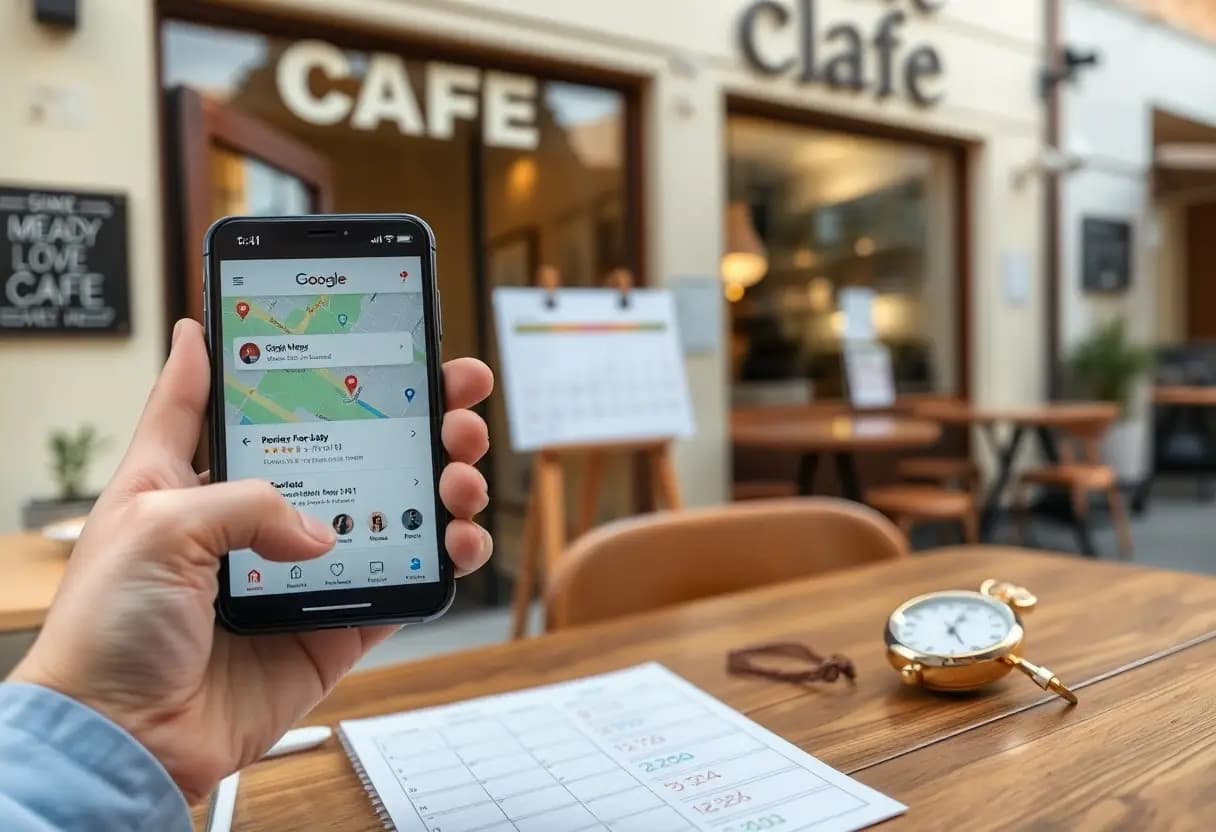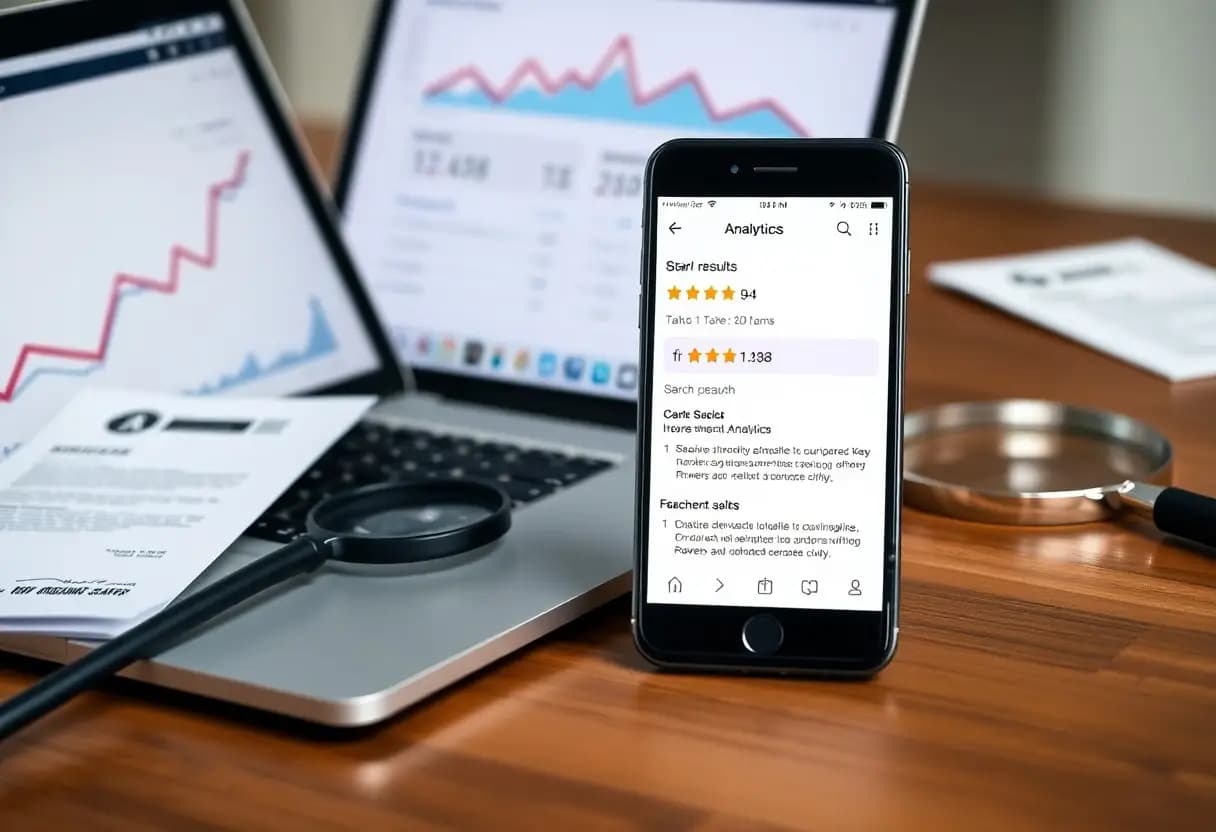

Buyers rely on local reviews to assess service quality and trust, so you should weigh safety risks and hidden fees alongside price, prioritizing reputation and reliability to avoid costly mistakes.
Why reviews influence local buying decisions
Because you search for nearby options, reviews act as social proof, signaling service, reliability, and local reputation, often outweighing small price gaps when you choose where to buy.
Trust and credibility signals
Trust anchors your choices: star ratings, recent reviews, and responses from owners act as credibility signals that reduce perceived risk when you visit or buy locally.
Value perception versus price sensitivity
Perception shapes whether you pay more: positive reviews let you see added value, so you often tolerate a higher price if the expected experience seems superior.
Furthermore, when you read detailed comments about cleanliness, wait times, or service recovery, you assign higher value to consistent strengths and quickly penalize patterns of negative feedback, which amplifies your price sensitivity.
The psychology of social proof for local shoppers
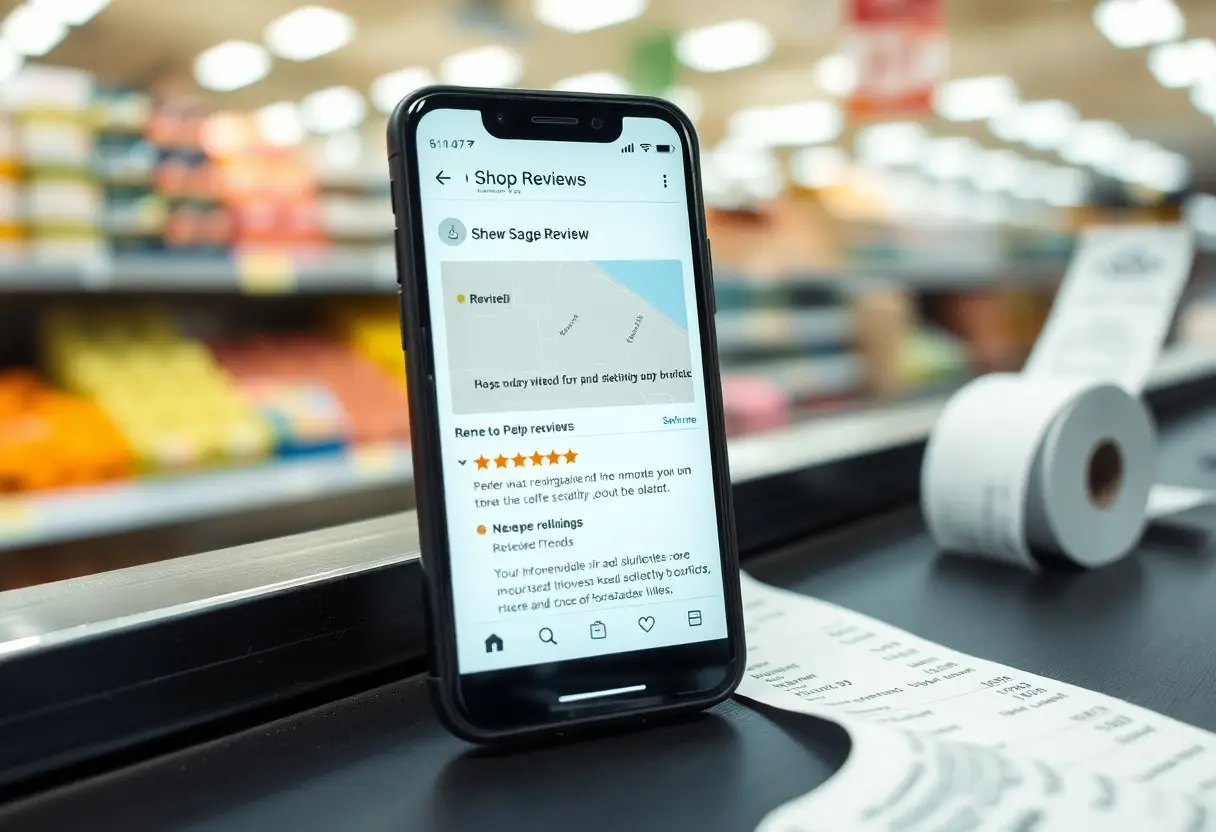
When you scan reviews, you rely on others to reduce uncertainty; positive ratings act as a mental shortcut that often outweighs a slightly lower price. Social signals make you trust local options faster, and high-rated feedback can be the decisive factor in choosing where to buy.
Herd behavior and risk reduction
Because you follow peers, aggregated reviews create a safe choice; crowd approval lowers perceived risk and makes you likelier to pick a known local provider over a cheaper, unknown alternative. Visible consensus shortens decision time and increases your confidence in the purchase.
Emotion, memory, and recommendation impact
Emotions shape how you recall experiences; enthusiastic recommendations trigger stronger memory and make you prioritize that vendor. A single heartfelt review can outweigh a price discount, as emotional endorsements often drive your final choice.
Additionally, emotionally vivid reviews use sensory details and storytelling to embed experiences in your memory, making you more likely to act; endorsements from neighbors amplify trust, while graphic negative accounts can produce strong avoidance. You should weight firsthand emotional testimony heavily, but cross-check patterns to avoid being swayed by outliers.
How reviews drive local search performance
Local SEO and ranking factors
When you gather reviews, search engines interpret them as signals of local relevance, which can improve your local rankings, map placement, and visibility to nearby customers.
- local SEO
- Google My Business
- Assume that review signals influence click behavior
Review snippets and click-through improvements
Rich review snippets with stars and excerpts make your listing more eye-catching, so you get higher CTR and more qualified local traffic.
Because searchers decide rapidly from the results page, visible ratings and concise excerpts prompt customers to click or call you; negative reviews can repel prospects, so you must manage feedback and showcase responses to protect visibility and drive conversion.
Measuring reviews’ business impact
You link review volume and sentiment to sales, traffic, and customer lifetime value, focusing on trends not one-offs; watch for sales lift and sudden sentiment dips that may indicate fake-review spikes.
Conversion, retention, and AOV effects
Data shows that when you improve review scores and reply promptly, you raise conversion rates, boost retention, and increase average order value; prioritize reviews to capture the conversion and AOV upside while mitigating negative sentiment.
Tracking ROI and attribution
Align review metrics with ad channels and CRM so you can attribute revenue; use UTM tags, review timestamps, and cohort analysis to spot where reviews drive purchases; monitor for misattribution and inflated ROI.
Moreover, you should run holdout experiments and matched-cohort analyses to measure review-driven lift accurately; A/B tests that expose only a subset of users to verified-review signals reveal incremental conversions, while multi-touch attribution apportions credit across touchpoints. Control for seasonality, sample bias, and fake or incentivized reviews to protect result integrity.
Managing and leveraging reviews effectively
Effective management turns reviews into marketing and improvement tools; you should centralize review tracking, flag high-impact feedback, and integrate insights into operations to boost local trust and search visibility.
Soliciting authentic feedback
Proactively ask satisfied customers to share specifics, make the process simple, and offer multiple channels; avoid incentives that skew honesty and prioritize genuine testimonials to fuel local decisions.
Responding to criticism and reputation repair
When you respond promptly and professionally, acknowledge issues, outline fixes, and invite offline resolution; public responses showing accountability can convert detractors into advocates and limit damage.
Carefully assess each complaint, separate legitimate faults from abuse, craft empathetic replies that state fixes and timelines, and follow up privately to confirm resolution; documenting actions helps you defend against false claims and improves service-swift, honest follow-through rebuilds trust.
Practical strategies to turn reviews into revenue
Use reviews to guide product placement, tailor offers, and train staff so you convert trust into sales; prioritize authentic social proof to boost local traffic and higher conversion.
Integrating reviews into marketing and sales
Embed reviews across your website, ads, and emails so you leverage social proof at every touchpoint; you should A/B test placements and highlight top-rated features to lift clicks and bookings.
Compliance, incentives, and ethical best practices
Protect your brand by avoiding fake reviews and disallowed incentives; follow platform rules and disclose paid endorsements to reduce legal risk and preserve authenticity.
Establish clear policies you enforce: avoid paying for positive reviews, require disclosures for discounts or gifts, and keep written consent when soliciting testimonials. You should monitor review platforms for suspicious patterns, respond promptly to complaints, and maintain an audit trail to defend against claims. Prioritize transparency and consumer trust; violations can create severe legal and reputational risk.
Summing up
Presently you rely on reviews more than price because they reveal real experiences, service consistency, and trustworthiness, helping you make safer, faster local choices that reduce risk and save time.