
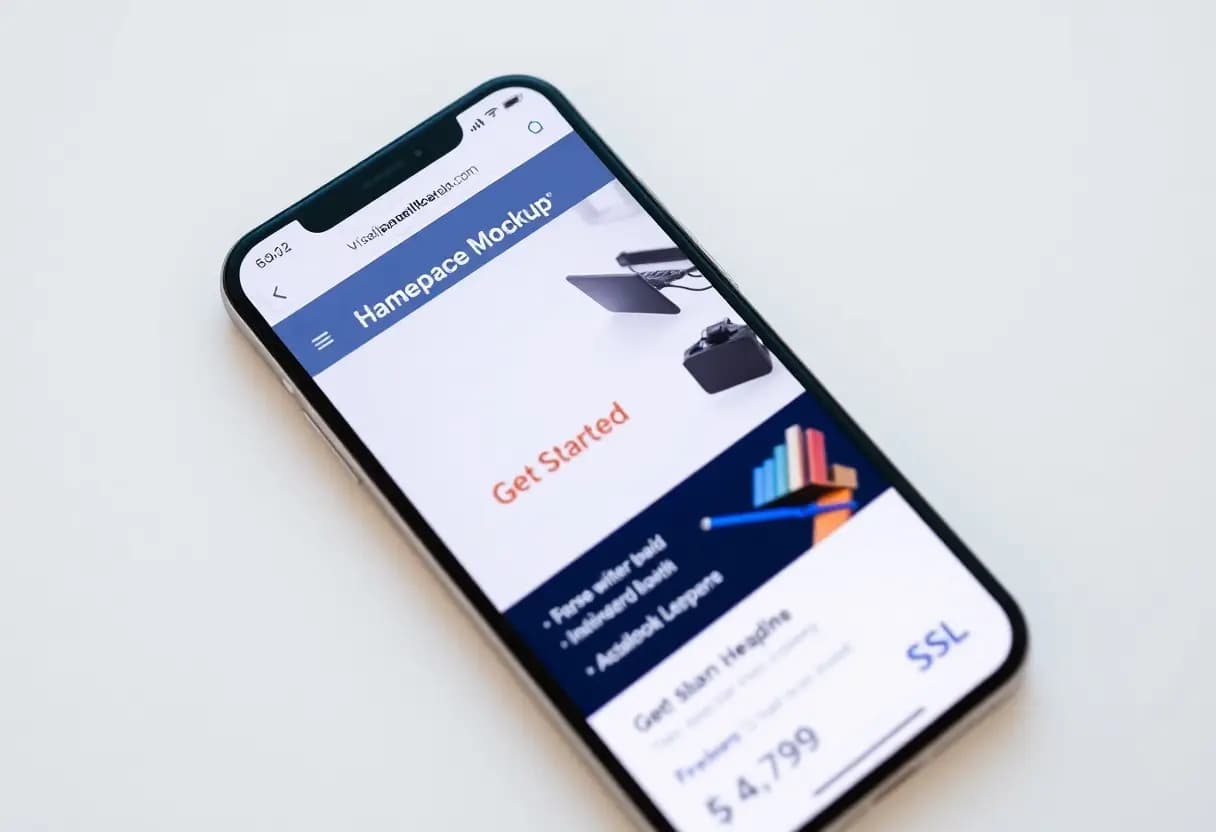
It’s expensive to send traffic to a homepage that doesn’t convert. You must have a clear value proposition within seconds, or visitors leave. A missing call to action is one of the most dangerous oversights. Make sure your business purpose, trust signals, and next step are immediately visible-otherwise, ad spend is wasted.
Key Takeaways:
- Your homepage must clearly communicate what your business does within seconds-visitors shouldn’t have to guess your product or service.
- Include a strong, visible call to action that guides users on what to do next, whether it’s signing up, buying, or contacting you.
- Build trust with real social proof, like customer testimonials or logos of companies you’ve worked with, to reduce skepticism before ad traffic arrives.
The Sales Proposition
You need a clear, compelling reason for visitors to choose you-fast. Without a strong sales proposition, even high-traffic campaigns fail. Your homepage must answer the visitor’s silent question: “Why should I care?” in under ten seconds.
Defining the Big Idea
Your big idea is the core promise that sets you apart. It’s not just what you offer-it’s the transformation you deliver. Think of it as the single message that makes your solution feel necessary, not optional.
Crafting the Selling Headline
Your headline decides whether anyone reads further. A powerful one instantly communicates value and sparks curiosity. It must reflect the big idea while speaking directly to the visitor’s needs, desires, or frustrations.
Headlines aren’t just words at the top-they’re your first and often only chance to connect. A weak headline loses attention; a strong one pulls readers deeper. Focus on clarity over cleverness, and benefit over features. Test different versions to see what resonates, but always tie it back to the promise your business exists to fulfill.
Visual Discipline
Clarity drives action on your homepage. If visitors can’t grasp your value in seconds, they’ll leave-no matter how much you spend on ads. Strong visual hierarchy guides attention where it matters, turning confusion into confidence with intentional design and purposeful spacing.
Controlling the Eye Path
Your visitor’s gaze should never wander aimlessly. Design each element to lead the eye naturally from headline to value proposition, then to your call to action. A clear visual flow increases engagement and reduces bounce rates by showing users exactly where to look-and what to do next.
Eliminating Aesthetic Clutter
Every extra image, icon, or decorative line competes for attention. Remove anything that doesn’t support your core message. White space isn’t wasted space-it’s a powerful tool that highlights what matters and improves comprehension instantly.
Decorative elements often seem harmless, but they create cognitive load that slows decision-making. Buttons with unnecessary shadows, background patterns, or mismatched fonts distract rather than delight. Removing aesthetic clutter sharpens focus, making your offer feel simpler and more trustworthy. Users respond better to clean, intentional design than to visual noise-even if they don’t realize why.
Proof of Results
You can’t expect visitors to trust your offer if you haven’t shown it works. People need proof before they commit, and your homepage must deliver it fast. Without clear evidence, even the best ad campaigns will waste money on skeptical traffic.
Authentic Testimonials
You build trust when real customers share specific wins. Generic praise doesn’t convert-details do. Highlight quotes that mention real problems solved, time saved, or revenue gained to show you deliver on your promises.
Verifiable Authority Signals
You gain instant credibility when you display logos of trusted clients, media features, or certifications. Seeing your brand alongside respected names reduces perceived risk. These signals work silently but powerfully to reassure skeptical visitors.
Third-party validation like press mentions, industry awards, or client case studies proves you’re not just making claims. When visitors can confirm your authority through external sources, hesitation fades. This transparency separates credible brands from empty promises and directly impacts conversion rates.
The Direct Command
Tell visitors exactly what to do next-don’t make them guess. A strong, action-driven headline paired with a clear directive guides attention where it matters most. Your message must eliminate ambiguity and focus on one primary outcome to drive conversions effectively.
High Visibility Primary Buttons
Place your main action button where eyes land first-above the fold and in high-contrast color. Users should never search for how to respond; the button must stand out instantly, using concise, action-oriented text like “Get Started” or “Claim Your Spot.”
Frictionless Form Design
Ask only for what you truly need. Long forms kill momentum. Every extra field reduces completion rates, so strip it down to necessarys and use smart defaults or autofill to speed up input without burdening the user.
Reducing friction in your form design isn’t just about fewer fields-it’s about psychology. Pre-filled information, clear error messages, and progress indicators all signal ease. When users feel the process is fast and simple, they’re far more likely to convert. Test different layouts to see what feels most natural on mobile and desktop.
Mechanical Integrity
Your homepage must function without errors before launching ads. Broken links, 404 pages, or malfunctioning forms drive visitors away instantly and waste every dollar spent on traffic. Search engines penalize technical flaws, reducing visibility. Fixing these issues ensures users stay, engage, and convert-don’t advertise a broken experience.
Rapid Loading Performance
Speed determines whether visitors stay or leave. If your homepage takes more than three seconds to load, over half your audience may abandon it. Optimize images, minimize scripts, and use caching to deliver instant access. Every delay chips away at trust and conversion potential-speed isn’t optional, it’s expected.
Mobile Layout Precision
Most users browse on phones, so your homepage must look flawless on small screens. Misaligned buttons, cramped text, or zooming struggles destroy user experience instantly. A clean, responsive design ensures every tap works perfectly-ignoring this means losing real customers before they even see your offer.
Think about how someone interacts with your site using just their thumb on a 6-inch screen. Elements too close together cause misclicks, tiny text forces zooming, and horizontal scrolling feels broken. A precisely tailored mobile layout adapts spacing, font size, and navigation to fit natural gestures. When done right, users flow smoothly from headline to action-boosting engagement and conversions without extra effort. This isn’t cosmetic; it’s foundational to performance.
Tracking Foundations
You can’t optimize what you can’t measure. Before launching ads, ensure your tracking setup captures accurate user behavior. Without reliable data, every decision is a guess-and every dollar spent could be wasted. Confirm your tools are correctly installed and actively logging interactions.
Pixel Integration Accuracy
Your pixel must fire on every relevant page without duplication or failure. An improperly placed tag means lost data and misattributed traffic. Test across devices and user flows to confirm it loads consistently where it should-and only where it should.
Conversion Event Verification
Someone visits, clicks, and buys-but did your system record it? If conversion events aren’t verified, you’re blind to real performance. Use test purchases and debugging tools to confirm each goal registers correctly in your analytics and ad platforms.
Don’t assume a “set it and forget it” approach works here. Conversion events often break after website updates or tag changes. Regularly audit your setup by simulating customer journeys and checking if each action appears in your dashboard exactly once. Accurate event tracking is the only way to know which ads actually drive results.
Final Words
Taking this into account, your homepage must clearly communicate your value, guide visitors with strong visuals and concise copy, and include a visible call to action. Without these, ads drive traffic to a page that won’t convert. Fix the foundation first-your ad budget depends on it.