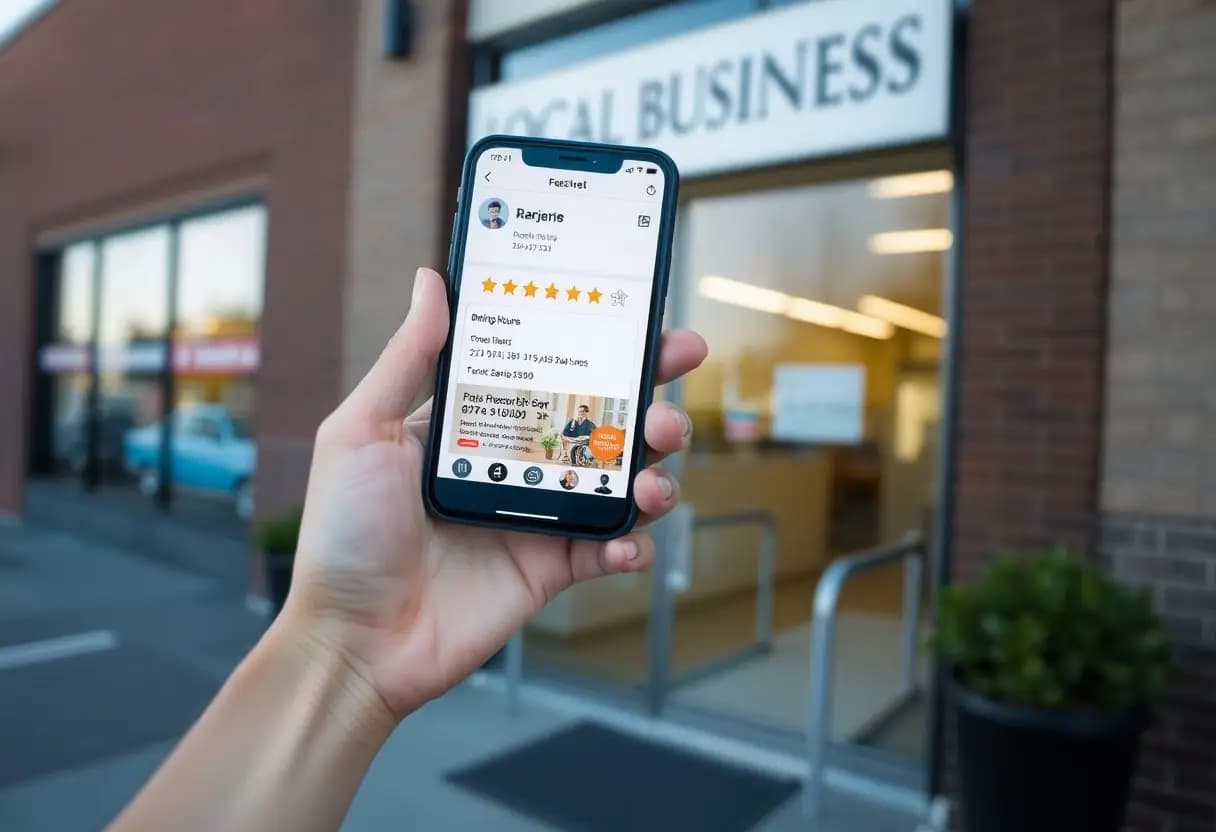

Just as you evaluate options, you rely on reviews, social proof, and accurate local listings to decide, while watching out for fake reviews that can mislead your choice.
Search and discovery channels
Today you use varied channels-search, maps, directories, and assistants-to vet businesses; your decision hinges on ratings, recency, and consistent listings across platforms, so coverage matters.
Search engines and local pack behavior
When you search, the local pack often appears first; its entries depend on relevance, distance and review signals, so ranking there drives high-intent traffic.
Maps, directories, and voice assistants
Maps prioritize proximity and verified details, so you must keep NAP, hours and categories accurate to appear in map results.
Additionally you should optimize directory profiles, add high-quality photos, enable bookings where available and monitor voice-friendly descriptions and reviews to capture assistant queries.
Reviews and reputation signals
When you scan listings, review snippets, star ratings, and badges serve as quick reputation signals that shape trust; recent reviews and high ratings often sway choices while negative patterns warn you away.
Review platforms, ratings, and trust cues
Across major platforms you check average stars, volume, and reviewer profiles; verified purchases and badges increase trust, while low review counts or suspicious clusters reduce confidence.
Review management and authenticity
Effective review management requires you to monitor feedback, respond promptly, and report fake reviews; transparency and timely replies boost perception of honesty and reduce customer hesitation.
Proactively solicit balanced feedback, verify reviewers when possible, and track sentiment trends; using transparent policies and evidence-backed responses helps you counter false claims without escalating issues.
Website, mobile and content expectations
Now your site must act like a local storefront online: you give users fast, clear access to services, hours and contact. Prioritize fast load times, readable content and a mobile-first layout so users find and trust you within seconds.
Local SEO, structured data and landing pages
Optimize local visibility with structured data, consistent citations and focused local landing pages. You should implement schema for NAP, offers and reviews, and tailor pages to neighborhood queries so search engines map local intent to your business.
Mobile experience, speed and local content
Prioritize a lightning-fast, touch-friendly site: speed, large tap targets and simplified forms boost conversions. You must optimize images, trim render-blocking scripts and enable caching so mobile visitors can act immediately when they find you.
Delve deeper by measuring and fixing performance: monitor Core Web Vitals (aim LCP under 2.5s, low CLS), reduce JavaScript, serve responsive images via CDN, and implement service workers or a PWA for reliable offline and caching. You should enable click-to-call, clear location prompts and concise local content-otherwise you risk high bounce rates and lost foot traffic.
Social proof and community influence
Social proof shapes how you choose local businesses: aggregated reviews and ratings build trust fast, while endorsements signal quality; you should watch for fake reviews that distort decisions.
Social platforms, user-generated content and recommendations
Platforms surface user-generated content so you see real experiences; search filters and peer recommendations help prioritize options, but you must cross-check patterns to avoid being misled.
Local influencers, forums and neighborhood groups
Neighborhood groups and local influencers amplify opinions you trust, offering timely tips and deals; treat enthusiastic endorsements as signals, and verify details before acting.
Additionally, when you follow local influencers or forum threads, check engagement, timestamps and original photos; spot paid endorsements or biased posts to avoid being misled, and cross-reference recommendations across groups before choosing.

Offline-to-online pathways
People shift from offline cues to online research when a recommendation, sign, or event prompts you to check hours, reviews and directions; this pathway rewards businesses with accurate, mobile-friendly listings and punishes those without clear contact details.
Word-of-mouth, signage and events that trigger searches
When friends, staff or neighbors recommend you or a storefront sign catches attention, people often search immediately for your name, address or menu – so you should make sure reviews and directions are up-to-date and easy to find.
Traditional media, QR codes and click-to-contact
Traditional ads, flyers and broadcasts can drive scans or calls when you include QR codes and click-to-contact links, but you must ensure the landing page is fast and contact methods are obvious to convert interest.
Additionally, when you place QR codes or a phone number in print or broadcast, link them to a mobile-optimized, localized landing page with a clear call-to-action and click-to-call or SMS options; add UTM parameters to track source, test codes before distribution, and monitor scans so you can fix broken links or slow pages that kill conversions – these steps turn passive impressions into measurable leads.
Conversion and post-contact behavior
When prospects contact you, the path from inquiry to booked customer hinges on fast replies, clear expectations, and simple next steps; prioritize rapid response and eliminate friction to convert interest into action.
Booking, pricing transparency and availability
Ensure you offer transparent pricing, visible availability, and frictionless booking flows so customers trust your process; flag hidden fees to avoid surprises that kill conversions.
Follow-up, retention and referral prompts
Afterwards, you prompt polite follow-ups, timely reminders, and concise feedback requests that nudge repeat business and referrals; emphasize personalized outreach and clear calls to act.
Additionally you should segment contacts, test timing and channel, and offer small incentives for referrals; avoid over-messaging which erodes trust, and track retention metrics to optimize lifetime value.
Conclusion
Drawing together the patterns of reviews, maps, social proof and mobile search, you can evaluate local businesses by checking ratings, recent feedback, location accuracy and active online engagement to make faster, better-informed decisions.