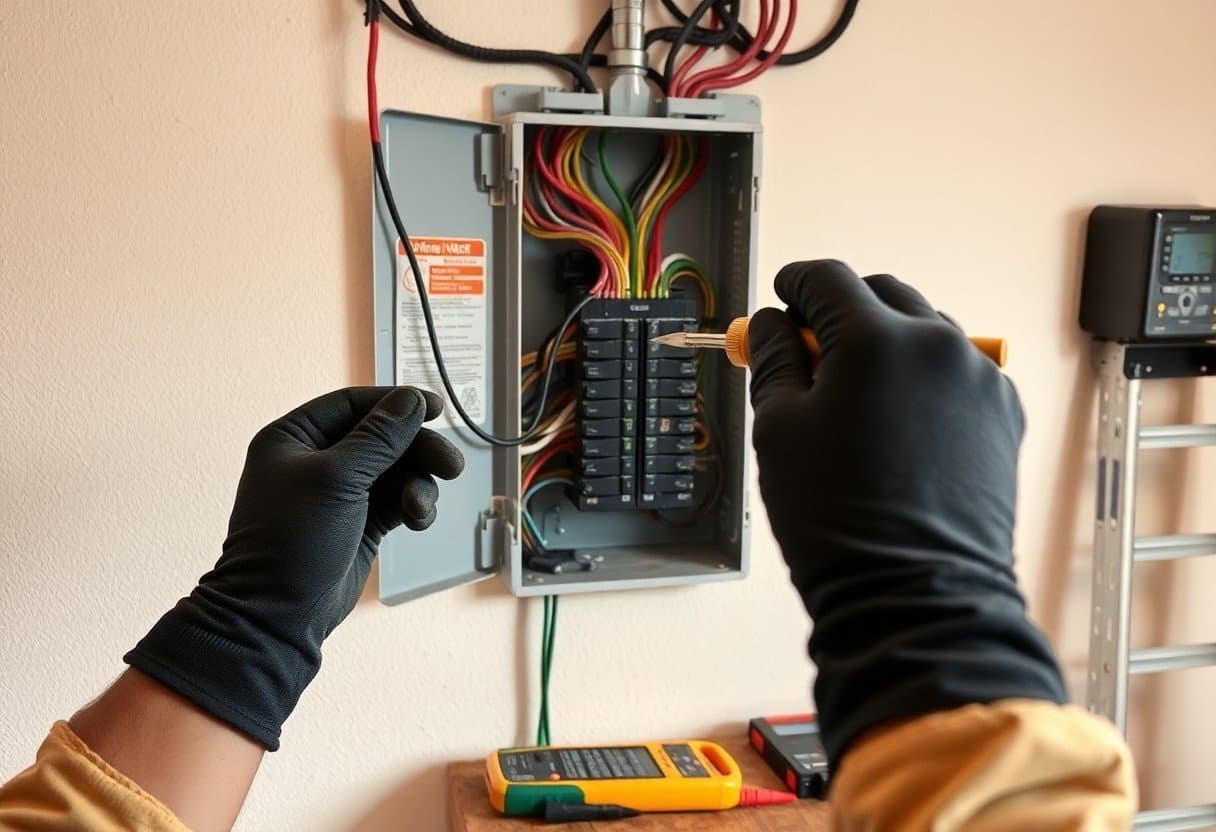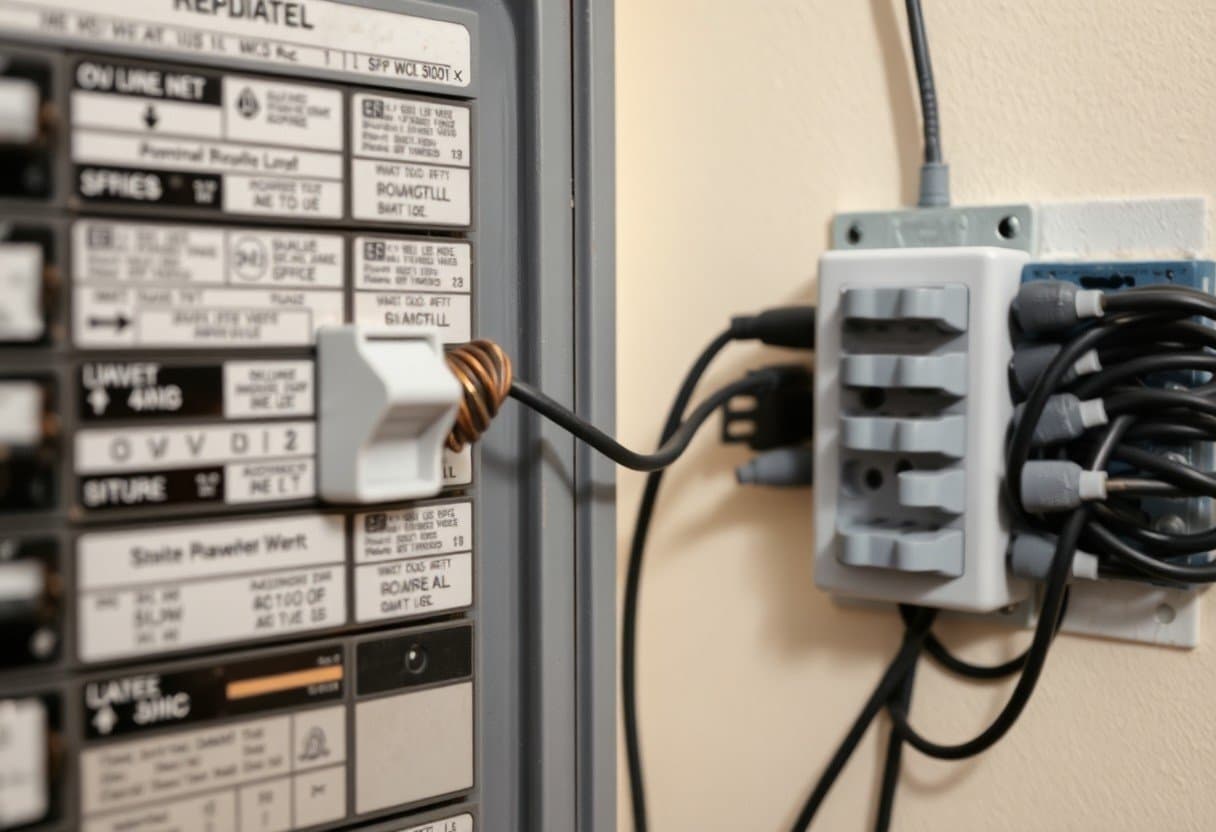
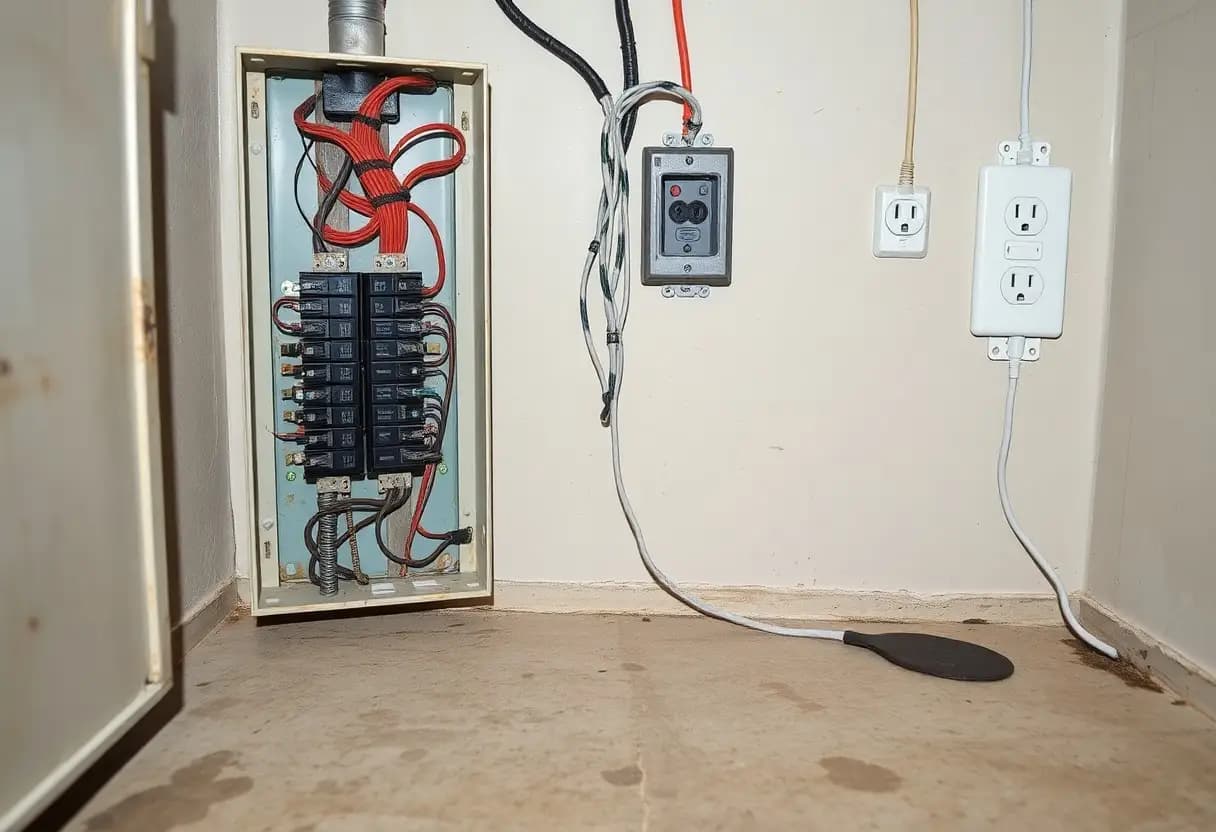
Just because something hums or trips occasionally doesn’t mean it’s harmless – when you notice frequent breaker trips, flickering lights, or warm outlets, you face a real risk of fire or electric shock. You should avoid DIY fixes and turn off power and call a licensed electrician promptly; a professional can diagnose overloaded circuits, outdated wiring, or faulty devices and recommend safe, long-term solutions to protect your home and family.
Common Power Outages in Silvis
Storm, wind and tree-related outages
Spring and summer thunderstorms, plus occasional ice events, shear branches into lines; you’ll see outages when winds exceed 40-60 mph and large limbs fall. Vegetation contact is a leading cause of localized outages, and downed power lines pose a deadly hazard-stay far away and call 911. Restoration often ranges from a few hours for isolated faults to 24-48 hours after widespread storm damage, so you should report outages via your utility’s outage map to hasten crew dispatch.
Utility infrastructure aging and service interruptions
Wear on wood poles, aging transformers and old switchgear generates intermittent faults; you may notice flickering lights, humming transformers or repeated brief outages on the same circuit. Utilities schedule planned outages to replace high‑risk equipment, yet unplanned failures rise when assets exceed design life-many Midwest poles and transformers are 40+ years old and more susceptible to failure under heavy load.
Documenting recurring outages with dates, times and your meter number helps trigger targeted inspections; you should include photos when safe to do so. Utilities rely on pole‑age records and infrared inspections to find hot spots, and communities that fund accelerated replacement programs typically see outage rates drop by double digits. For immediate protection, install surge protection and request a safety inspection if outages cluster at your address.
Typical Residential Wiring Problems
Homes in Silvis commonly suffer from aging insulation, undersized circuits, and amateur repairs that create hazards. You’ll often find kitchens and basements with multiple appliances on a single 20A circuit, lights that flicker when large loads start, and outlets backstabbed instead of properly connected-issues that cause nuisance trips and, in worst cases, overheating or arcing.
Outdated or improper wiring (knob‑and‑tube, aluminum)
Knob‑and‑tube wiring, common before the 1940s, has no grounding and brittle cloth insulation that degrades with age; replacing it is often required for safety and insurance. Aluminum branch wiring, installed in many 1960s-1970s homes, is prone to oxidation and loose connections, and must be inspected or remediated with COPALUM/ALUMINUM‑rated connectors to reduce fire risk.
Overloaded circuits and DIY modifications
Many homeowners plug a 1,500W space heater (≈12.5A at 120V) into a circuit already feeding lights or outlets, pushing a 15A-20A circuit near capacity. You also find DIY fixes like swapping a 15A breaker for a 30A one without upgrading 14‑AWG wiring-an immediate fire hazard because 14‑AWG is rated for 15A and cannot handle the higher breaker setting.
Signs you’ve overloaded or improperly modified a circuit include frequent tripping, flickering lights, warm or discolored outlets, and scorch marks. If you spot any of these, stop using the circuit and call a licensed electrician. Typical remedies are adding dedicated circuits for high‑draw appliances, installing AFCI/GFCI protection, and replacing undersized or damaged wiring and improper breakers.
Panel, Meter and Breaker Issues
Panels and meters in Silvis frequently show age-related problems: many homes still have 60A or 100A service panels that can’t support modern appliances, corroded meter sockets that raise resistance, and breakers that no longer hold tight. You’ll see overheating marks, buzzing at the panel, and repeated trips that point to wiring or connection failures rather than appliance faults; addressing these typically means a service upgrade to a 200A panel or targeted repairs at the meter and bus.
Corroded or undersized service panels and loose connections
Corrosion at the meter base or service lugs, especially on older aluminum conductors from the 1960s-1970s, increases resistance and heat. You may notice discoloration, melted insulation, or a hot-smelling panel cover; these are signs that loose connections and corrosion are producing arcing and elevated fire risk. Replacing the meter socket, converting to copper lugs, or upsizing an undersized panel to 200A often resolves the issue and restores safe operation.
Nuisance trips, shared neutrals and improper breaker replacements
Nuisance tripping often stems from multiwire branch circuits (MWBCs) with shared neutrals on separate single-pole breakers, or from someone swapping in the wrong breaker type. You’ll see flickering lights or GFCI/AFCI trips when two circuits share a neutral without a tied common-trip breaker; installing a proper 2-pole common-trip or handle-tied breaker and correct AFCI/GFCI replacements stops the unwanted interruptions and meets code.
For example, a homeowner who replaced a burned 2-pole breaker with two separate single-poles created a condition where the shared neutral carried the sum of both loads, overheating the neutral and tripping protective devices. Your electrician should perform a load calculation, identify MWBCs, and replace mismatched breakers with manufacturer-approved multi-pole, common-trip breakers or rewire circuits so neutrals are not shared improperly; that eliminates hazards and nuisance trips while ensuring compliance with current NEC requirements.
Appliance, HVAC and Motor-Related Failures
You’ll see the same culprits: A/C compressors, furnace blowers, sump pumps and large appliances stressing branch circuits. Single‑phase motors commonly generate 5-7× their running current at startup, worn start/run capacitors often fail after 5-10 years, and repeated hard starts or poor ventilation let windings overheat until insulation fails. Soft‑starters or VFD retrofits can cut inrush by 30-60%, reducing nuisance trips and extending motor life.
High startup loads, failed capacitors and motor burnout
Your central A/C or pool pump can pull a brief surge that trips breakers or weakens motor windings; a 10 A running motor may hit 50-70 A at startup. Failed start/run capacitors cause slow or repeated starts, humming and higher operating temperature, which accelerates insulation breakdown and leads to motor burnout within weeks if not corrected.
Appliance faults causing nuisance tripping and outages
You’ll notice refrigerators, microwaves, dishwashers and portable heaters repeatedly tripping breakers or AFCI/GFCI devices. GFCIs trip on very small ground current – about 4-6 mA – while AFCIs detect arcing patterns that modern electronics or worn motor brushes can mimic. These nuisance trips often stem from leakage, arcing, or shared neutrals, and they create intermittent outages and potential safety hazards.
Digging deeper, you’ll find many nuisance trips are tied to transient inrush (appliances often draw 2-6× running current for 0.1-0.5 seconds), ageing insulation causing leakage, or neutral-to-ground faults in multi‑wire circuits. You can mitigate issues by placing high‑start‑load devices on dedicated circuits, replacing faulty start relays/capacitors, repairing frayed cords, and using surge/soft‑start solutions; these measures lower trip rates and reduce the fire and equipment‑damage risk.
Safety Hazards and Code Compliance
You’ll see examples where unpermitted work, DIY splices, or outdated wiring create immediate risks: exposed live conductors, aluminum branch circuits, and overloaded 15‑amp circuits feeding multiple appliances are common. Insurance companies and buyers often flag these during inspections, and noncompliance can lead to failed closings or denied claims. When we inspect, we document missing grounding, improper conductor/breaker sizing (e.g., 12 AWG on a 20‑amp breaker), and recommend corrective permits and repairs to bring systems up to the current code.
Missing or improper GFCI/AFCI protection and grounding
You frequently find outlets near water or in bedrooms lacking the proper protection: kitchens, bathrooms, garages, basements, and exterior receptacles must have GFCI protection, while bedrooms and many living areas require AFCI protection to reduce shock and fire risk. GFCIs typically trip at about 4-6 mA, and AFCIs detect arcing faults that can ignite insulation. A common fix is replacing ungrounded two‑prong outlets with GFCI‑protected, labeled receptacles and correcting faulty neutrals or bonds.
Smoke alarms, permits, inspections and local code considerations
You should have smoke alarms inside each bedroom, outside sleeping areas, and on every level; many local codes and the NEC now require interconnected, hardwired alarms with battery backup or sealed 10‑year batteries. Failure to install or interconnect alarms often causes failed inspections. Also, service upgrades, panel changes, and major rewiring in Silvis require permits and inspections under state/municipal codes-skipping that can lead to costly rework or insurance complications.
When you pull a permit, the inspector will verify grounding, bonding, correct conductor sizes and breaker matches (for example, 12 AWG on 20‑amp breakers), proper GFCI/AFCI locations, and smoke‑alarm placement/interconnection. In practice we’ve seen inspectors flag mislabeled panels, double‑tapped neutrals, and missing bonding at the service-issues that stop final approval until corrected. Document every correction and keep permit records to avoid future resale or insurance problems.
Preventive Maintenance and When to Call a Professional
You should follow a simple schedule: test GFCIs monthly, do a visual check of outlets and cords quarterly, and hire a licensed electrician for a panel inspection every 3-5 years or after major renovations. Keep surge protection current-point-of-use strips replaced every 3-5 years and consider a whole-house unit at the service panel. If you see persistent overheating, arcing, or water intrusion, shut off the affected circuit and call a pro immediately.
Routine checks, surge protection and moisture mitigation
Test GFCIs monthly and inspect outdoor and basement outlets for corrosion or moisture; use weatherproof in-use covers and silicone seals on connections. Install a whole-house surge protector at the meter or panel-look for ratings of 600-2,000+ joules for better protection-and replace worn surge strips every 3-5 years. Keep grading and downspouts directing water away from your foundation and run a dehumidifier in damp basements to reduce long-term electrical damage.
Warning signs that require licensed electrician intervention
If you notice sparks, a burning smell, frequent breaker trips (more than once daily), hot outlets or scorch marks, buzzing from the panel, or exposed/aluminum wiring, stop using the circuit and call a licensed electrician. These symptoms often indicate arcing, loose neutrals, or overloaded circuits that significantly increase fire risk and need professional diagnosis and repair.
Frequent nuisance tripping can point to overloaded circuits or a failing breaker; if trips exceed two per day, an electrician will perform load calculations and may redistribute circuits or upgrade to 20‑amp where code allows. Thermal imaging scans catch hot connections before they fail, and repairs range from tightening terminals (~$150-$600) to panel replacement (~$1,200-$3,500) depending on scope-your electrician will provide a written estimate and prioritized fixes.
Summing up
To wrap up, you should watch for frequent issues in Silvis such as overloaded circuits, aging knob-and-tube or aluminum wiring, flickering lights, tripped breakers, faulty outlets, and inadequate grounding; addressing these promptly with a licensed electrician protects your home, improves safety, and prevents costly repairs. Regular inspections, proper surge protection, and updated panels help keep your electrical system reliable and compliant.