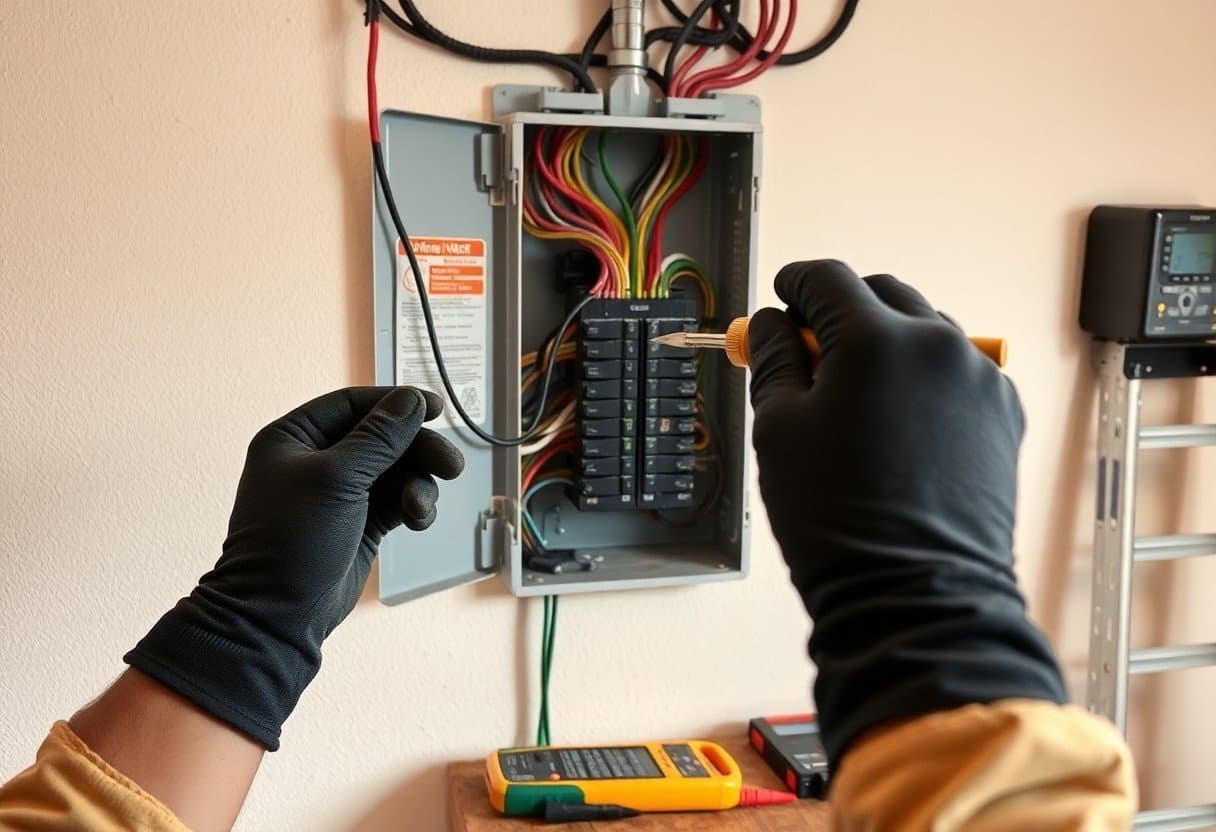
Overloaded circuits, short circuits, and faulty breakers often trip; you must treat frequent tripping as a potential fire and shock hazard, call a licensed electrician, while simple overloads may allow quick, safe restoration by redistributing appliances.
Key Takeaways:
- Overloaded circuits: Too many appliances or high-draw devices on the same circuit cause heat buildup and frequent tripping; redistribute loads or upgrade the circuit.
- Short circuits or ground faults: Damaged wiring, frayed insulation, or water intrusion create direct faults that trip breakers immediately and increase fire risk; have a professional inspect and repair.
- Faulty breakers or connections: Aging breakers, loose terminal connections, or incorrect breaker types can trip erratically and often require replacement or tightening by a licensed electrician.
The Fundamentals of Circuit Protection
Understanding how breakers and wiring interact helps you see why trips occur; breakers interrupt faults to prevent fires and shocks, and frequent tripping signals a condition you should investigate.
The role of the breaker in electrical safety
Your breaker monitors current and disconnects circuits that exceed safe limits, protecting you from overheating and electrical fires; repeated trips can mean the device is working or that a repair is needed.
Understanding the mechanism of a tripped switch
When a breaker trips, its thermal or magnetic element opens the circuit to stop dangerous currents, so repeated trips typically indicate overloads, short circuits, or aging components that need attention.
Thermal-magnetic breakers combine a fast magnetic response for shorts with a heat-sensitive bimetal strip for sustained overloads; you can isolate loads to test circuits, but persistent or erratic tripping and any burning smell mean stop using the circuit and call a licensed electrician.
Circuit Overload: The Most Common Culprit
Overloads happen when multiple high-draw devices run on one circuit, making the breaker trip to prevent overheating; you should treat repeated trips as a sign of potential fire risk and reduce connected load or consult an electrician.
Identifying excessive power draw from multiple appliances
Check for simultaneous use of space heaters, microwaves, and hair dryers; if breakers trip when those run together, you likely have excessive power draw on that circuit and should unplug nonimportant appliances.
Strategies for redistributing electrical loads
Shift heavy appliances to different circuits, avoid chaining power strips, and stagger runtimes so you reduce trips and lower overheating risk.
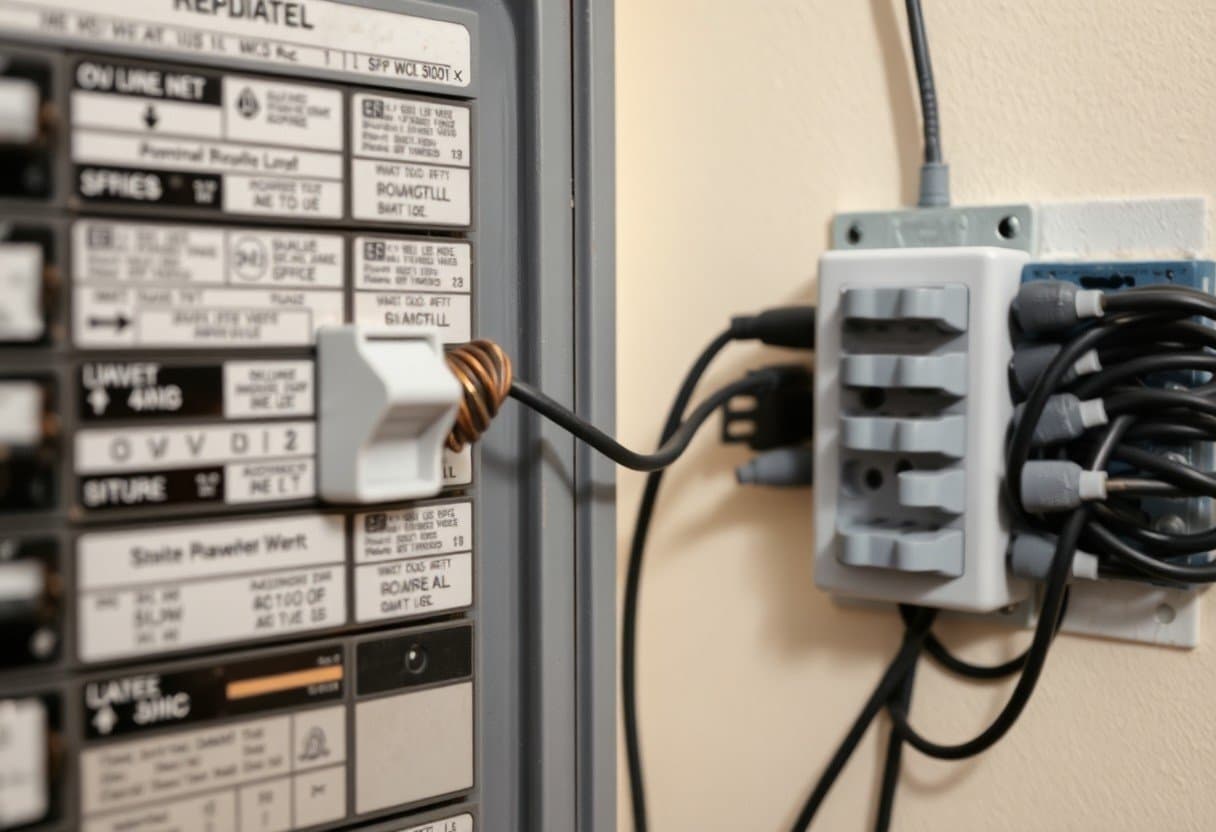
Rebalance circuits by reading the panel labeling, mapping outlets and appliances to breakers, moving heavy loads to underused circuits, and installing dedicated circuits for high-demand devices; if you detect warm outlets or repeated trips, you should call an electrician because overloaded wiring can cause fires.
Short Circuits and Insulation Failure
Short circuits occur when damaged insulation lets conductors touch, causing abrupt current surges that make breakers trip; you should treat these events as fire and shock risks and avoid using affected circuits until a pro inspects and repairs the insulation.
Detecting internal wiring malfunctions
You can spot internal wiring malfunctions by noticing burn marks, unusual buzzing, hot outlets, or repeated breaker trips; when these signs appear, cut power to that circuit and contact a licensed electrician immediately.
Recognizing the signs of compromised conductors
Look for discolored insulation, melting, or brittle wires behind outlets and in junction boxes, since these indicate compromised conductors that raise your risk of shocks and fires and require professional repair.
Inspect junction boxes, outlet backs, and appliance cords for fraying, scorch marks, or exposed copper; if you see any, shut off the circuit at the panel and have a licensed electrician test continuity, replace damaged conductors, and repair insulation to restore safe operation.
Ground Faults and Moisture Issues
Moisture around outlets, basements, or appliances can create ground faults that make breakers trip to protect you; when water provides a path, current diverts to ground and triggers protection. Look for wet wiring, corroded connections, or pooling water to reduce repeated trips.
Understanding current leakage to the ground
Current leakage happens when live conductors contact ground via damaged insulation or dampness, causing your breaker to trip and creating a shock hazard. You should have leakage measured by a pro to locate faulty wiring or appliances.
The critical function of GFCI protection in wet areas
GFCI devices monitor current balance and will trip before your breaker if they detect an imbalance, protecting you from electrocution in bathrooms, kitchens, and outdoors. Test GFCIs regularly and replace units that fail to keep wet-area circuits safe.
Install GFCIs on all receptacles near water and have worn units replaced; you should never reset repeatedly without investigating because persistent trips signal ongoing leakage or wiring damage. A licensed electrician can pinpoint ground faults with specialized tools.
Arc Faults: Detecting Hidden Dangers
Arc faults occur when wiring intermittently sparks, and you may see repeated breaker trips; these hidden arcs create heat and fire risk, so you should treat them as a serious hazard.
Recognizing loose connections and sparking
Loose connections often cause intermittent arcs and visible sparking; if you notice warm outlets, buzzing, or burning smells, you should shut off power and call an electrician because sparks can ignite insulation.
How AFCI technology prevents electrical fires
AFCI breakers monitor current patterns and trip on arcing signatures, so you get protection against hidden faults and reduced fire risk.
Modern AFCIs distinguish harmless appliance noise from dangerous series or parallel arcs by analyzing waveform characteristics in milliseconds; you should have them installed on circuits serving bedrooms and older wiring so the device interrupts arcs before they produce enough heat to ignite surrounding materials.
Evaluating Hardware Failure and Breaker Wear
Inspect the breaker panel for corrosion, scorching, melted insulation, or loose terminals; if you spot burn marks or a breaker that stays hot, you should shut off power and contact a professional immediately.
Symptoms of a physically failing breaker unit
You may notice repeated tripping on light loads, a breaker that won’t reset, buzzing or arcing noises, or visible burning; these indicate the unit is failing and create a fire hazard, so avoid using affected circuits.
When to transition from DIY troubleshooting to professional repair
Consider calling a licensed electrician if breakers trip with minimal load, if you smell burning, see charred wiring, or if panel parts feel hot; do not touch live wiring and prioritize professional repair for safety.
If troubleshooting reveals persistent arcing, scorch marks, repeated trips despite load reduction, or a breaker that physically won’t reset, you need a pro; a licensed electrician will test with insulated tools, diagnose wiring faults, replace worn breakers, and remove the fire risk to restore safe operation.
Summing up
With this in mind you should check for overloaded circuits, short or ground faults, arc-fault triggers, or failing breakers; loose wiring or moisture can also cause trips. You can reduce load and test circuits, but hire a licensed electrician for persistent or dangerous issues.