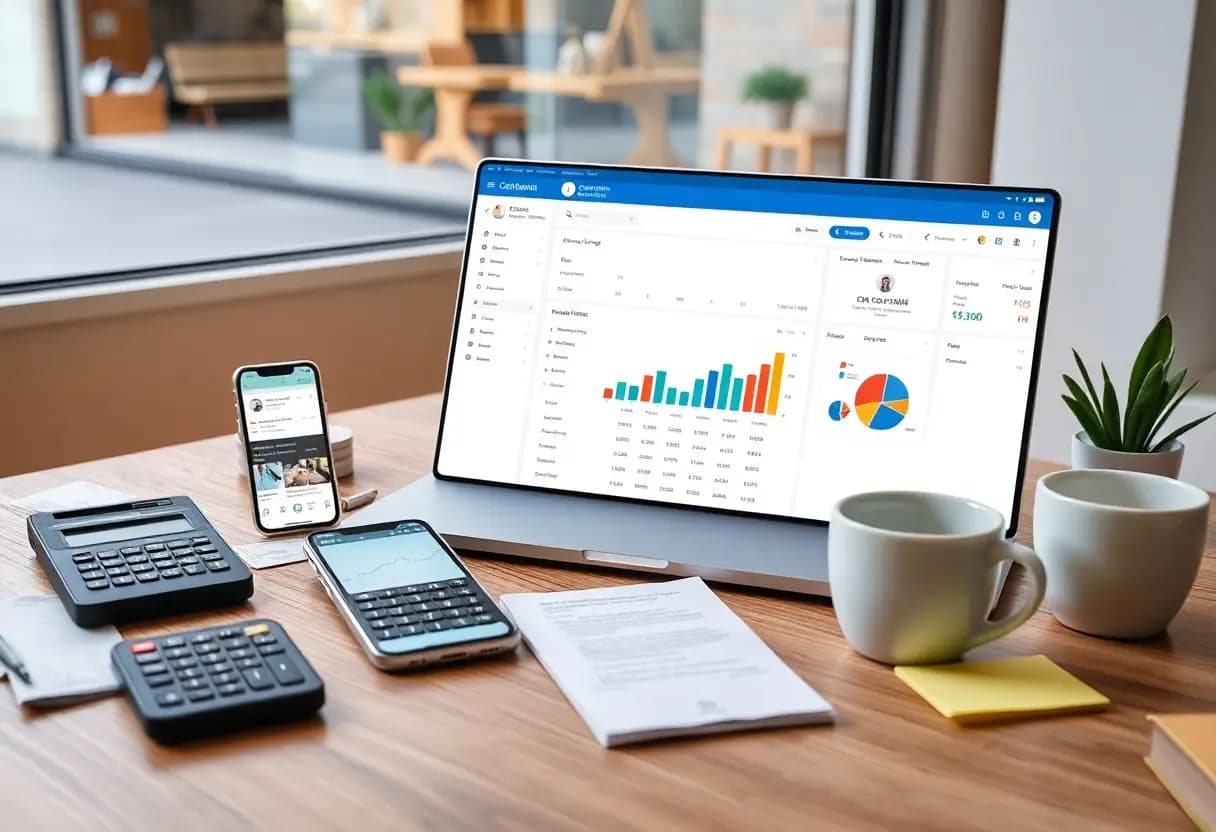

Tracking your monthly cash flow reveals dangerous shortfalls before they disrupt operations. You must monitor revenue, expenses, profit margins, and accounts receivable to maintain control. Unexpected drops in sales become visible early, while consistent profit growth confirms effective strategies. Your decisions rely on these numbers-ignore them at your peril.
Key Takeaways:
- Cash flow movements reveal whether a business can cover expenses, pay employees, and invest in growth-tracking inflows and outflows monthly helps spot trends and avoid shortfalls.
- Profit margins highlight how much of each dollar earned turns into profit; monitoring gross and net margins monthly shows pricing effectiveness and cost control.
- Accounts receivable aging indicates how quickly customers pay their invoices; delays often signal cash flow problems before they become critical.
The Reality of Cash
Cash keeps your business alive, not revenue on paper. You can have strong sales but still face shutdown if money isn’t flowing in. Running out of cash is the most common reason businesses fail, even profitable ones. Track it monthly-your survival depends on it.
Revenue Flow
Revenue shows how much you’re earning, but timing matters just as much as volume. Irregular or delayed income can destabilize operations, even with high totals. Monitor when payments arrive to anticipate shortfalls and plan with confidence.
Monthly Expenses
Expenses erode your cash balance silently when untracked. Fixed and variable costs must be categorized and reviewed every month. Spotting spikes early helps you adjust before they become crises.
Understanding your monthly expenses means going beyond totals. Break them into categories like rent, payroll, software, and supplies. Watch for recurring charges that no longer add value-unused subscriptions or outdated services drain resources. Compare each month to identify trends, seasonal shifts, or unexpected increases. This level of detail turns spending from a blind spot into a strategic lever.
The Client Count
Tracking your total client count monthly reveals immediate shifts in demand and market reach. A steady increase signals effective outreach, while a drop warns of potential service or marketing issues. You need this number to assess growth accurately and plan resource allocation with confidence.
Retention Rates
Retention rates show how well you keep clients over time. A high percentage means your service delivers consistent value, leading to predictable revenue and stronger referrals. If this number slips, it’s a red flag that customer experience may be breaking down.
Acquisition Costs
Acquisition costs measure how much you spend to gain each new client. When this number rises without a matching increase in client value, it threatens profitability and long-term sustainability. Monitoring it monthly keeps your growth strategy grounded in reality.
Every dollar spent on ads, sales, or outreach contributes to your client acquisition cost. If you’re spending $500 to acquire a client who brings in $400 over their lifetime, you’re operating at a loss. Understanding this metric helps you identify inefficient channels and shift budgets to what truly works, protecting your margins and ensuring scalable growth.
The Operational Grind
Every month, you face the daily push to keep things running-orders filled, services delivered, customers served. How smoothly operations flow directly impacts your bottom line. Tracking performance here reveals inefficiencies before they become costly habits, ensuring your business doesn’t just survive but steadily improves.
Labor Productivity
You need to know what each team member produces in a given period. Low output relative to hours paid is a red flag-it may signal poor training, misaligned roles, or burnout. Monitoring this helps you adjust staffing, improve workflows, and reward high performers fairly.
Resource Waste
Wasted materials, unused supplies, or duplicated efforts drain profits silently. Even small leaks add up fast. Tracking waste monthly forces accountability and highlights where processes need tightening-saving money and reducing environmental impact.
Look closely at what’s being discarded or underused across departments. Is inventory expiring? Are supplies over-ordered? Excess consumption often points to flawed forecasting or poor oversight. When you measure waste accurately, you gain leverage to renegotiate vendor terms, refine ordering cycles, and build a leaner, more efficient operation.
The Digital Score
Your online presence is a direct reflection of your business health. Tracking digital performance monthly gives you real-time insight into what’s working-and what’s not. Ignoring these signals means missing growth opportunities or, worse, overlooking declining customer interest before it impacts revenue.
Traffic Volume
You need to know how many people visit your site each month. A sudden drop could signal technical issues or lost visibility. Consistent growth shows your marketing is reaching the right audience. Watch for patterns-seasonal spikes or dips-that inform future campaigns.
Conversion Stats
Your conversion rate reveals how well your site turns visitors into customers. Even high traffic means little if few take action. A low rate may point to poor user experience, unclear offers, or broken funnels that cost you sales every day.
Look beyond the percentage. Examine where conversions happen-contact forms, purchases, downloads-and where they fail. Are mobile users dropping off? Is one landing page outperforming others? These details guide precise improvements that directly affect your bottom line.
The Bottom Line
Profitability defines your business’s survival and growth potential. Tracking this number monthly reveals whether your operations are sustainable or heading toward risk. Ignoring it can lead to sudden cash shortages, even with high sales. You need clarity, not guesswork-your bottom line provides exactly that.
Margin Health
Profitability starts with how much you keep from each sale. Shrinking margins often signal rising costs or pricing issues before profits drop. You must monitor this ratio closely to catch problems early and maintain pricing power in your market.
Net Profit
Your net profit shows what remains after all expenses are paid. This figure is the clearest indicator of financial success. If it’s declining despite growing revenue, hidden inefficiencies may be eroding your gains-review it without delay.
Net profit isn’t just a number-it’s a reflection of your business decisions in action. It includes every cost, from payroll to software subscriptions, and reveals whether your pricing, volume, and control measures are working. A positive net profit funds growth, rewards effort, and builds resilience; a negative one demands immediate operational review. You should compare it month-over-month to spot trends, not just isolated results.
Conclusion
Presently, you track income and expenses to understand cash flow, monitor accounts receivable and payable to maintain liquidity, and review profit margins to assess performance. You also measure customer acquisition cost and retention rate to guide marketing decisions. Consistently reviewing these metrics each month keeps your business decisions grounded in data and aligned with long-term goals.