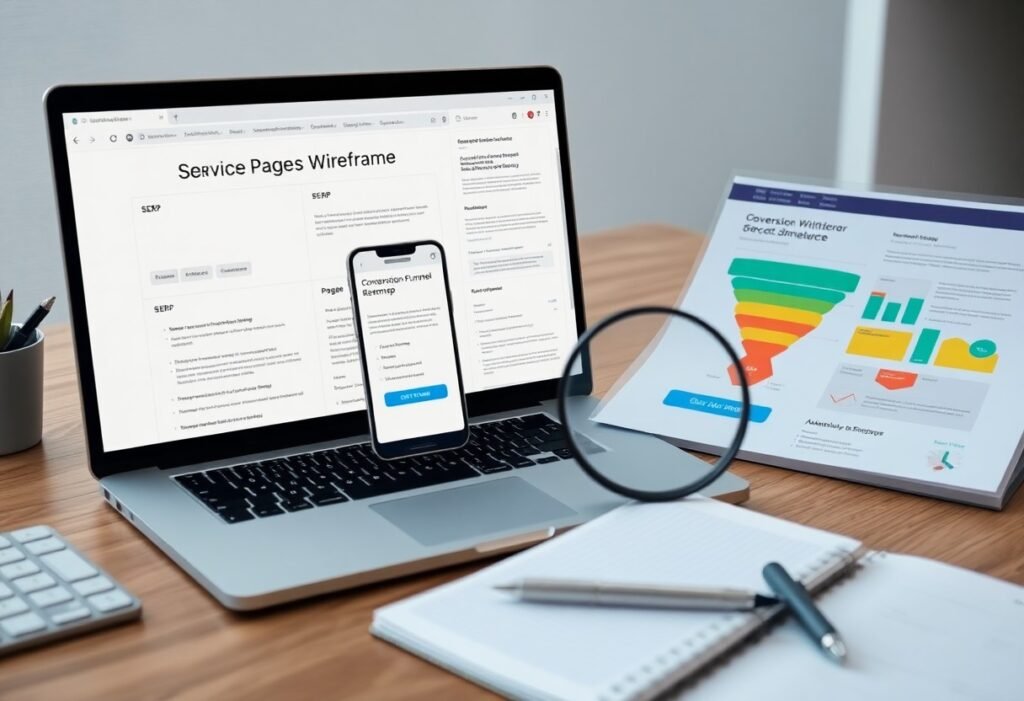

Over time, you must continually update local signals because search algorithms shift and rankings can drop, listings grow stale, and competitors advance; ongoing work secures increased visibility and leverages local intent to keep customers finding you.
Why local SEO is a dynamic landscape
Changes in local signals, ranking factors, and competition mean you must continually adapt to protect and grow your visibility in local searches.
Search algorithm and SERP feature changes
When search engines roll out algorithm updates or new SERP features, you need to adjust listings, schema, and content to avoid losing map and organic placement.
Shifting user behavior and mobile-first trends
As users move to mobile and expect instant answers, you must prioritize speed, concise content, and local intent to capture nearby customers.
Mobile users expect fast pages, clear directions, and immediate trust signals; if your site is slow or lacks accurate hours and reviews, you risk losing foot traffic and online conversions. Focus on AMP, responsive markup, local schema, and review management so you can convert searches into visits and protect your revenue and reputation.
Key local ranking factors that evolve
Changes in local search mean you must monitor rankings, citations, and reviews to maintain visibility. The factors below shift often and require ongoing optimization from you.
- Google Business Profile
- Local citations
- Local links
- Reviews
- On-page signals
Google Business Profile signals and attributes
Profiles that show accurate NAP, hours, and services help you appear more often in local packs; you must update attributes and solicit reviews to stay competitive.
Local links, citations, and relevance signals
Links and consistent citations improve your relevance and authority; you should build local partnerships and fix NAP discrepancies to boost rankings.
Furthermore, you should audit backlinks and citations regularly: prioritize high-quality local links, fix inconsistent citations, and remove or disavow spammy links that harm rankings; strong anchor text and relevant directory placements amplify your local authority.

Technical and on-site signals requiring upkeep
Ongoing technical checks ensure your site stays indexable and reliable; you must monitor server uptime, XML sitemaps, redirects, and broken links to prevent indexing issues and lost local visibility.
Site speed, mobile UX, and crawlability
Faster pages and clean mobile flows matter; you should optimize images, minimize scripts, and verify mobile UX so bots can crawl and users convert without frustration.
Structured data, NAP consistency, and schema updates
Consistent listings and fresh schema signal legitimacy; you must keep your NAP consistency and structured data accurate to avoid misaligned citations and ranking drops.
When you audit structured data, focus on key schema properties-LocalBusiness, name, address, phone, geo, openingHours, sameAs-and ensure markup matches the visible NAP on-site and your Google Business Profile. Small discrepancies (formatting, old numbers) can trigger duplicate listings or loss of rich results. Use Google Search Console, Rich Results Test, and citation trackers to find and fix errors, and update schema versions when standards change to maintain map-pack visibility.
Local listings and reputation management
Maintain consistent listings across platforms and actively manage your online reputation to protect visibility. You must fix incorrect info, claim profiles, and monitor mentions; inaccurate listings and unaddressed negative reviews can cost local traffic while verified, positive profiles improve discoverability.
Reviews, responses, and sentiment monitoring
When you track reviews and respond promptly, you shape customer perception and local rankings. Responding to praise and addressing complaints shows care; timely, professional responses reduce damage from negative sentiment and encourage more reviews that boost search visibility.
Citation accuracy and aggregator synchronization
Also ensure your NAP (name, address, phone) is identical everywhere; discrepancies confuse customers and search engines. Use data aggregators and local directories to sync entries, because inconsistent citations erode rankings and misdirect potential visitors.
Ensure you run regular citation audits, correcting duplicates, old addresses, and mismatched phone numbers across major aggregators (Data Axle, Neustar, Factual) and niche directories. Implement structured data and use a synchronization tool or aggregator feeds to push updates; proactive synchronization prevents listing fragmentation, lost calls, and ranking drops while streamlining long-term maintenance.
Measurement, testing, and iterative optimization
Measure ongoing performance with analytics and on-the-ground signals so you can spot declines fast. Use call tracking, footfall data, and conversion rates to see what moves the needle and prevent costly traffic loss.
Local KPIs, attribution, and analytics setup
Set clear local KPIs-visits, calls, bookings-and configure attribution so you see which listings and campaigns drive results. Link your CRM and Google Analytics to avoid reporting blind spots and protect accurate revenue attribution.
A/B testing, experiments, and continuous audits
Test homepage copy, landing pages, and local schema to find what increases conversion; run experiments long enough to avoid false positives and prevent decisions that harm traffic. Use regular audits to keep listings consistent.
Iterate by prioritizing tests with the highest expected impact and lowest effort: swap images, tweak CTAs, and vary NAP formats across locations. You should track variation-level conversions, control for seasonality and sample size, wait for statistical significance, and avoid overlapping tests so your results produce reliable, actionable wins.
Long-term content and link strategies for locality
Sustained content and link programs keep your local presence relevant. You should publish evergreen neighborhood guides, refresh seasonal pages, and maintain citations while building topical, local links from nearby outlets to protect and grow rankings over time.
Community-focused content and localization
Neighborhood content connects you to residents: you should localize pages, publish event recaps, and spotlight landmarks and small businesses to increase relevance and community trust.
Partnerships, local PR, and acquiring topical links
Forge relationships with local organizations, journalists, and suppliers so you can earn topical links and mentions; prioritize quality placements that signal relevance and authority.
Strategically align outreach so you co-create content, sponsor events, or provide data and expert quotes that reporters use; you should prioritize relevance over quantity, focusing on local media and niche blogs because local media mentions carry high value. Always vet partners and avoid low-quality directories, since harmful links quickly erode trust and rankings.
Conclusion
Ultimately you must continually refine local SEO because search algorithms, competitor activity, and customer behavior change; ongoing optimization ensures your business stays visible, maintains accurate listings and reviews, and converts local searches into reliable traffic and leads.