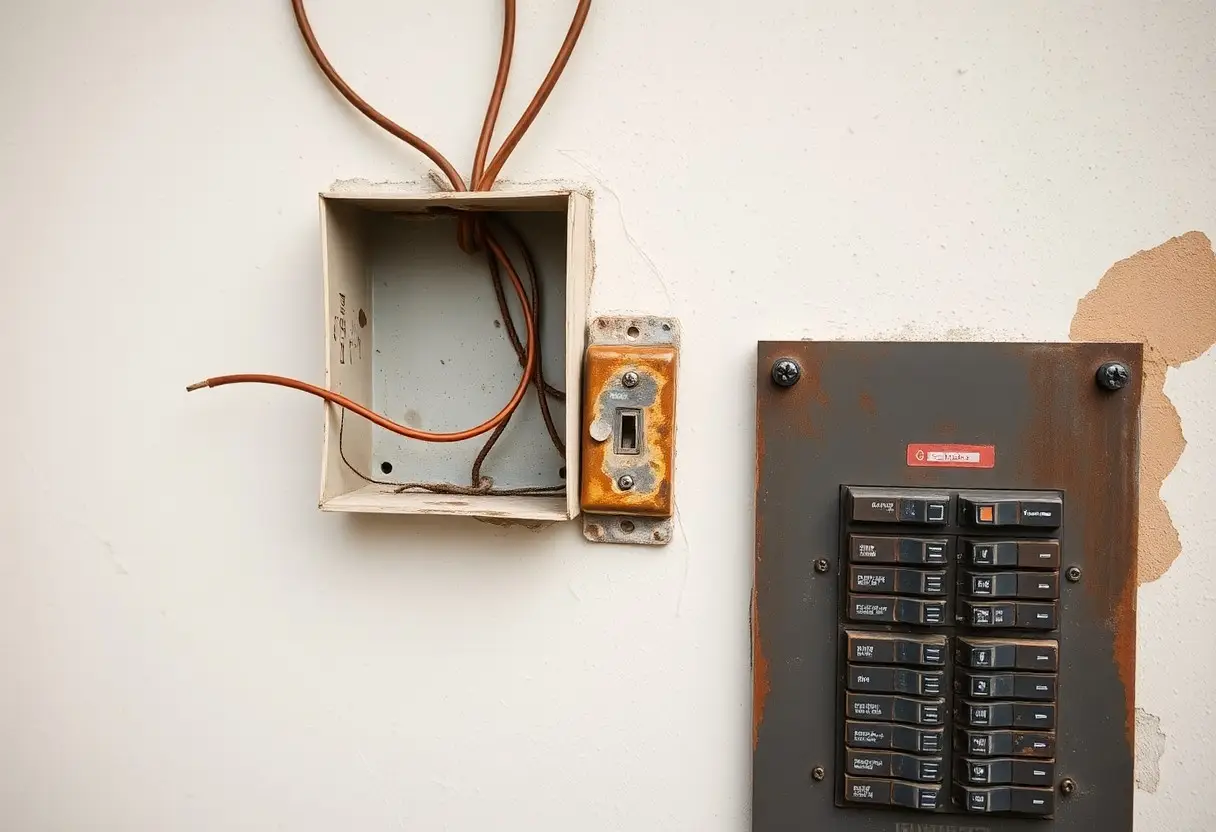
Problems with exposed wiring, frequent tripping breakers, or burning smells mean you must act fast to avoid electrical shock and fire risk; you should contact a licensed electrician to diagnose hazards, inspect outlets and panels, and protect your family while also preventing costly repairs by addressing issues early.
Recognizing Emergency Electrical Hazards
When you notice buzzing outlets, warm faceplates, or a persistent burning smell, treat the situation as an emergency. Visible signs such as sparks, smoke, discolored wiring, or charred insulation indicate overheating or arcing that can ignite within minutes. Electrical faults contribute to roughly 13% of U.S. home fires, so acting quickly – shutting off affected circuits and contacting a licensed electrician – protects your home and family.
Sparking, burning smells, smoke, and visible damage
When a plug emits sparks or you detect a burning odor, don’t keep testing the outlet. Shut off the circuit, unplug devices if safe, and if you see smoke or flames evacuate and call 911; then contact an electrician. Common examples include a vacuum sparking on insertion or a baseboard heater melting nearby wiring, both of which demand immediate professional inspection.
Repeated breaker trips, frequent flickering, and power surges
If a breaker trips repeatedly-more than once or twice a month on the same circuit-or lights flicker when the HVAC or microwave cycles, you likely have an overload, short, or loose connection. Power surges that damage electronics or reset smart devices point to unstable voltage or inadequate surge protection. Call a licensed electrician before DIY fixes magnify the hazard.
Investigations often reveal overloaded circuits, shared neutrals, or loose bus-bar connections that create heat and arcing; in one local inspection a homeowner had daily trips until a loose neutral at the panel was tightened. Your electrician can rebalance loads, replace breakers, or install AFCI/GFCI protection and whole-home surge devices; typical breaker replacement ranges from about $120-$350, while whole-home surge units and AFCI installations commonly run $200-$600 depending on panel access.
Outlets, Switches, and Receptacle Problems
You should treat malfunctioning outlets, switches, and receptacles as immediate safety hazards because they often signal wiring faults, loose connections, or overloads. Typical home circuits are 120V rated and use 15A or 20A receptacles; if you notice burning smells, flickering lights, or frequent breaker trips, you face an increased risk of fire or shock and should have a licensed electrician diagnose and repair the issue promptly.
Warm, discolored, or loose outlets and plugs
If an outlet or plug feels warm, shows brown or black discoloration, or allows plugs to wobble, that indicates high-resistance connections or arcing. You may see melting on the faceplate, hear buzzing, or experience intermittent power-signs that heat is degrading insulation and increasing fire risk. Shut off power to the circuit and call an electrician; continued use can lead to a house fire.
Lack of GFCI protection in wet areas
Wet-area outlets without GFCI protection expose you to potentially fatal ground-faults; the NEC requires GFCIs in kitchens, bathrooms, garages, outdoors, unfinished basements, and within about 6 feet of sinks. A properly functioning GFCI senses leakage of around 4-6 milliamps and trips to prevent shock, so missing or non-working GFCIs demand immediate replacement or installation by a qualified professional.
Test GFCIs monthly using the built-in “TEST” and “RESET” buttons-pressing TEST should cut power and RESET should restore it; if not, replace the device. Many older homes lack required GFCIs or have them wired incorrectly (protected downstream without labels), so have your electrician verify locations and wiring. Also note GFCIs protect against ground-fault shock but not necessarily arc faults, so consider adding AFCI protection where code and risk assessments indicate.
Wiring and Hidden Defects
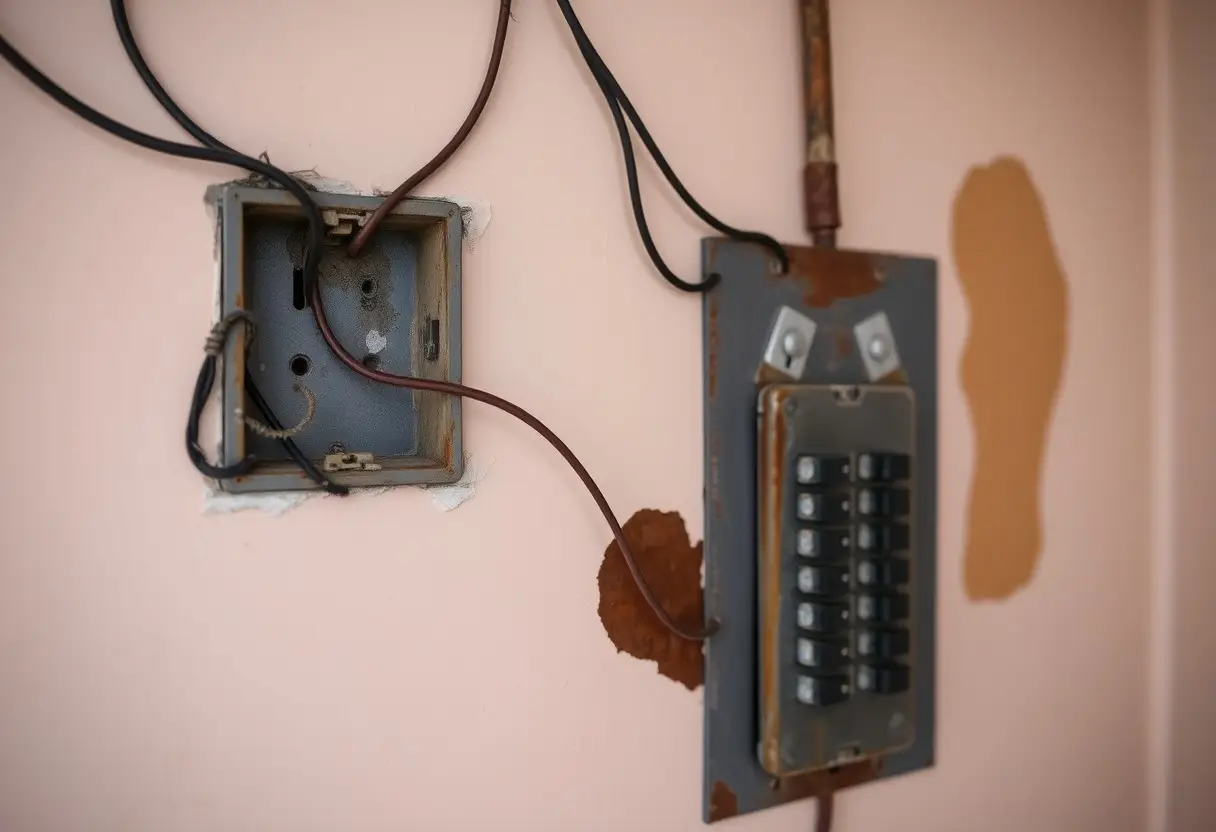
Hidden wiring defects like corroded splices, overheated connexions, and insulation breakdown often present as flickering lights, intermittent outlets, or a faint burning smell; if you see scorch marks, melting plastic, or repeated breaker trips, those are signs of imminent failure and fire risk. Homes built before 1950 commonly have knob‑and‑tube, while many from the 1960s-1970s used aluminum – both can be incompatible with modern loads and should be evaluated by a professional.
DIY, aged, or incompatible wiring (knob‑and‑tube, aluminum)
If you have knob‑and‑tube or aluminum wiring, live conductors may lack grounding, proper insulation, or safe termination, and DIY splices often lack approved connectors. Aluminum expands and oxidizes, loosens connections, and can overheat under today’s 30-60% higher household loads; knob‑and‑tube has no ground and spacing that makes modern junctions unsafe. Have a licensed electrician inspect and, when necessary, rewire or retrofit proper grounding and connectors.
Rodent damage, exposed conductors, and wire insulation failure
Rodents chew insulation, creating exposed conductors that produce arcing, short circuits, and shock hazards; you might notice bite marks, droppings near junction boxes, or outlets that spark. When insulation has failed, circuits can trip unpredictably and small arcs can ignite nearby dust or insulation, elevating the fire and electrocution risk. Isolate power to affected circuits and call an electrician immediately.
In attics, crawlspaces, and wall cavities you’ll often find the worst damage: mice and rats target flexible cable runs and service entrance conductors, then intermittency from arcing causes appliance damage and nuisance trips. An electrician will trace affected runs, replace compromised sections with properly rated, grounded cable or conduit, and recommend AFCI/GFCI protection plus physical rodent exclusion-sealing gaps and using conduit in high‑risk areas-to prevent recurrence and reduce insurance exposure.
Service Panel and Breaker Issues
Old or poorly maintained panels are a frequent source of hazards you can’t ignore: burning smells, frequent trips, visible corrosion, and loose connections often point to failing breakers or a worn bus bar. Many Davenport homes still have 60-100 amp services that struggle with today’s loads; upgrading to a 200 amp main is common when you add an EV charger, heat pump, or modern kitchen appliances. Addressing panel issues promptly reduces fire risk and prevents intermittent outages.
Buzzing, burning panel, corroded or sparking breakers
If you hear buzzing, feel heat at the panel door, or see sparks or brown scorch marks, shut off affected circuits and call a licensed electrician immediately. Buzzing often means loose lugs or arcing at 60 Hz and can precede a fire. Corroded breakers fail to trip when they should, so you might get intermittent power without a visible fault. Photographs of damaged breakers can speed diagnosis and replacement.
Undersized service, overloaded circuits, and improper modifications
When your main is 60-100 amps and you add high-draw equipment, circuits will trip or overheat; common offenders include central AC (30-60 A), ranges (40-50 A), and EV chargers (30+ A). DIY changes-double-lugging breakers, using tandem breakers where not permitted, or mixing aluminum and copper without proper connectors-create overloads, shared-neutral hazards, and unsafe connections that increase shock and fire risk.
In practice, if you add a 30 A EV charger to a 100 A service that already runs a 40 A range and a 30-50 A AC, you can exceed service capacity during peak demand, causing nuisance trips or hidden overheating at junctions. You should have a load calculation performed: an electrician will verify main ampacity, inspect for illegal modifications (shared neutrals, double-tapped breakers), and recommend upgrades such as subpanel installation or a service upgrade to 200 A when needed to support modern loads safely.
Grounding, Bonding, and Surge Protection
Improper grounding, missing bonding, and lack of whole‑home surge protection all raise your risk of electrical shock, fire, and expensive equipment loss. The NEC calls for a grounding electrode system (commonly two 8‑foot rods or equivalent), bonded service equipment, and SPDs meeting UL 1449 at the service or load center. When those elements are absent or degraded you’ll see nuisance tripping, damaged electronics, and dangerous touch voltages on plumbing or gas lines.
Missing or inadequate grounding and bonding
If your water pipe, gas line, or service neutral isn’t properly bonded you may get stray voltages on metal fixtures and appliances. Technicians often find single‑rod systems with >25 Ω resistance or loose bonding jumpers; both scenarios increase the chance of shock and electrical fire. You should have an electrician measure ground resistance, confirm the grounding electrode conductor continuity, and bond metal piping and equipment per code.
No whole‑home surge protection after storm or lightning damage
A nearby thunderstorm can induce surges that travel through service conductors and damage HVAC, TVs, and smart appliances; without a whole‑home surge protector (Type 1 or Type 2) those transient voltages get straight to your devices. After a visible strike you might not notice immediate damage, but surge protective devices often degrade and stop protecting over time.
Install a UL 1449‑listed SPD at the service entrance or main panel and check its status indicators after any storm; many SPDs are rated 20-50 kA and use MOVs that wear out. An electrician can test clamping voltage and replace a tripped or failed unit-typical installed costs run roughly $200-$600, which can save you from thousands of dollars in equipment replacement.
Local Code, Permits, and Immediate Actions in Davenport
When work requires a licensed electrician, permits, and inspection
For jobs like panel upgrades, adding new circuits, replacing a service mast, or installing 240V appliances, you must hire a licensed electrician and pull a permit from the City of Davenport; those projects require a municipal inspection to confirm compliance with the NEC and local amendments. Doing major work yourself can void insurance and create red flags during a home sale, and unpermitted work can result in fines or mandatory rework.
Safe interim steps to protect people and property before repairs
Shut off power to the affected circuit or the main breaker (homes typically have 100-200 amp service), keep people at least 10 feet away, and unplug appliances; if you detect smoke or a hot panel, evacuate and call 911. Use a non-contact voltage tester before touching anything, avoid DIY splices, and call a licensed electrician immediately if breakers trip repeatedly or you smell burning.
When you’re waiting for the electrician, label the tripwired breaker and write the time of incidents for the technician, avoid using extension cords for permanent loads, and don’t tape over a hot outlet-taping only masks heat buildup. If a breaker trips more than twice in a day, leave it off and inform the electrician; for wet-area issues, shut off the circuit and install temporary GFCI protection if available. These actions reduce fire risk and protect occupants until professional repairs and inspection occur.
Summing up
To wrap up, when you experience flickering lights, frequent breaker trips, burning smells, sparking outlets, hot switches, exposed wiring, or water near electrical fixtures in Davenport, you should shut off power if safe and contact a licensed electrician immediately; delaying repairs can put your home and family at risk, and proper inspection, replacement of faulty components, and panel upgrades will restore safe, reliable service to your property.