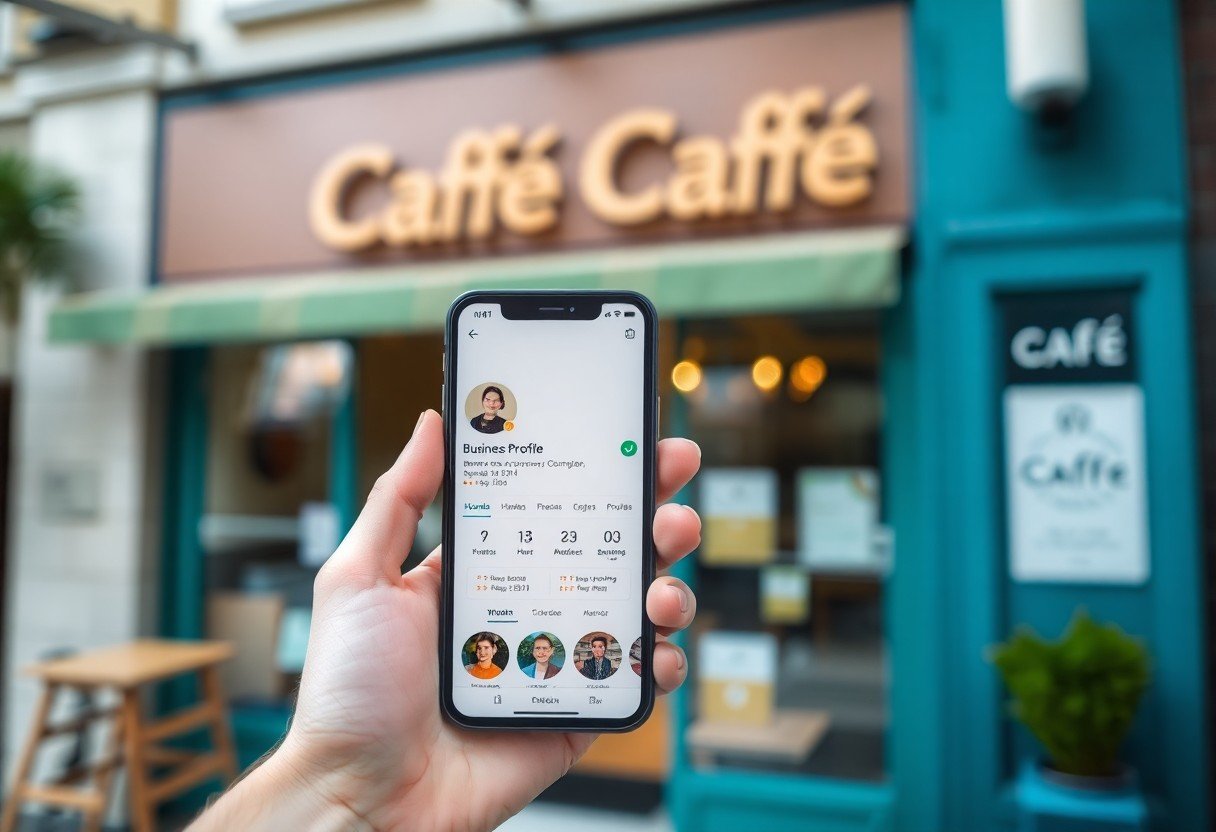
With consistent updates and engagement, you earn higher visibility, build customer trust, and prevent harmful listing errors that trigger penalties-so maintain accurate, current information to maximize Google rewards.
Google’s objectives and how Business Profiles fit
Understanding how Google’s objectives align with Business Profiles helps you prioritize signals that matter: accurate data, active engagement, and user feedback guide the algorithm to surface the best local options.
User intent and local search relevance
When you align your Business Profile with user intent, Google can match queries to your services, increasing local visibility and the likelihood users convert.
Platform trust, quality control, and spam reduction
Google values platform trust and quality control, so you strengthen rankings by verifying details, moderating reviews, and avoiding misleading or spammy content.
Additionally, Google enforces rules to protect users: when you maintain consistent NAP, complete verification, accurate hours, and clear service descriptions, you signal legitimacy. Conversely, spam and fake listings not only mislead users but invite removals or ranking penalties. You should proactively remove duplicates, respond professionally to criticism, and flag fraudulent activity to preserve both user trust and long-term search performance.
Signals Google rewards
Signals you send-edits, review replies, photos, and booking links-shape local relevance; Google rewards active, accurate profiles that generate clicks and calls.
Profile completeness, accuracy, and categories
Complete your profile with full hours, services, address, and images; you must pick the best primary and secondary categories, keep details accurate, and verify to prevent misclassification that hurts visibility.
Fresh content: posts, updates, and answers
Post short offers, updates, and Q&A often to show activity; you benefit because Google treats recent, relevant content as a signal of usefulness and boosts visibility.
Consistently publishing posts about promotions, events, and new products-plus answering customer questions and replying to reviews promptly-signals engagement; you should include images, clear CTAs, and accurate timestamps so Google credits fresh relevance. Avoid long inactivity spans since stale profiles can lose ranking momentum.
Direct benefits for businesses
Active profiles give you immediate benefits: improved local visibility, easier discovery by customers near you, and faster indexing of updates, which leads to more foot traffic and online inquiries.
Improved visibility, Local Pack placement, and discovery
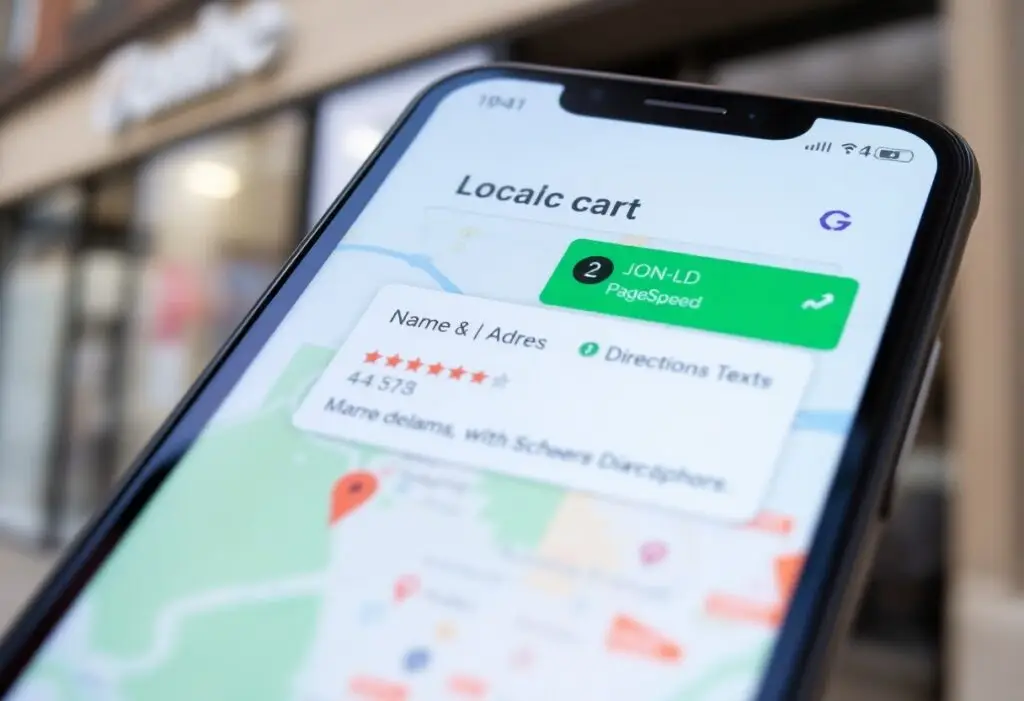
Visibility in Maps and Search increases when you keep hours, posts, and categories current, boosting chances to appear in the Local Pack and be found by nearby shoppers.
Higher trust, engagement, and conversion rates
Trust grows when you respond promptly, display photos, and showcase reviews, causing higher engagement and improved conversion rates from searchers to buyers.
Additionally, by highlighting verified details and engaging with reviews you reduce hesitation, increase click-throughs, and encourage repeat business through stronger credibility and timely responses.
How engagement influences ranking
Engagement shows Google how valuable your profile is; when you drive actions like clicks, calls, directions, and bookings, you send signals that can increase visibility, whereas low interaction or manipulation may trigger demotion.
Behavioral signals: clicks, directions, calls, and bookings
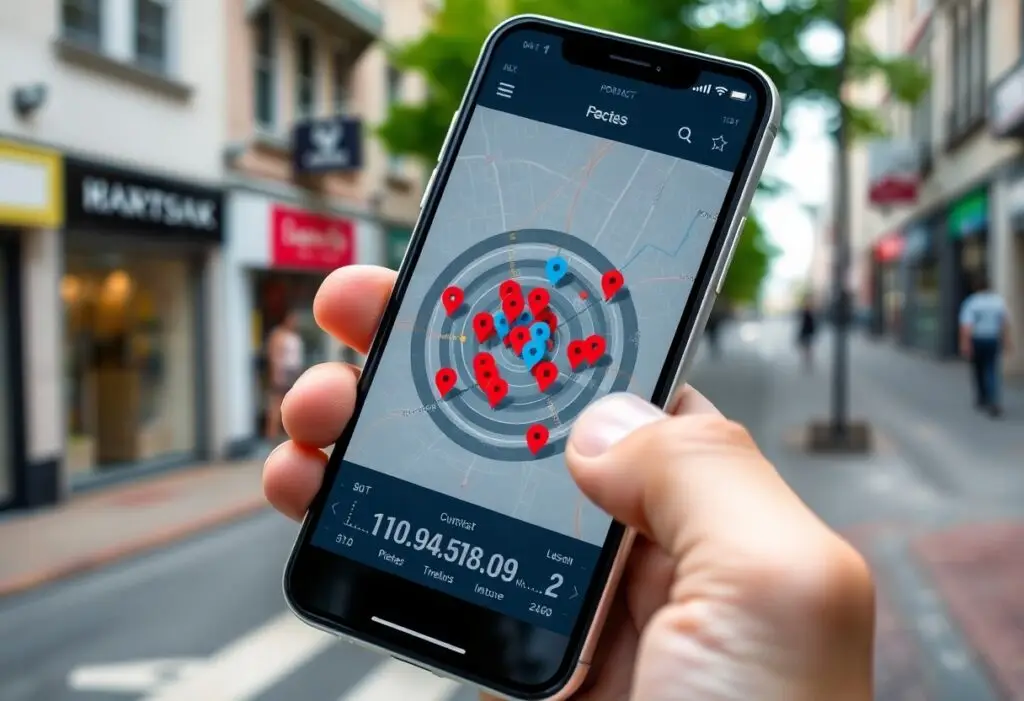
Clicks and directions demonstrate real interest, so when you prompt calls or bookings you reinforce relevance; consistent, measurable actions deliver a ranking boost, while deceptive or sparse activity undermines credibility.
Review signals: volume, recency, sentiment, and responses
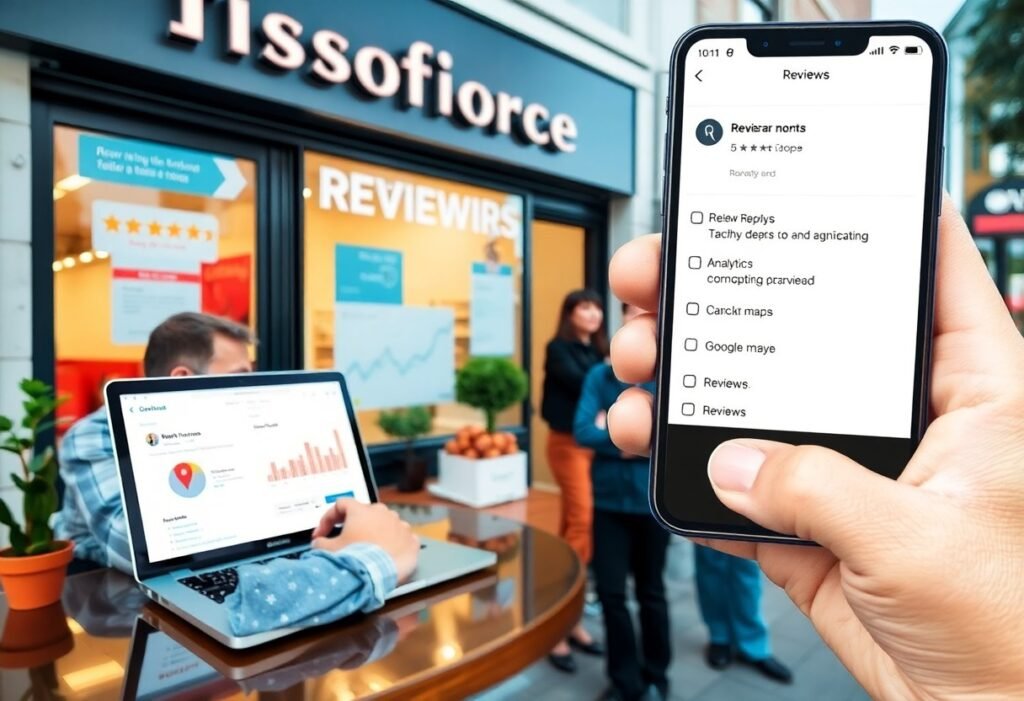
Reviews reveal customer experience; when you gather frequent, honest praise and reply quickly you amplify trust. High volume and recent positive sentiment raise visibility, while negative trends or ignored feedback erode authority.
When you analyze review patterns, focus on four elements: volume (how many), recency (how recent), sentiment (tone of feedback), and responses (your replies). Volume signals popularity, recency signals current relevance, sentiment affects perceived quality, and replies show engagement to Google. Encourage authentic, timely reviews, respond constructively to negatives, and avoid fake reviews-they risk penalties and reduced visibility. Implement templates, track trends, and turn feedback into operational fixes that improve rankings.

Practical actions to keep profiles active
Maintain a steady stream of activity on your Business Profile: post updates, add photos, and refresh offers weekly to signal relevance. Prioritize consistent posting, audit information regularly, and delegate workflows so listing neglect doesn’t harm visibility.
Content cadence: posts, photos, offers, and events
Schedule a predictable cadence you can sustain: short posts twice weekly, fresh photos weekly, timely offers, and event listings. That consistent cadence boosts local signals and helps you avoid long gaps that reduce visibility.
Review management, Q&A, and messaging workflows
Manage reviews, Q&A, and messages with a 24-48 hour SLA; fast, professional replies build trust and support ranking. Use templates but personalize responses to avoid canned tones; flag spam and escalate serious complaints to protect your reputation.
Implement a clear workflow that assigns owners, logs interactions, and routes complex issues to a human within 24 hours. Monitor Q&A for misinformation, use saved replies to maintain tone, encourage satisfied customers to leave positive reviews, and integrate alerts with your CRM so you can spot patterns and measure impact on local visibility.
Measuring impact and demonstrating ROI
Measure how Google Business Profile drives real outcomes by tying profile activity to sales signals like phone calls, direction requests, and bookings. You should track trends, assign value per lead, and present clear ROI to stakeholders.
Key metrics in Google Business Profile and Analytics
Track metrics such as views, searches, clicks, calls, and direction requests, plus sessions and conversions in Analytics. You should compare organic profile traffic with paid channels to assess incremental value and growth.
Testing, attribution, and reporting best practices
Use UTM tags, call tracking, and event-based goals to attribute profile-driven leads; set multi-touch attribution where possible and keep reports focused on high-value actions so you can show impact to decision makers.
Additionally, run controlled experiments-toggle posts, offers, or CTAs-and consider holdout groups to measure lift. Align UTM naming, set consistent conversion windows, and ingest profile interactions into your CRM to validate revenue. Favor data-driven attribution when sample sizes allow, and audit tracking regularly because poor tagging will mislead performance conclusions.
Summing up
Drawing together, you gain higher visibility, stronger customer trust, and increased leads because Google favors active Business Profiles with accurate information, regular updates, and timely responses-helping you convert searches into visits.