Over time you can dominate the Map Pack by optimizing your profiles and citations to capture high-intent leads; if ignored, you risk losing qualified local traffic, so you must prioritize reviews, proximity, and relevance for higher conversions.
What the Map Pack Is and Why It Matters
Because the Map Pack surfaces local businesses at the top of search, you get intent-driven clicks that convert faster than generic results. Focus your local SEO to win local market share and capture ready-to-buy traffic through optimized profiles and reviews.
Map Pack layout, signals and local ranking factors
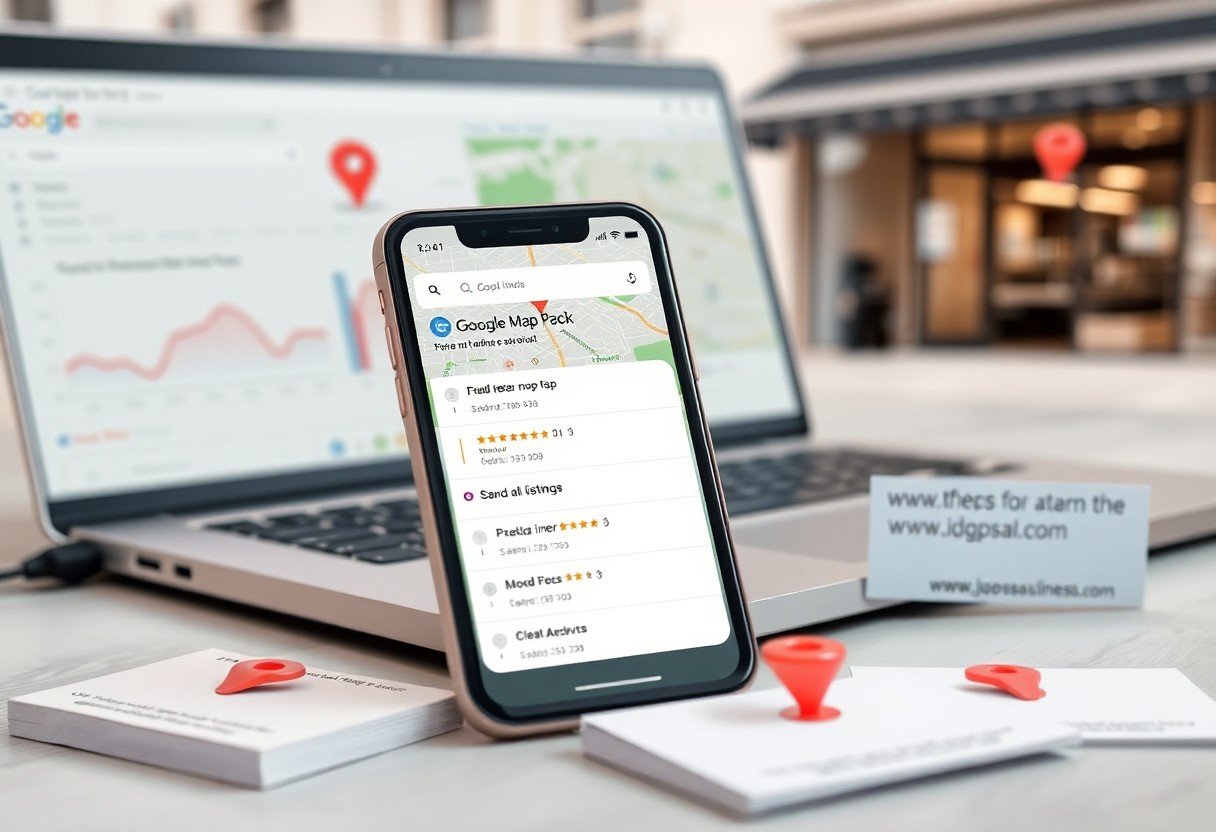
Sections show three local listings, a map, and contact info; ranking hinges on proximity, relevance, and prominence.
- Proximity
- Relevance
- Prominence
This dictates visibility and who sees your business first.
How Map Pack traffic differs in intent and value from organic
Compared with organic results, Map Pack traffic sends you higher-intent visitors who are nearby and often ready to act, boosting conversion rates for calls, visits, and immediate purchases.
Additionally, you should treat Map Pack clicks as near-term conversions: users frequently call, request directions, or check hours, so optimize entries for phone calls, clear CTAs, and accurate info; otherwise you risk lost customers and weak local attribution while proper optimization increases foot traffic and measurable ROI.
Identifying High-Intent Local Keywords
Identify local phrases that show buying intent-city modifiers, “near me”, and service-plus-action terms-so you attract searchers ready to convert. Prioritize keywords with strong local signals and clear transactional cues to optimize your Map Pack for lead generation.
Intent modifiers, transactional vs. informational queries
Distinguish intent modifiers like “buy”, “book”, and “near me” as transactional, while “how”, “what”, and “guide” mark informational searches; you should favor transactional queries in Map Pack efforts to capture users ready to act.
Tools and methods to discover and prioritize keywords
Use keyword planners, Google Autocomplete, local rank trackers, and GMB Insights to surface high-intent terms; weigh search volume, proximity relevance, and competition to prioritize keywords that feed your Map Pack strategy.
Leverage a workflow: seed keywords from services and locations, expand with intent modifiers, validate with search volume and CPC, audit competitor GMB profiles and featured snippets, then track local rankings and conversion rates. Focus on local intent and proximity, use CPC as a proxy for commercial value, and test and iterate to maximize lead quality.
Optimizing Google Business Profile & On-Page Signals
Optimize your Google Business Profile and on-page signals to align search intent and boost conversions; keep descriptions and images updated, embed local keywords, and link to relevant landing pages. Consistent signals drive Map Pack placement, while inaccurate info can drop visibility.
GBP categories, services, attributes and post strategy
Use precise GBP categories, list every service and enable relevant attributes to signal intent; publish regular posts with offers or updates. Accurate categories maximize relevance, and consistent posting encourages clicks from high-intent searchers.
NAP consistency, schema markup and local landing pages
Ensure your NAP matches across citations, implement LocalBusiness schema, and create dedicated local landing pages with geo-modified content. Consistent NAP prevents ranking loss, while schema increases visibility and landing pages boost conversion.
Additionally, audit citations with tools, standardize your business name/format/phone/address exactly across directories and your site, and implement JSON-LD LocalBusiness schema including name, address, phone, geo and openingHours. You should build separate, conversion-focused local landing pages per service-location with unique local content, reviews, internal links, and clear CTAs; mismatched NAP or missing schema reduces trust and rankings.
Building Trust with Citations, Reviews & Local Links
Trust forms when your citations, reviews and local links align; you attract high-intent leads by showing verifiable details and active reputation signals that searchers rely on.
Citation audits, authoritative directories and consistency
Audit your listings against authoritative directories, fix discrepancies and keep a consistent NAP to prevent ranking loss and customer confusion.
Review generation, response strategy and reputation management
Solicit reviews across platforms, encourage detailed feedback and respond quickly to show you value customers and to improve click-throughs from the Map Pack.
When you build a review program, ask at point of service and follow up with a brief, trackable link to Google, industry sites and social channels; train staff to solicit naturally and use short reply templates. Always do not buy or fake reviews-flag abusive posts, prioritize velocity and volume, and diversify review sources so you can mine feedback to improve offerings and boost local visibility.
Tracking, Attribution & Conversion Optimization
Effective tracking ties Map Pack visibility to real-world outcomes so you can invest where it matters. You’ll map clicks, calls and directions to revenue and refine pages to increase high-intent conversions while avoiding misattribution.
Metrics to track: calls, clicks, directions and revenue
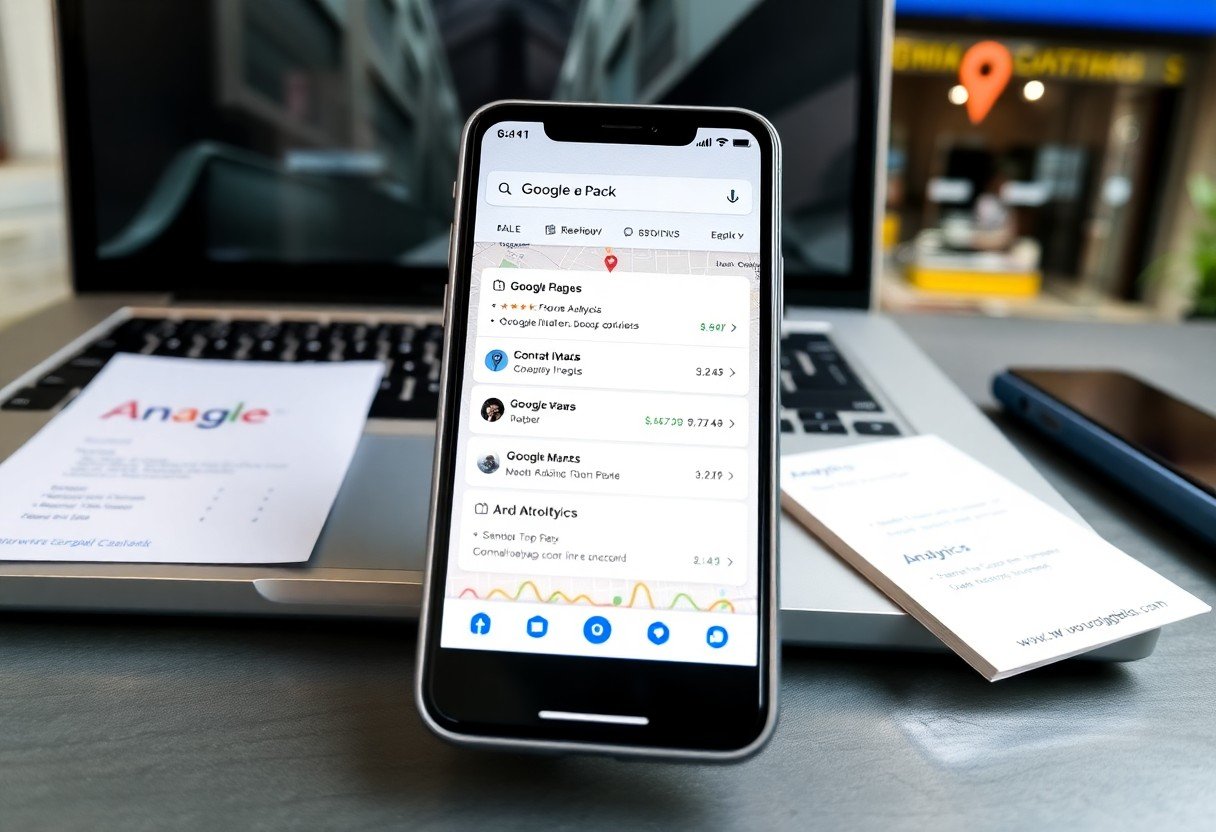
Track calls, clicks, directions and revenue to see which listings drive real business. Focus on calls and revenue as highest-intent signals, and flag drops in directions or clicks as potential visibility problems.
Call-tracking, UTM attribution and landing page CRO
Use call-tracking, UTM parameters and dedicated landing pages so you tie each lead to its source. Guard against broken UTMs or inaccurate call tracking, and measure how landing page CRO lifts conversion rates.
Implement session stitching, number pools and server-side UTM capture so you don’t lose source data across devices. Test landing page elements, and prioritize pages that generate high-value calls; fix leaks that cause lost leads quickly.
Final Words
On the whole you drive high-intent leads by prioritizing Map Pack SEO: optimize your Google Business Profile, target local keywords, solicit quality reviews, and maintain consistent NAP and citations to appear prominently for users actively seeking your services.