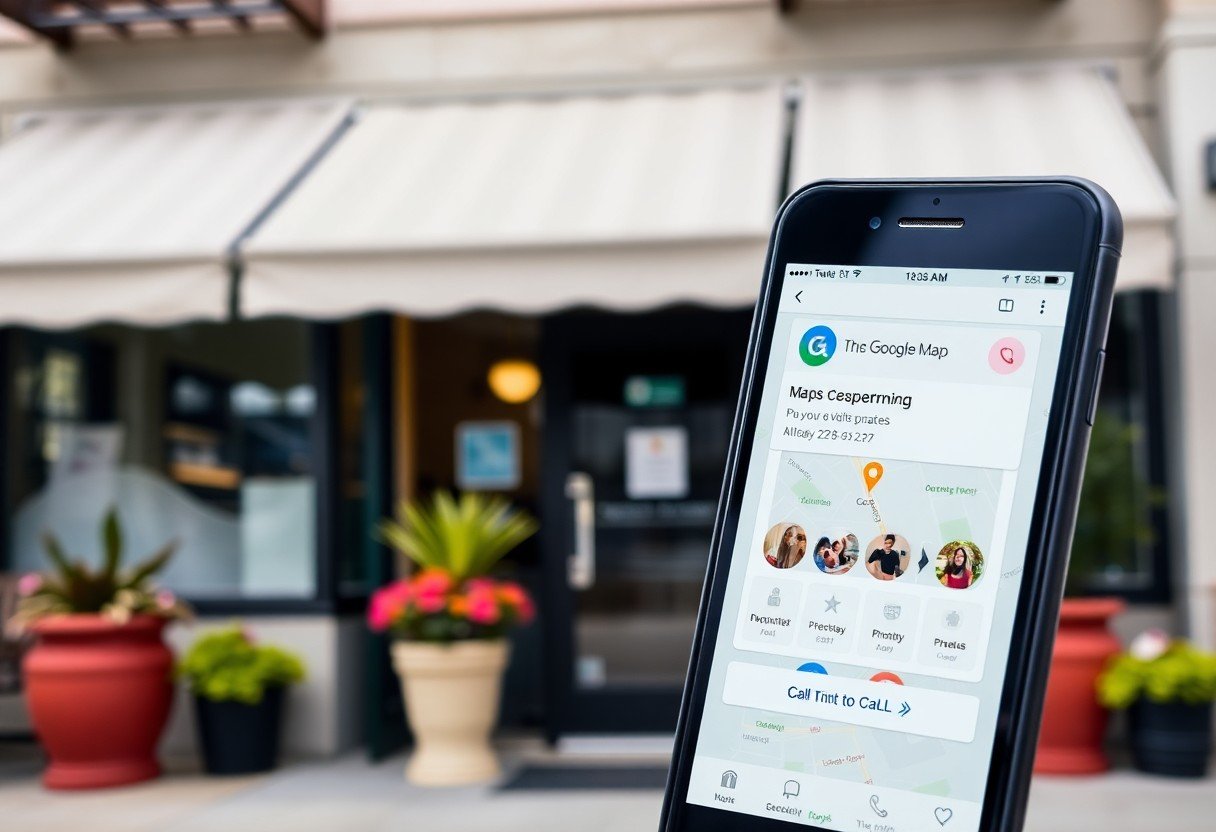
You shape local trust instantly: a polished listing and quick responses boost visibility and conversions, while poor photos or ignored reviews drive customers away; optimize your profile, reviews, and responsiveness to secure lasting local advantage.
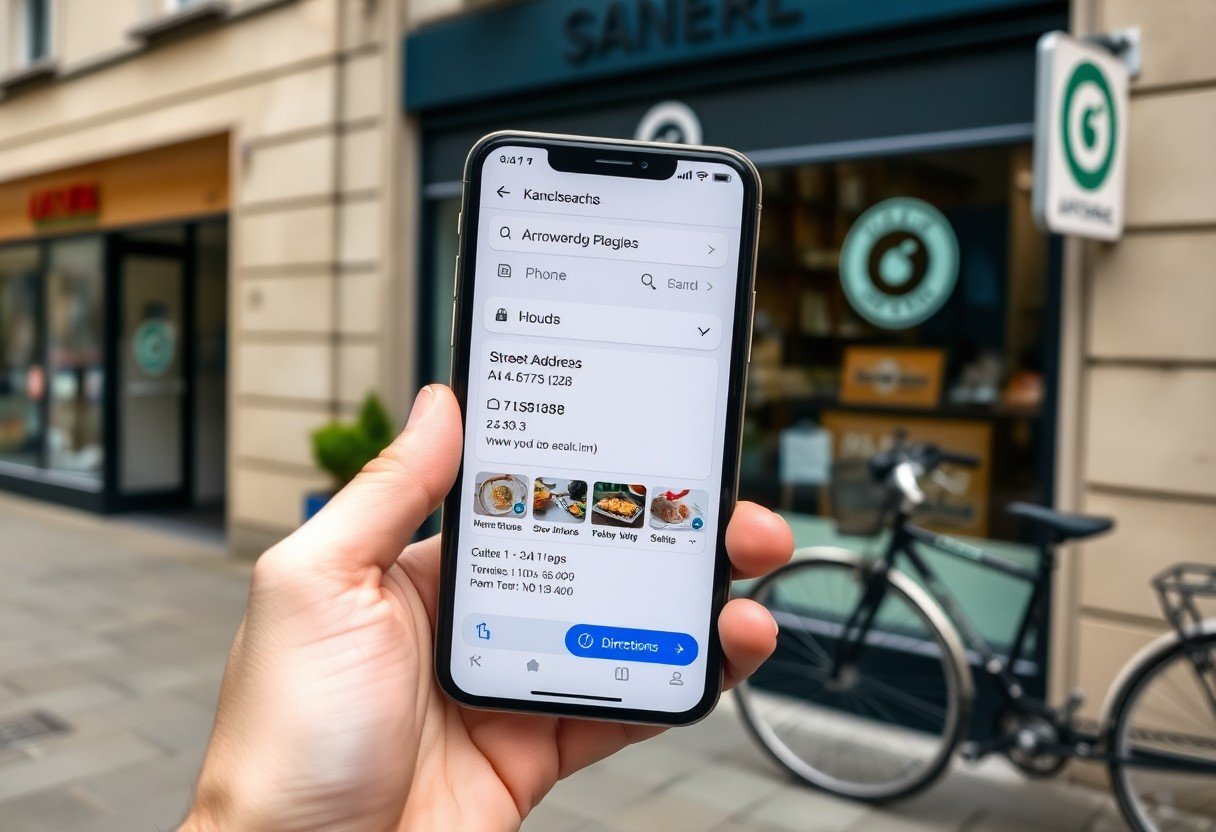
How first impressions form in local search
Signals from your listing, website, and backlinks combine into a split-second judgment. When you optimize photos, hours, and categories, you shape that impression. Users decide fast; ensure accurate info and clear branding so you convert attention into visits.
Search snippets, knowledge panels and map packs
Listings, snippets and map packs present a condensed version of your business to users scanning results. If you provide concise descriptions, quality images, and correct location data, you increase clicks; inaccurate or missing info causes you to lose trust and traffic.
Reviews, ratings and social proof
Ratings and reviews act as immediate signals of quality; you rely on them to choose. High star scores and recent positive reviews raise click-throughs, while negative feedback or low scores can quickly repel potential customers.
Responding to reviews is how you shape ongoing perception: encourage satisfied customers to leave feedback, ask for reviews at point of service, and reply promptly to praise and complaints. Address negative reviews professionally, offer solutions, and flag fake reviews through the platform. Well-managed social proof converts browsers into customers.
Listing elements that shape perception
Consider how listing elements shape your customers’ perception: images, descriptions, ratings and details form a first impression that can either boost clicks or send prospects away.
Photos, videos and visual presentation
Visuals show quality instantly, so you should use crisp photos and short videos to set expectations; poor images erode trust and reduce clicks.
NAP, hours, services and accuracy
Accuracy in your NAP, hours, and services prevents missed customers; keep information consistent across platforms to avoid no-shows and lost revenue.
Synchronize your listings regularly: mismatched phone numbers, hours, or service lists create friction and harm local ranking; use tools, citations, and audits to maintain trust and visibility.
User behavior and conversion effects
When users see a polished local listing, you get more engagement: higher CTRs that lead to calls and foot traffic; conversely, a weak listing causes lost customers and missed sales.
Click-through, calls and foot traffic
Better visuals and accurate info make you stand out in SERPs, increasing click-through and prompting more calls and foot traffic – the direct signals that show local intent.
Trust, intent and booking/purchase rates
Higher trust from consistent reviews, photos and hours means you capture intent, so you see higher booking and purchase rates instead of browsers who bounce to competitors.
Consistent management of reviews, up-to-date photos, and quick replies directly shape perceived reliability; when you address negative reviews, respond fast to inquiries, and present accurate pricing, you reduce doubt and increase likelihood of booking. These trust signals shorten decision time and convert casual searchers into paying customers, protecting you from revenue leakage.
SEO and algorithmic consequences
Algorithms watch how customers engage with your listing; weak first impressions reduce CTR and raise bounce, lowering local visibility. You should refine images, headlines, and snippets to boost dwell time and send stronger ranking signals.
Engagement signals that influence ranking
Clicks, reviews, and time on page shape how search prioritizes you; high CTR and longer visits favor higher placement. You should reduce bounce, encourage reviews, and make next actions obvious to amplify positive engagement signals.
Structured data and local relevance
Schema markup helps search understand your offering and local relevance; adding NAP, hours, and review snippets increases chances for rich results. You must ensure accuracy so searchers see consistent, trusted information.
Additionally, implement schema variants like LocalBusiness, Service, and Product to target specific queries; rich snippets displaying reviews or operating hours can dramatically increase clicks. You should audit structured data regularly and fix mismatches between schema and visible content.
Reputation management and recovery
Managing reputation demands constant attention: neglected complaints reduce local rankings and conversions. You should map review channels, assign response owners, and use monitoring tools to detect issues early. Prioritize actions that restore trust and preserve local visibility.
Soliciting, responding to and showcasing reviews
Proactively ask satisfied customers for reviews, train staff to request feedback, and showcase testimonials on your listings. You must respond to every review to build trust and signal engagement to search engines, which helps ranking and customer decisions.
Handling negative feedback and crises
When negative feedback appears, respond quickly, acknowledge specifics, and offer remediation publicly where possible. Ignoring issues lets harm spread and creates reputational risk; your tone and speed can convert complaints into loyalty.
Additionally, set your crisis playbook: designate spokespeople, draft templated responses, and escalate legal or safety threats immediately. Your quick, transparent action limits damage and protects customer trust and search rankings.
Final Words
Hence you must optimize your local listing, photos, reviews, and contact info to shape the rapid judgments customers make, since strong first impressions drive clicks, visits, trust, and measurable growth for your business.