
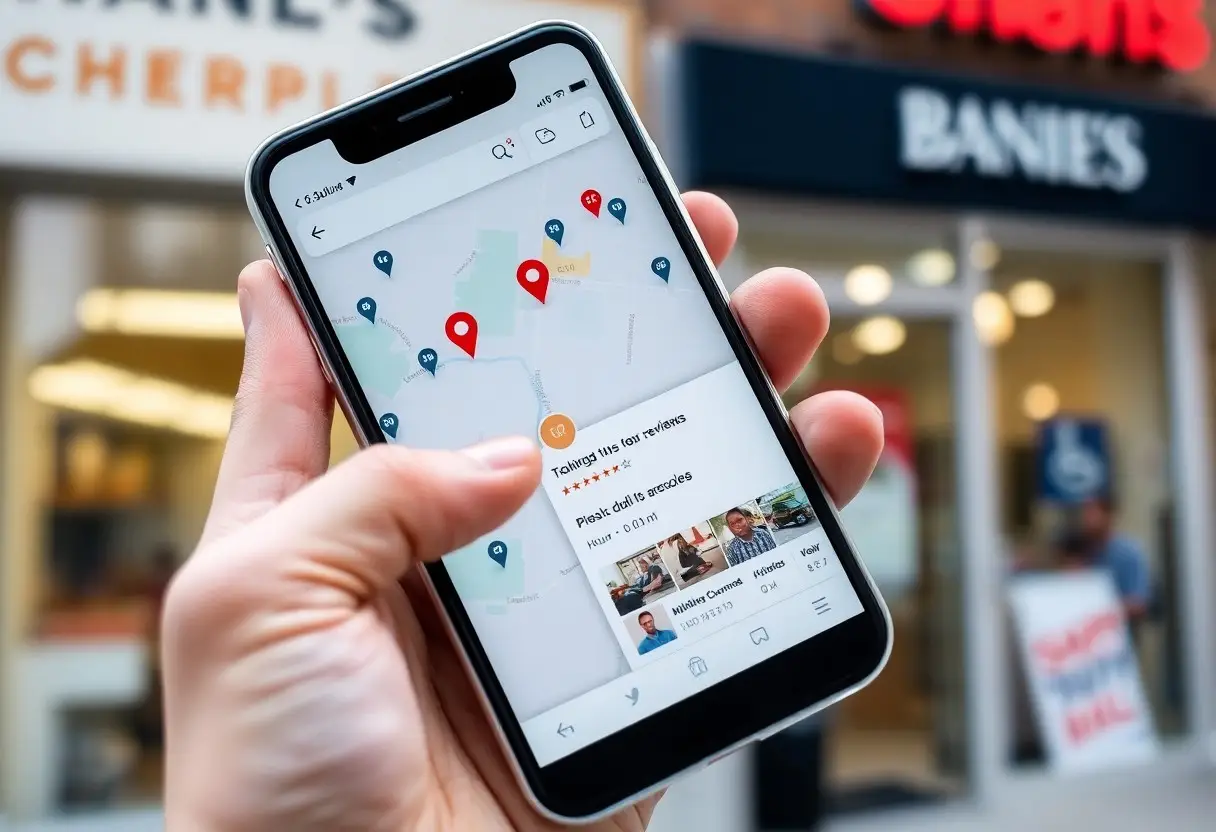
It’s tempting to expect local results based on distance, but you must weigh algorithmic signals, reputation and user intent; over-relying on proximity can harm visibility while a balanced approach boosts relevance.
Why Proximity Matters
Proximity influences local rankings by favoring nearby results, so when you search, engines often prioritize closer options that reduce travel friction and improve immediacy.
Local relevance versus user intent
While distance helps, you expect results tailored to intent; search should weigh business type, hours, and reviews so it matches your intent rather than just being nearby.
Limitations of proximity as a ranking signal
However, proximity can mislead you when relevant factors like specialties, availability, or reputation outweigh closeness, producing poor recommendations.
Additionally, algorithms that overemphasize distance may elevate nearby but low-quality listings, leading you to suboptimal choices and opening space for manipulation via fake addresses. You should expect models to balance distance with engagement metrics, reviews, and intent signals so rankings reflect true relevance, not just geolocation.
Other Key Local Ranking Factors
Consider that beyond proximity, search engines weigh several signals-category fit, on-site content, and reputation-so you must optimize each to improve local visibility.
- Relevance
- Categories
- On-site Content
- Prominence
- Reviews
- Ratings
- Citations
Relevance, categories, and on-site content
When you align categories, schema, and localized pages with user intent, search engines better understand your offerings and you attract more qualified local traffic.
Prominence: reviews, ratings, and citations
Ratings and mentions serve as trust signals; you should cultivate positive reviews, monitor ratings, and ensure consistent citations to strengthen visibility.
After you solicit feedback, respond to reviews promptly, address negative reviews professionally, and amplify positive reviews; inconsistent citations or ignored complaints can seriously harm your rankings and local reputation.

Behavioral and Engagement Signals
Behavioral signals reveal how users interact with local results; when you generate steady engagement, search visibility improves. Prioritize high interaction rates – clicks, calls and requests – since they signal relevance to the algorithm.
Clicks, calls, and direction requests
Actions such as clicks, calls, and direction requests tell the engine which listings matter to you; higher volumes of these behaviors boost visibility. Track and encourage call-to-action elements to lift your local ranking.
Dwell time and user interactions
Longer dwell time signals to search engines that users find your content helpful; when visitors engage, your chances of ranking increase. Optimize content so you drive meaningful engagement and reduce quick exits.
Additionally, you should treat dwell time as a quality metric: short visits often lower your placement while long sessions and interactions (scrolling, reviews read, map use) lift it. Improve dwell by speeding pages, using engaging visuals, placing key info above the fold, and prompting actions like calls or booking to keep users interacting.
Structured Data and Technical Signals
Technical signals like structured data, site speed, and mobile-friendliness help search engines understand and trust your site; you should implement Schema markup and fix errors to improve visibility without relying solely on proximity.
Schema markup, meta data, and site structure
Proper Schema markup, concise meta titles and descriptions, and logical site architecture help you present location and services clearly to search engines, improving rich results and click-through rates.
NAP consistency and local backlinks
Consistency in NAP entries across directories and high-quality local backlinks signal trust to search engines; you must audit listings and disavow harmful links to protect rankings.
When you standardize your business name, address format, and phone across platforms, you minimize listing fragmentation and boost local authority; actively pursue relevant local citations and links from trusted community sites to amplify visibility and repel competitors’ manipulative link tactics.
Practical Optimization Strategies
Refine your approach by focusing on measurable signals, local relevance, and user intent. Test changes in batches, monitor rankings and conversions, and weigh proximity against other indicators like citation consistency and review sentiment. Emphasize what moves metrics: accurate listings, positive reviews, and structured content.
Prioritizing signals based on business goals
Align signal priorities with revenue drivers: focus on services, locations, and keywords that map to your highest-margin offerings. Use A/B tests and dashboards to quantify impact, and treat negative reviews as high-risk signals to address quickly.
Content, review, and local listing workflows
Streamline content creation, review handling, and listing updates into repeatable workflows so you can scale accuracy and responsiveness. Automate citations, flag suspicious changes, and prioritize brand-consistent content.
Implement standardized templates for listings and posts to ensure NAP consistency and correct categories across platforms. Train your team to respond to reviews within 48 hours, triage negative feedback for escalation, and schedule regular audits to detect duplicate or incorrect listings that can harm visibility. Use automation for routine updates but keep human oversight for reputational risks.
Conclusion
To wrap up, proximity alone won’t determine your rankings; you must optimize relevance, content quality, backlinks, technical SEO, and user experience, while tracking intent and engagement signals to improve search visibility.