
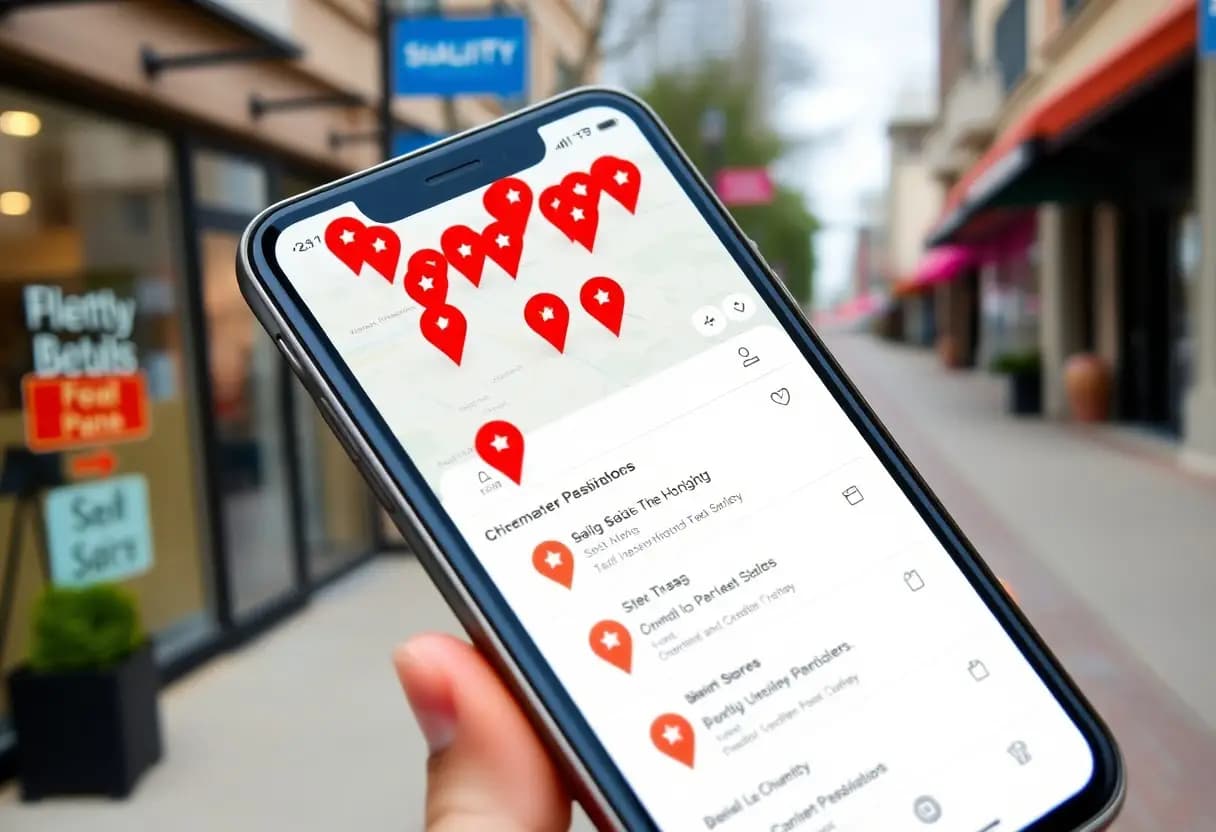
Many of your competitors optimize listings, ad spend climbs, and reviews sway rankings; you must prioritize accurate profiles, mitigate the risk of negative reviews, and leverage hyperlocal content to win.
Why Local Search Is More Competitive Than Ever
Competition in local search has skyrocketed: you face more businesses optimizing citations, reviews, and mobile experiences, so you must focus on verified listings, consistent NAP, and proximity signals to stay visible.
Growing consumer intent, mobile use, and proximity-driven queries
As mobile and voice use grows, you see more proximity-driven “near me” queries signaling immediate intent; optimize for speed, local keywords, and structured data to capture intent at point-of-search.
Crowded SERP real estate: local packs, ads, and rich snippets
Multiple SERP features-local packs, ads, rich snippets-now occupy prime space, reducing organic clicks; you must prioritize presence in these features or risk losing traffic.
Additionally, you should claim and optimize Google Business Profile, implement schema, encourage reviews, and test local ads-each action increases chances of appearing in local packs and snippets.
Search Engine Advances & New Features
Advances in search push you to optimize for more than keywords: you must manage listings, signals, and outcomes across evolving features to keep or gain local visibility.
Maps, local packs, business profiles, and rich results
Platforms like Maps and local packs put your offering front-and-center, so you must optimize business profiles and rich results to increase click-throughs and foot traffic.
AI, personalization, voice assistants, and contextual ranking
Advanced AI, personalization, voice assistants, and contextual ranking mean you must align content, signals, and intent to appear in more precise queries; relevance now beats generic SEO.
As these systems prioritize intent and context, you should focus on schema, consistent NAP, and accurate attributes so assistants and local packs surface your listing; neglect or outdated information can spread misinformation and rapidly damage trust, while well-structured, conversational answers deliver better placement and measurable increases in visibility.
Local Business Optimization Strategies
Optimize local visibility by aligning listings, site speed, and mobile UX; focus on consistent NAP, hyperlocal keywords, and measurable conversion triggers.
Google Business Profile, citations, and review management
Claim and verify your Google Business Profile, maintain consistent citations across directories, and solicit authentic reviews while responding quickly to protect rankings and customer trust.
On-site local SEO, structured data, and location pages
Structure location pages with unique copy, implement schema markup for NAP and hours, and use clear CTAs to improve visibility in local packs.
Implement unique, city-specific content for each location, add JSON-LD schema for address, hours, and geo-coordinates, embed maps and photos to build trust, and use internal links plus canonical tags while avoiding thin or duplicate pages that can severely damage local rankings and user confidence.
Paid Local Advertising Tactics
Paid local ads give you immediate visibility in crowded searches; prioritize high-intent keywords, tighten geo-targeting, and monitor performance daily so you capitalize on demand without wasting spend.
Local Service Ads, geo-targeted search ads, and shopping
Local Service Ads and geo-targeted shopping put you in front of nearby buyers; use Local Service Ads for trust signals, optimize listings for search intent, and exclude irrelevant ZIPs to prevent wasted clicks.
Budgeting, bidding strategies, and competitive differentiation
Smart budgeting balances reach and ROI: cap your bids on low-value terms, raise bids where conversion rate is high, and use negative keywords to maintain your profit margins in competitive neighborhoods.
Allocate budget by channel and neighborhood: you should set conservative daily caps for experimental geo-targeted campaigns, shift spend to ad groups hitting your target ROAS, and cut bids on high-cost, low-conversion terms to prevent overspending. Use bid modifiers for time, device, and proximity, run A/B tests, and tie bids to granular attribution so you outbid competitors only where it yields profitable conversions.
Measurement, Attribution, and Tools
Use measurement to connect online signals with real-world outcomes so you can allocate budget where it moves the needle; prioritize accurate attribution and tool integration to stay competitive.
Tracking calls, visits, bookings, and offline conversions
Track calls, visits, bookings, and offline conversions by mapping them to campaigns and using call-tracking numbers, visit counters, and POS integrations; this helps you prove ROI and optimize local spend.
Analytics platforms, UTM strategies, and multi-touch attribution
Leverage analytics platforms, disciplined UTM strategies, and multi-touch models so you can credit the right channels and avoid misallocating budget.
Dive deeper by standardizing UTM naming, enabling server-side tracking and first-party data capture, and connecting your CRM or POS to analytics. Use GA4’s event model, conduct controlled lift tests, and apply multi-touch credit carefully-otherwise you’ll face misattribution that can waste budget. Prioritize incremental testing and a single source of truth for reliable decisions.

Risks, Challenges, and Competitive Countermeasures
Facing intense local competition, you must deploy layered defenses and aggressive growth tactics: threat monitoring, reputation control, and scaled listings. Use automation, local content, and staff training to outpace rivals while preparing countermeasures for manipulation and platform rule changes.
Reputation management, spam, and listing hijacking
When fake reviews, spam, or listing hijacking appear, you need rapid detection, dispute workflows, and legal escalation to protect brand trust. Coordinate with platforms and document evidence to reclaim listings and deter repeat attacks.
Privacy, regulatory constraints, and platform dependency
Because data rules and platform policies vary, you must balance personalized local experiences with data protection and compliance. Prepare for audits, consent management, and the risk of deplatforming that can erase visibility overnight.
Additionally, you should treat privacy and platform dependence as operational risks: noncompliance can trigger GDPR fines or forced data deletions, while abrupt API changes or policy shifts can strip visibility. Implement consent management, data minimization, and vendor contracts; keep exportable backups of listings, diversify across platforms, and engage local counsel to adapt policies and respond to audits quickly.
Conclusion
Ultimately, local search is more competitive than ever, so you must optimize your listings, gather reviews, and target hyperlocal keywords to outperform rivals and capture nearby customers consistently.