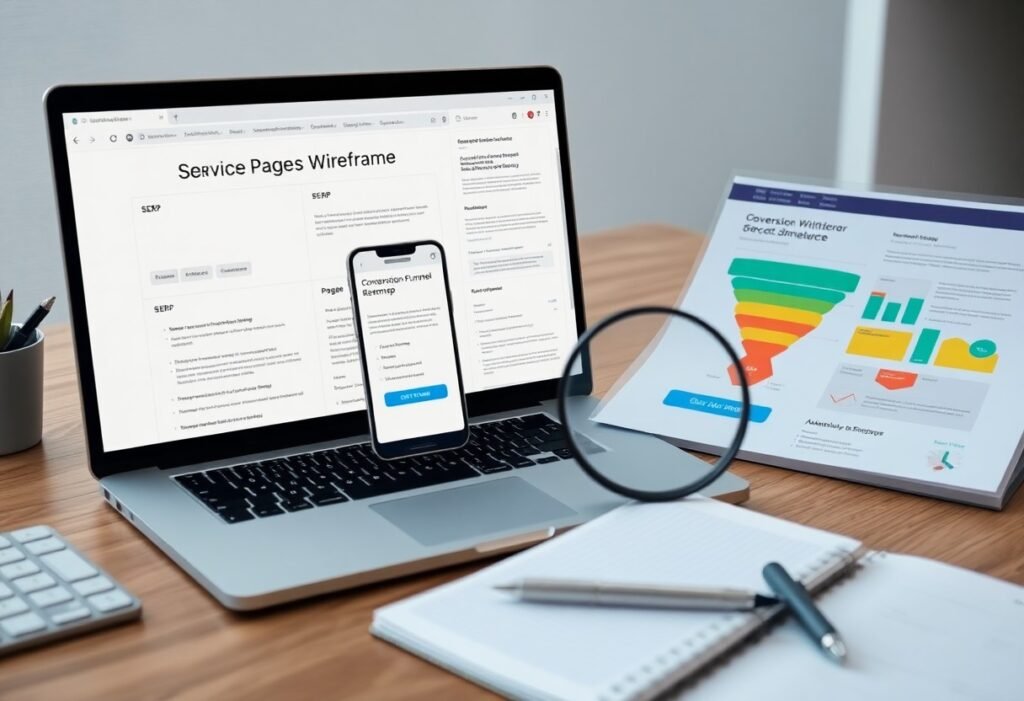
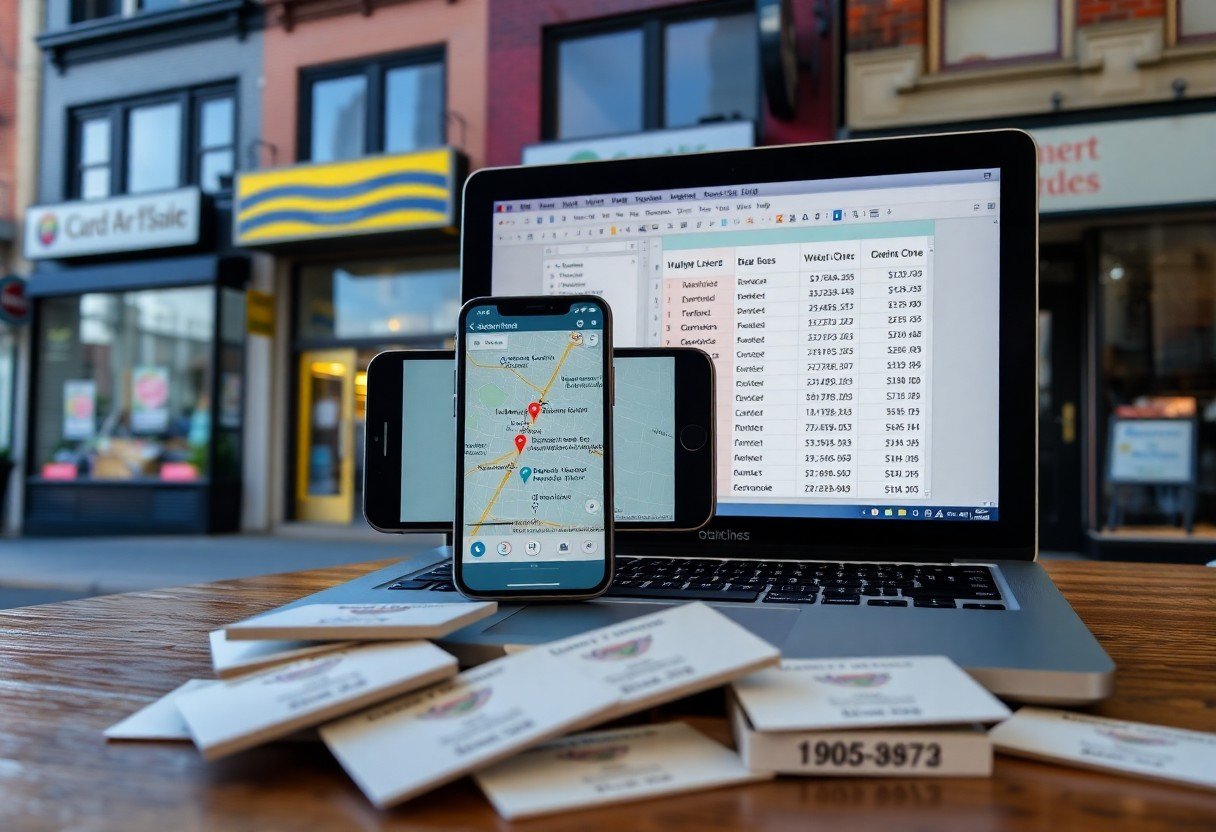
Overexpansion can dilute signals and confuse search engines; you risk keyword cannibalization, inconsistent citations, and thin local content. You must consolidate local pages, standardize NAP, and monitor reviews to regain visibility; ignoring this causes severe traffic drops but fixing structure yields measurable ranking recovery.
How multi-city setups hurt rankings
Multiple city sites scatter your SEO signals, causing keyword dilution, inconsistent NAP data, and weakened local authority so search engines struggle to assign relevance and you often see lower rankings across locations.
Technical fragmentation across sites and subfolders
Fragmentation forces you to manage multiple codebases, leading to inconsistent schema and broken links, which reduces crawl efficiency and damages user signals that search engines use to rank you.
Indexing, crawl budget and duplicate signals
Indexing issues mean search engines waste your crawl budget on repeated pages, creating duplicate signals that confuse ranking algorithms and prevent your most important pages from being indexed properly.
Additionally, you must audit sitemaps, canonical tags, robots rules, and URL parameters to stop low-value pages from being crawled; otherwise wasted crawl budget and indexed duplicates will bury priority content-use rel=”canonical”, noindex where appropriate, and centralize local content to consolidate authority.
Local presence and citation consistency
Ensure your locations use identical names, addresses, and phone numbers across platforms so search engines and customers trust you; inconsistent NAP across sources fragments authority and reduces local visibility.
Inconsistent NAP across directories and sites
When third-party sites show varied contact details, you generate conflicting signals that prompt search engines to downgrade citation reliability, costing you pack placements and local traffic.
Duplicate or improperly merged Google Business Profiles
If Google holds multiple profiles or merges listings incorrectly, you face confused customers and dropped rankings from diluted signals.
Fixing duplicates requires you to claim every entry, request merges or removals via Google Business Profile support, and standardize details; otherwise you risk suspended listings, lost reviews, and fractured SEO authority – audit directories and enforce consistency to restore correct attribution.
Content and on‑page localization failures
When location pages lack local language, offers, or relevance, you dilute ranking signals across cities and make pages appear generic; that reduces visibility and frustrates nearby searchers.
Thin, templated or duplicate location pages
Templates that reuse identical copy leave you with thin, duplicate pages search engines ignore and users abandon; you must add local services, staff bios, and reviews per location to recover visibility.
Missing local schema and unique local content
Schema omissions make it harder for you to signal address, hours, events or service to search engines, so rich local markup is vital to appear in local features.
Additionally, you should implement precise schema types (LocalBusiness, Service, openingHours) and pair them with unique local narratives – neighborhood tips, staff names, photos and localized FAQs – because misformatted markup or generic copy can strip rich results and lower rankings.
Site architecture and canonical strategy
Optimize your site structure so each city gets clear signals: logical folders, dedicated pages, and consistent canonical tags to avoid duplication and ranking dilution.
Poor URL structure and canonical misuse
Messy URLs and misapplied canonicals confuse crawlers and split authority; if you use generic paths or tag all city pages to one canonical, you erase local relevance and invite ranking drops.
Weak internal linking for location authority
Neglected internal links leave city pages isolated; you should link hub pages to local pages and use descriptive anchor text so location authority concentrates where it matters.
Structure your internal linking to funnel authority: build a city hub that links to each location page, add contextual links from service pages, and use localized anchor text rather than generic sitewide links. You should avoid linking every page to every city (which dilutes signals) and instead prioritize depth for priority markets; monitor internal PageRank flow and fix orphaned location pages.

Reviews, reputation and user signals
Reviews shape local perception; when you aggregate feedback across cities, local trust weakens and user signals lose weight, reducing your visibility where it matters most.
Centralized reviews diluting local trust
Centralized review streams remove the city-specific voices you need, so you struggle to show a strong neighborhood reputation and search engines detect less localized credibility, dragging down rankings in individual markets.
Low engagement, poor CTR and behavioral impacts
Low engagement and weak CTR tell search engines that users aren’t finding your listings relevant; when you get fewer clicks and short sessions, your local rank suffers from degraded behavioral signals.
Consequently, low CTRs, high bounce rates and short dwell times compound one another: search engines interpret these as negative relevance signals that reduce visibility in competitive city packs. You should track clicks, calls and direction requests to quantify impact, then focus on boosted local reviews, city-specific landing pages and optimized snippets and photos to restore local engagement and rankings.
Measurement, governance and scaling processes
Measurement exposes whether your local SEO moves the needle; without clear KPIs and scalable reporting you’ll waste effort on low-impact tweaks. Set KPI-driven dashboards and governance to protect rank and allocate resources efficiently.
Inadequate analytics and attribution for locations
When your analytics lump locations together, you can’t see which stores drive traffic or conversions. Implement location-level attribution and UTM practices so you can identify underperformers and optimize investments.
Lack of governance, SOPs and scalable workflows
Without documented SOPs and roles, your team makes inconsistent edits that harm rankings. Create scalable workflows, approval gates and a single source of truth to keep signals uniform across locations.
Governance breakdowns let small errors multiply: inconsistent NAPs, wrong categories, outdated hours and uncontrolled duplicate profiles create search signal confusion that drops rankings and misleads customers. You should centralize ownership, enforce templates, and introduce automated validation plus an audit cadence. Train local managers, require change requests with approval workflows, and track location KPIs so corrections are fast and measurable; these steps reduce risk and let you scale without losing local relevance.
Summing up
Now you lose rankings when inconsistent NAP data, duplicate or thin city pages, weak localized content, and fragmented reviews dilute relevance; audit citations, create unique city-specific content, consolidate listings, and build local links to restore authority.