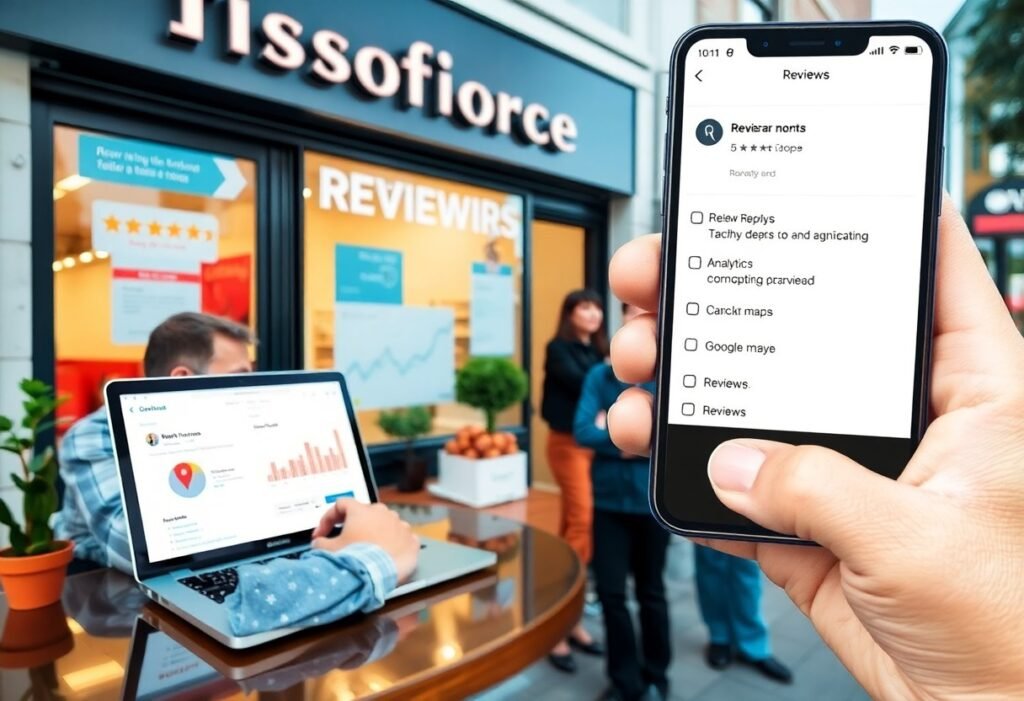
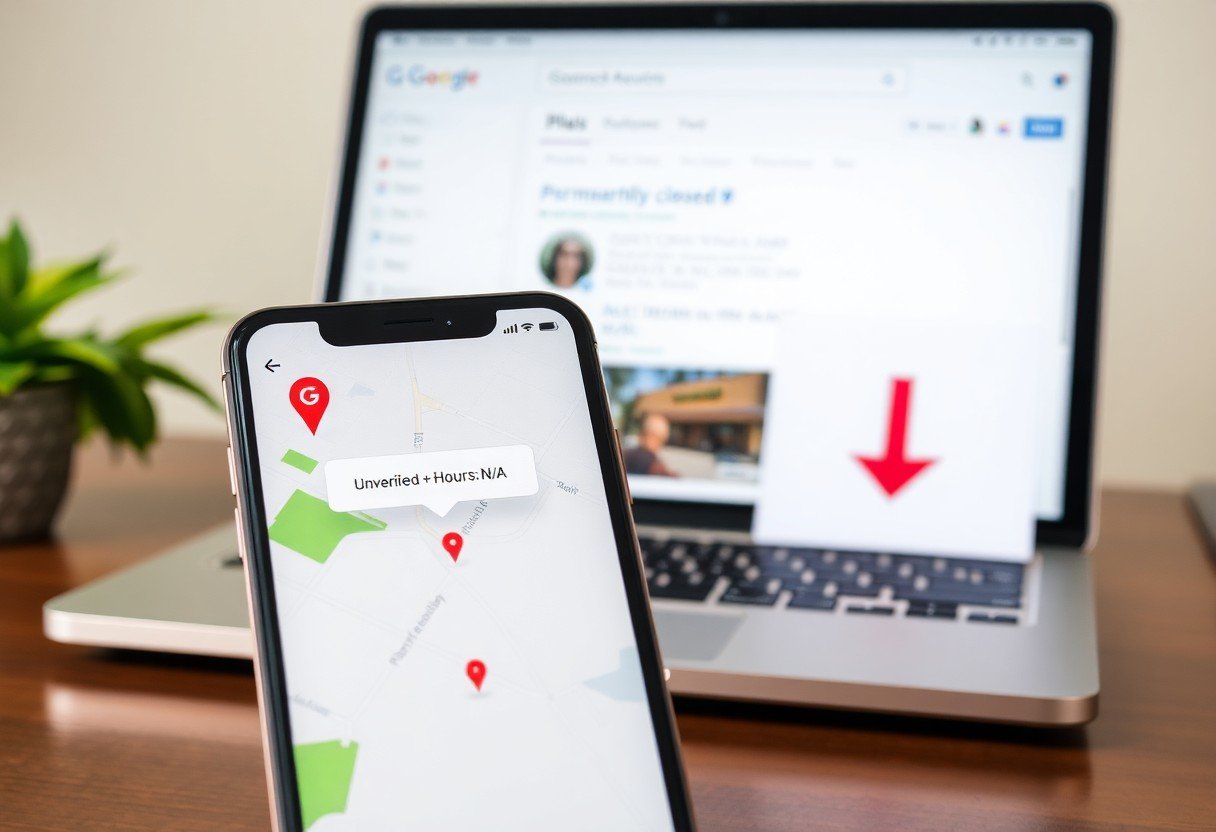
Most inactive listings damage your local rankings and confuse customers; they cause lower visibility and lost revenue, while reactivating them restores search authority and customer trust.
Causes of inactive listings
Several factors create inactive listings that directly harm your local SEO: closures, relocations, owner neglect, unverified entries, duplicates, and suspensions. These problems fragment your online presence and reduce customer trust, making accurate discovery much harder.
Business closures, relocations and owner neglect
When a location closes or moves and you fail to update listings, customers reach wrong addresses and call numbers. Owner neglect leaves outdated hours and incorrect directions, which directly lowers foot traffic and conversion rates.
Unverified, duplicate or suspended entries
If you leave listings unverified or accidentally create duplicates, platforms may suppress or suspend profiles. That triggers visibility loss and confuses search engines, so potential customers see inconsistent information and you lose clicks and calls.
Additionally, inconsistent NAP data, conflicting ownership claims, or past spam flags escalate manual reviews and algorithmic demotions. You must resolve duplicates, complete verification, and standardize details so search engines regain trust and your listings recover visibility.

How inactive listings harm search visibility
Inactive listings reduce your search visibility because they signal neglect to crawlers and users, lowering your chances to appear in local results.
Reduced indexing, crawl priority and local pack presence
When your listings go stale, search engines lower crawl priority and may stop indexing updates, shrinking your chance to appear in the local pack.
Lower relevance signals for map and organic results
Stale information weakens the relevance signals you send to maps and organic results, causing you to lose rankings for local queries.
Specifically, inconsistent NAP details, outdated categories, or missing hours make it harder for algorithms to match you to queries, and your engagement metrics drop as users bypass incomplete profiles.
Trust, user experience and conversion impact
When listings are inactive, you weaken trust, create confusing experiences and directly lower your conversion rates, so visitors leave before taking action.
Frustration, abandoned searches and lost customers
If searchers hit wrong hours, unreachable numbers or dead links, they abandon searches and you suffer lost customers and missed revenue.
Negative review signals and reputation erosion
Because failed visits and misinformation prompt unhappy users to leave negative reviews, you face damaged visibility and a tarnished reputation.
Additionally, negative reviews tied to inactive listings amplify behavioral signals that hurt rankings: lower click-through rates, reduced dwell time and fewer conversions. You should claim every directory, keep your NAP consistent, mark closures clearly and respond promptly to complaints to limit damage. Automated monitoring and regular audits help you detect and fix inactive entries before they become long-term reputation problems.
Local citation and data consistency effects
Inconsistent listings across directories dilute your local signals, causing search engines to question accuracy and lowering visibility for nearby searches. Inactive or conflicting entries harm trust and reduce local click-throughs, so you must keep data synchronized to protect rankings and conversions.
Conflicting NAP (name, address, phone) across directories
When your NAP differs between sites, search engines and customers receive mixed signals that can divert traffic and degrade local relevance. Uniform contact details ensure you capture local queries and avoid missed calls or visits.
Citation dilution and authority loss
Multiple stale or duplicate citations scatter your link equity and weaken the authority that supports local rankings, making it harder for you to compete. Consolidation and cleanup restore signal strength.
Eventually this dilution accumulates: old phone numbers, closed listings and unclaimed profiles feed aggregators with mixed data, confusing crawlers and reducing the value of each citation. You should audit citations, claim key profiles, merge duplicates and prioritize updates on high-authority directories; then monitor changes so your recovered authority translates into sustained local ranking improvements.
Recovery and remediation strategies
Begin by mapping inactive listings and prioritizing fixes that restore visibility; you should focus on high-traffic or incorrectly duplicated entries. Use audits to detect NAP inconsistencies and outdated categories, since inactive listings can cause lost traffic and lower rankings.
Claiming, verifying and updating listings correctly
Ensure you claim and verify each profile, supply consistent name, address, phone (NAP), and update hours, services, and images so searches reflect accurate status and trust signals.
Removing or marking permanently closed entries appropriately
Remove duplicates and mark closed locations as permanently closed in platforms that support it; this prevents confusing users and avoids search engines keeping stale records that hurt local relevance.
After confirming closure, you should update the Google Business Profile to permanently closed, remove or merge duplicate listings, and submit removal requests to major directories and data aggregators. Mislabeling open locations or leaving stale citations can severely reduce visibility, so keep an audit log and follow up until directories reflect the change.
Ongoing maintenance, monitoring and measurement
Maintain regular upkeep so your listings stay accurate; you monitor changes, resolve inconsistencies, and measure impact to prevent ranking drops and lost local traffic.
Audit cadence, alerts and ownership workflows
Schedule audits at a predictable cadence, configure alerts for edits or duplicates, and assign ownership so you respond quickly to data drift and incorrect listings.
KPIs and tools to track improvement
Track visibility, engagement, and conversion KPIs-impressions, clicks, calls-to show your progress and help you catch negative trends before they erode leads.
Use Google Business Profile Insights, local rank trackers and analytics so you can correlate listing changes with traffic and conversions; prioritize metrics with the largest ROI and set automated alerts for sudden drops.
Final Words
Now you must address inactive listings because they send mixed signals to search engines, fragment citations, and erode customer trust, lowering local rankings and visibility; keeping your listings accurate and active improves relevance, engagement, and the likelihood of appearing in local search results.