
Rankings rise when you actively reply to reviews; your replies signal engagement, boost local visibility and shield reputation, while ignoring feedback can reduce map prominence and harm conversions.
The role of customer reviews in local search
You gain tangible search advantage from reviews: they feed algorithms and guide user choices, boosting your visibility and perceived trustworthiness, while poor or fake reviews can sharply lower click-throughs and rankings.
Review signals: relevance, distance, prominence
When you optimize descriptions, ensure accurate location data and build local citations, the map algorithm rewards relevance, distance, and prominence-lifting your rank and increasing local impressions.
Trust and behavioral signals: clicks, calls, visits
As you prompt clicks, calls, and visits with clear CTAs and up-to-date info, those interactions function as strong trust signals that improve map placement and real-world conversions.
Encourage genuine engagement because Google measures actions like click-through rate, direction requests, call events, and visit confirmations; sustained high CTR and steady in-person traffic send powerful ranking boosts, whereas sudden spikes from manipulated or inauthentic activity risk penalties, so focus on accurate hours, quick responses, and straightforward booking or call links to grow natural signals.
How review responses influence map rankings
Responses you post signal to search engines that your business is active; timely replies boost local relevance and can nudge map algorithms to prefer your listing over inactive competitors.
Content freshness and keyword relevance
Freshness in responses shows activity; by using target keywords naturally and encouraging customers to mention services, you keep content relevant for local searches and improve map visibility.
Engagement metrics and review velocity
Velocity of incoming reviews combined with your reply rate affects how maps weigh relevance; higher review velocity and strong engagement signals-clicks, direction requests, calls-can push your listing upward in local rankings.
Consistent monitoring of your response time and interactions amplifies the effect; steady review flow signals trust while slow replies or ignored negative reviews can reduce user actions and harm your map positioning.
Best practices for effective review responses
Use brief, consistent replies that reinforce your brand and boost map signals; respond within 24-48 hours, acknowledge concerns, and offer a next step to encourage follow-up.
Tone, personalization, and timeliness
When you reply, personalize by using the reviewer’s name, match tone, and show empathy; respond promptly and never use defensive language, since timeliness and warmth build trust.
Strategic use of keywords and CTAs
Keep keywords natural-include local service and location terms, include a concise CTA, and avoid keyword stuffing to prevent penalties.
Also, mirror phrases from your Google Business Profile and website to boost relevance, vary CTAs (call, book, visit), and place primary keywords sparingly and naturally to improve ranking without triggering spam filters.
Operational workflows for consistent responses
Standardize your response flow with clear roles, timelines, and tracking so you deliver consistent replies that help local rankings; you reduce delays and ensure every review gets an informed answer.
Templates, training, and approval processes
Use templates to keep tone and facts aligned, train staff on brand voice, and set an approval path so sensitive replies are reviewed; this minimizes risk and keeps quality high.
When and how to use automation
Automate routine acknowledgments and factual updates, but gate any reply that involves complaints or refunds; you prevent errors while scaling responses and protecting your reputation.
Balance rule-based automation for routine tasks with human review triggers for sentiment, legal issues, or high-value customers; configure thresholds, monitor performance, and log audits so you catch misfires and maintain trust.

Measuring impact and tools
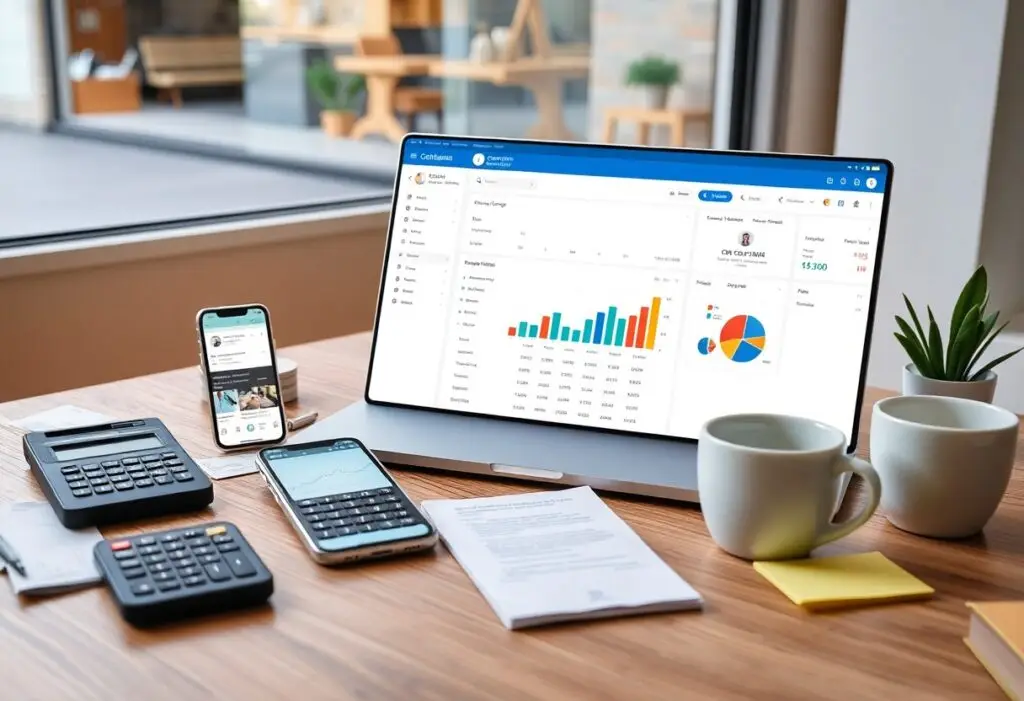
Track response impact with analytics to quantify how replies drive visibility and customer actions. You’ll watch for a lift in rankings, improved engagement, and incremental conversions as evidence your reply strategy works.
Key metrics: rankings, impressions, clicks, conversions
Focus on rankings, impressions, clicks, and conversions: you’ll use rankings to check placement, impressions for reach, clicks for interest, and conversions for revenue impact.
Platforms: Maps/GMB insights and third‑party analytics
Use Maps/GMB Insights for search-behavior signals and visibility, and third‑party analytics for detailed funnels, attribution, and multi-location comparisons; combine both to close attribution gaps.
Additionally, GMB reports queries, direction requests, calls, and website clicks but can show data gaps or reporting delays; you should pair it with UTM tagging, call tracking, and third‑party dashboards to capture precise conversion paths and measure true ROI.
Common pitfalls and legal/brand considerations
Ignoring negative feedback and overusing canned replies
When you ignore negative feedback or rely on canned replies, you alienate customers and signal inauthenticity. You should prioritize timely, personalized responses that address issues; rotation of templates helps, but avoid robotic language to protect trust and local rankings.
Privacy, defamation, and regulatory compliance
Ensure you never disclose personal data in replies and avoid repeating unverified allegations; mishandling can trigger defamation claims or regulatory penalties. Maintain an escalation path to legal counsel and documented policies to keep your map listings safe.
Additionally, you should redact or anonymize identifiers, obtain consent before publishing customer details, and train staff on data-handling procedures; failure to comply can lead to fines, takedowns, or reputational harm. Keep templates vetted by legal and update them for local laws to minimize exposure.
Summing up
Drawing together, when you respond promptly and helpfully to reviews you increase engagement, signal relevance to search algorithms, improve click-through and local trust, and encourage more customer feedback – all of which raise your map ranking and visibility.