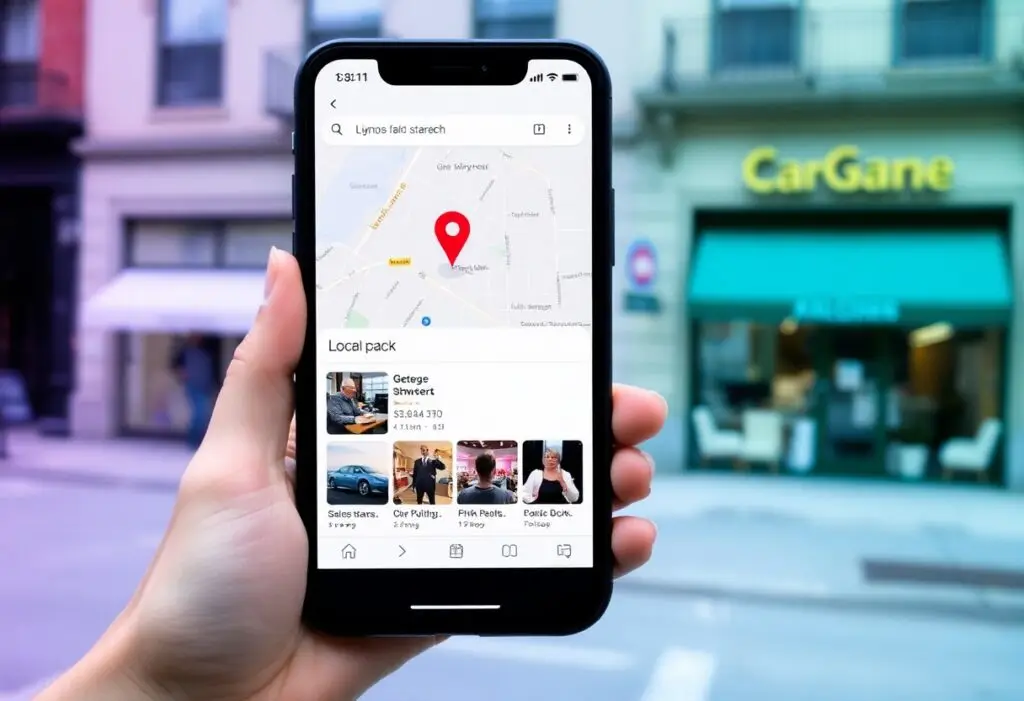
Over time, you may lose visibility due to fading SEO, neglected reviews, and rising competition; without ongoing optimization and local engagement, customers stop finding you.
Local SEO fundamentals
Maintain a steady focus on local SEO basics: optimize your Google Business Profile, keep citations and NAP consistent, use local keywords in titles and content, and add structured data. These fundamentals prevent slow visibility erosion and let you compete in local packs.
Google Business Profile, citations and NAP consistency
Optimize your Google Business Profile with complete categories, photos and updated hours; ensure every citation matches your NAP exactly. Inaccurate listings cause ranking drops and confuse customers.
On-site signals: titles, local content and structured data
Craft concise title tags, local landing pages and schema markup to signal relevance; use location-based keywords and structured data so searchers and engines map you to local queries.
Focus on clear title tags and H1s that include your primary location and service; create unique local landing pages for each area, add structured data (JSON-LD) for LocalBusiness, opening hours and geo coordinates, and embed a geocoded map so searchers know where you are. Avoid thin or duplicate content, which dilutes authority and kills rankings.

How visibility erodes over time
Gradually, your local visibility fades as signals weaken, citations scatter and search relevance slips; small neglect multiplies into lost traffic and customers, so ongoing upkeep prevents long-term erosion.
Listing decay: duplicates, outdated info and penalties
Often duplicates, outdated hours or mismatched addresses create confusion and trigger listing suppression or penalties, making it harder for you to be found even in nearby searches.
Algorithm updates, increased competition and platform changes
When platforms update algorithms or competitors invest in SEO and ads, you can see sudden rank drops and fewer clicks unless you adapt.
Additionally, algorithm shifts favor fresh signals-reviews, mobile speed and updated content-while platform redesigns alter visibility mechanics; you must audit listings, consolidate duplicates, boost review velocity and optimize pages so changes become opportunities for visibility gains rather than prolonged decline.
Technical and content degradation
Technical rot accelerates when you let software, pages, and metadata age without maintenance; search trust and local visibility suffer as errors multiply.
Site health: speed, mobile usability and security issues
Performance problems like slow pages, poor mobile rendering and insecure connections trigger higher bounce rates and penalty risks, so you must fix speed, responsive design and HTTPS.
Stale content, broken links and missing local schema
Content ages quickly: if you let stale content, broken links and missing local schema persist, you lose relevance signals and confuse search engines and customers.
When you audit this area, prioritize fixing broken links, restoring accurate NAP, and adding structured data for addresses and hours; these steps restore crawling efficiency and local rankings.
Reputation and customer signals
Reputation and customer signals shape visibility; when you lose steady engagement or reviews, algorithms downrank your business and customer trust erodes, reducing referral traffic, footfall, and local search prominence.
Declining review volume, ratings and sentiment
When review counts drop or star averages fall, you seem less relevant; platforms favor consistent positive signals, so declining sentiment often produces lower rankings and a steady loss of new customers.
Poor review management and customer experience gaps
If you ignore reviews, delay responses, or fail to resolve recurring issues, negative feedback accumulates and reputation damage compounds, pushing prospects toward competitors.
Consistently tracking reviews, replying promptly, routing complaints to your team, and fixing root causes lets you convert detractors and boost ratings; implement a response SOP, use sentiment tracking, and encourage satisfied customers to post – these actions deliver timely recovery and measurable lifts in search visibility and conversions.
External and market influences
Market forces-platform updates, ad auctions and broad trends-erode organic reach over time; if you don’t adapt, traffic and leads decline while paid placements gain dominance.
Competitors, aggregators and paid search crowding
Aggregators and competitors often outbid you in paid search and list on multiple platforms, pushing your profile down; you must optimize listings and campaigns to defend local visibility.
Local demand shifts, seasonality and demographic changes
Seasonality, economic shifts and demographic changes alter local search intent; if you ignore patterns, your services can become mismatched, reducing rankings and conversions.
Changes in population, commuting, incomes or even weather-driven habits require you to track local signals-Google Trends, foot-traffic data, review themes and sales-to adapt offerings, hours, inventory and keywords; proactively updating profiles and running targeted promotions protects long-term demand and visibility.
Recovery and long-term defense
Recovering visibility demands immediate remediation and sustained defenses so you can halt decline, restore rankings, and reduce risk of future listing issues.
Audits, prioritized fixes and listing reclamation
Begin with a full audit to find NAP inconsistencies, duplicate listings, and policy violations; then push high-priority fixes, reclaim or merge listings, and document changes for evidence if you must appeal.
Ongoing monitoring, content strategy and local link building
Maintain continuous monitoring, a steady local content plan, and targeted outreach so you build authority and make it harder for competitors or errors to push your listings down.
Consistently run weekly audits and set alerts for drops in impressions, sudden listing edits, or spikes in negative reviews so you can act fast on suspensions or misinformation; use rank trackers, citation tools, and backlink alerts, publish fresh local content and updates, and pursue authoritative local links via partnerships, sponsorships, and guest contributions to sustain recovery and growth.
Conclusion
Upon reflecting, you see that local businesses lose visibility over time because they neglect SEO, fail to engage customers, ignore reviews, and don’t adapt to market shifts; consistent online management, local link building, and timely updates restore and sustain visibility.