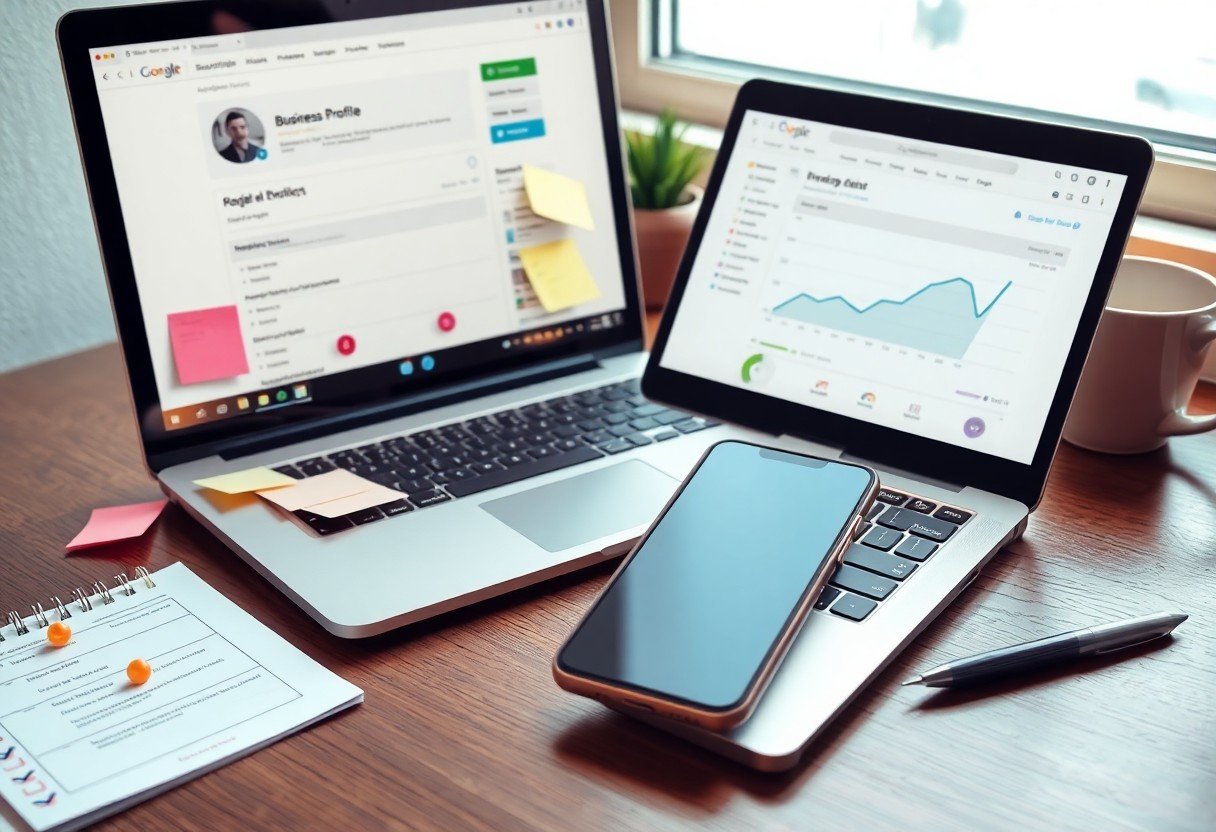
Over time you must update your Google Business profile: algorithm shifts and stale data can make rankings fall, while consistent optimization drives sustained visibility and new customers.
Why Google Business Optimization Is Ongoing
Ongoing maintenance means you must continuously tweak listings, posts, and Q&A to sustain local visibility; consistent attention prevents ranking declines and keeps customers finding you.
Algorithm shifts and competitive dynamics
When algorithms shift or rivals optimize aggressively, you need to test, update citations, and refine keywords to avoid visibility loss that costs traffic and revenue.
Changing user behavior and seasonal demand
Shifts in search phrasing and seasonal demand force you to tweak services, hours, and promotions so your profile stays relevant and drives consistent bookings.
Adaptation means you track search queries and GMB Insights to spot rising services or intent changes, then update categories, attributes, and posts; you should also adjust hours and run targeted seasonal campaigns. By monitoring analytics, quickly updating offerings, and testing promotions, you reduce the risk of missed bookings and keep your profile aligned with customer expectations.
Data Accuracy & Local Signals
Accuracy in your listings signals trust to Google and local searchers; if your NAP or hours differ across sites, you risk lower visibility and lost customers. You must monitor citations, reviews, and local signals to keep rankings steady and leads flowing.
NAP consistency, citations, and directories
Ensure your NAP is identical across directories, industry sites, and social profiles; inconsistencies confuse Google and customers, fragment reviews, and weaken local rankings. You must audit citations and fix mismatches regularly to maintain visibility and leads.
Photos, attributes, categories, and service areas
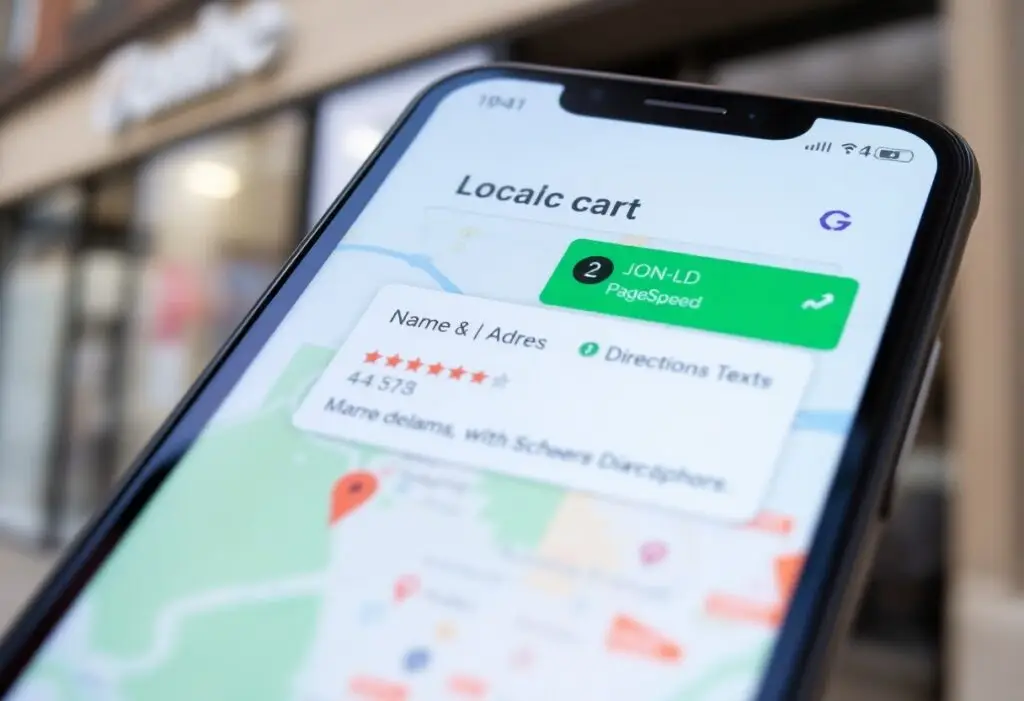
Optimize high-quality photos, accurate attributes, precise categories, and defined service areas to improve click-throughs and map placement. Missing or wrong details can mislead users and reduce impressions; complete profiles drive higher conversions.
Regularly add varied, geotagged photos, update attributes (hours, payment, accessibility), select the most specific categories, and map service areas precisely; outdated photos or broad categories hurt relevance, while detailed, current info boosts local rankings and trust, increasing bookings and calls.
Reviews & Reputation Management
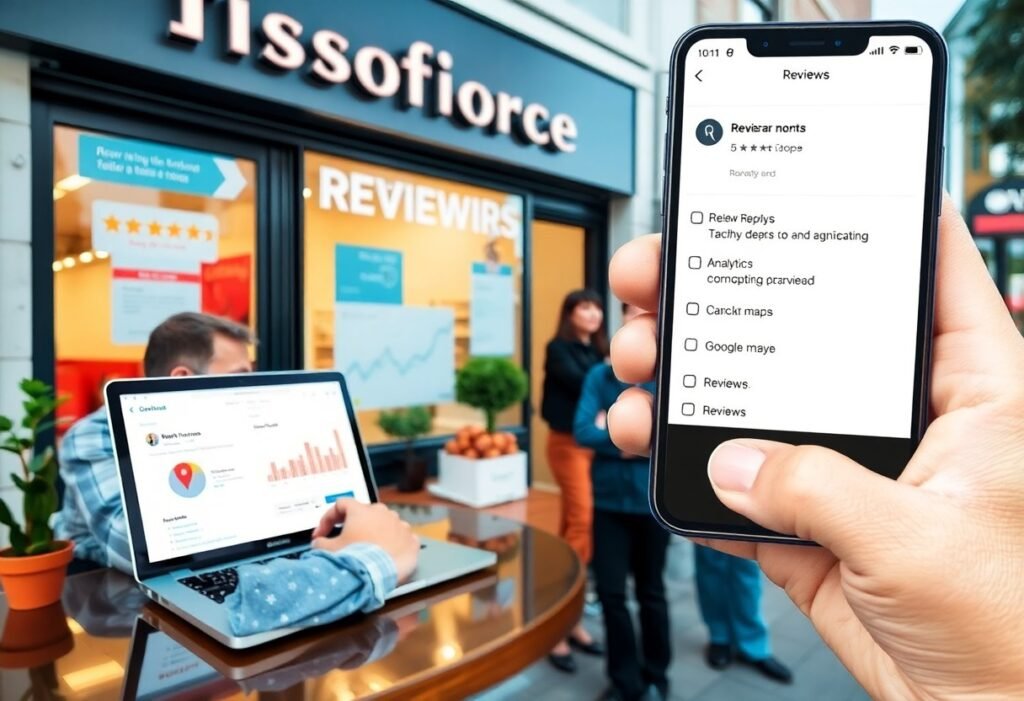
When reviews surface, treat them as ongoing signals to Google and customers; you must monitor, respond, and adapt. Consistent review handling and active reputation work send positive engagement signals and protect your business visibility.
Soliciting, responding to, and leveraging reviews
To increase review volume, you should ask customers at peak satisfaction, provide simple links, and reply quickly; publicly thank praise and address issues privately when appropriate. Use reviews to inform listings and ads; prompt responses raise conversions and trust.
Handling negative feedback and compliance risks
If negative feedback appears, you should respond calmly, gather facts, and avoid defensive language; escalate any regulatory or privacy concerns. Flag suspected fake reviews and involve compliance when claims touch sensitive data, since mishandled replies can create legal risk.
Additionally, document every interaction with timestamps and screenshots, use pre-approved response templates that avoid admitting liability, and train your team on tone and escalation paths. If a review exposes private data or alleges regulated misconduct, do not disclose PHI or case details; escalate to your compliance or legal team and submit platform removal requests promptly, because timely remediation restores trust and limits reputational harm.
Content, Features & Engagement
Maintaining your Google Business profile means feeding content, features, and engagement with fresh inputs; this drives visibility and trust. You should post updates, answer questions, and enable features that guide conversions. Treat this as an ongoing workflow where consistent interaction powers local ranking and customer confidence.
Posts, Q&A, products, and bookings
Engage with Posts, Q&A, products, and bookings to keep your audience informed and ready to act. You must answer questions quickly, update product details, and sync booking links so conversions rise and misinformation doesn’t deter customers.
Promotions, events, and media refreshes
Schedule regular promotions, events, and media refreshes to keep your profile dynamic; fresh photos and timely offers increase clicks and trust. You should retire outdated promotions and monitor engagement so visibility improves and old information doesn’t harm bookings.
Refresh promotions and events at least monthly; rotate hero images (1200×900 recommended), test CTAs, and attach booking links. You should track clicks and conversions so effective offers scale and stale creatives stop reducing reach.
Measurement & Continuous Improvement
Continuously track your Google Business Profile performance to spot trends, prioritize fixes, and guide local strategy; use dashboards to detect traffic drops, missing attributes, and review sentiment so you can act fast and avoid visibility loss.
KPIs, Insights, and attribution methods
Monitor a small set of actionable KPIs-search impressions, direction requests, calls, and conversion rates-and combine GBP insights with Google Analytics and call-tracking to improve attribution accuracy so you can prioritize changes that move business outcomes.
Testing, iteration, and learning loops
Test small changes-headlines, categories, images, posting cadence-and measure lift vs control; unexpected ranking drops or review reactions reveal what backfires, while steady wins inform your roadmap.
Iterate by running hypothesis-driven experiments: define the metric you’re optimizing, isolate variables so you change one thing at a time, and use time or split tests to compare performance. Capture qualitative signals (review comments, call notes) to explain quantitative shifts, document every outcome, and establish a formal learning loop so you can scale winners and kill losers quickly, limiting long-term visibility damage.
Processes, Tools & Teaming
Processes, tools and team alignment keep optimization moving; if you stop, listings degrade. You need ongoing workflows, clear owners, and measurable checkpoints so updates, reviews and issue resolution continue. Neglect undermines visibility while steady attention preserves rank and conversions.
SOPs, role definitions, and schedules
Standardize your SOPs so you know who does what, when, and how to escalate. You should assign roles, set cadences for audits, and publish checklists. Clear ownership reduces errors and ensures you can scale repeatable, measurable improvements without guesswork.
Automation, integrations, and vendor oversight
Automate routine tasks-posting, review requests, data syncs-so your team focuses on strategy. You must monitor flows, log failures, and keep manual overrides ready. Unchecked automation can amplify mistakes, but properly governed systems drive consistent surface-level wins.
Beyond simple scripts, you should map data flows between your Google Business Profile, CRM, booking system and review platform using secure middleware or APIs. You must enforce access controls, change approval, and staging tests so one bad feed doesn’t overwrite hours or addresses. Hold vendors to SLAs, audit logs, and monthly KPIs, require documented rollbacks, and set alerts for sync failures so you can act before visibility drops.
Conclusion
To wrap up, you should treat Google Business optimization as ongoing: you update listings, solicit reviews, analyze insights, and refine content to sustain visibility and customer trust.