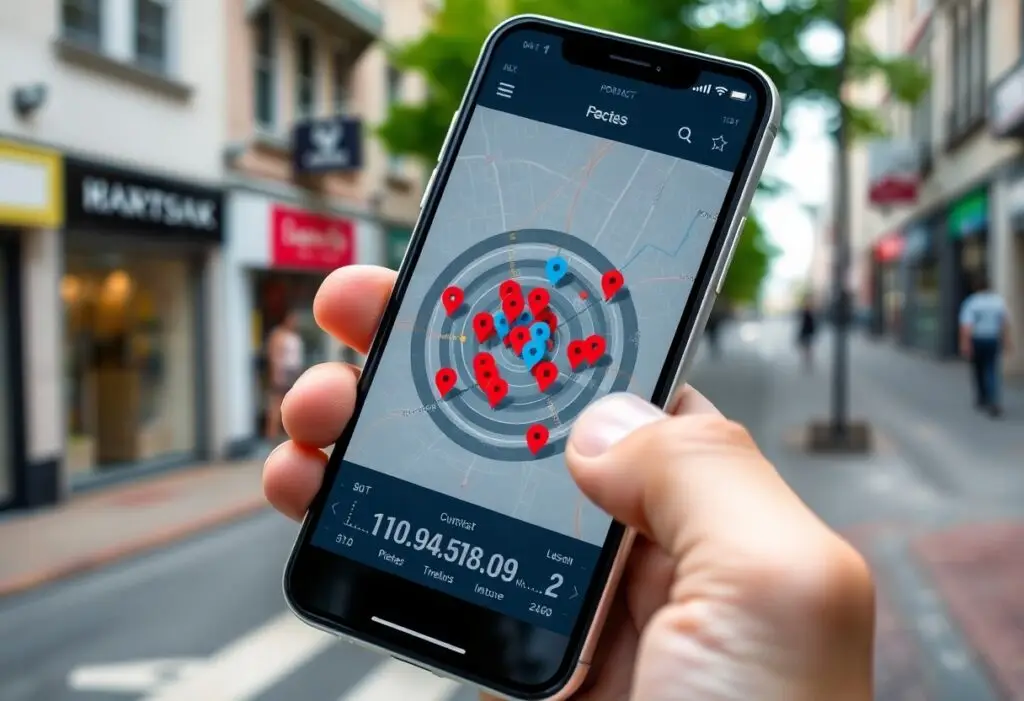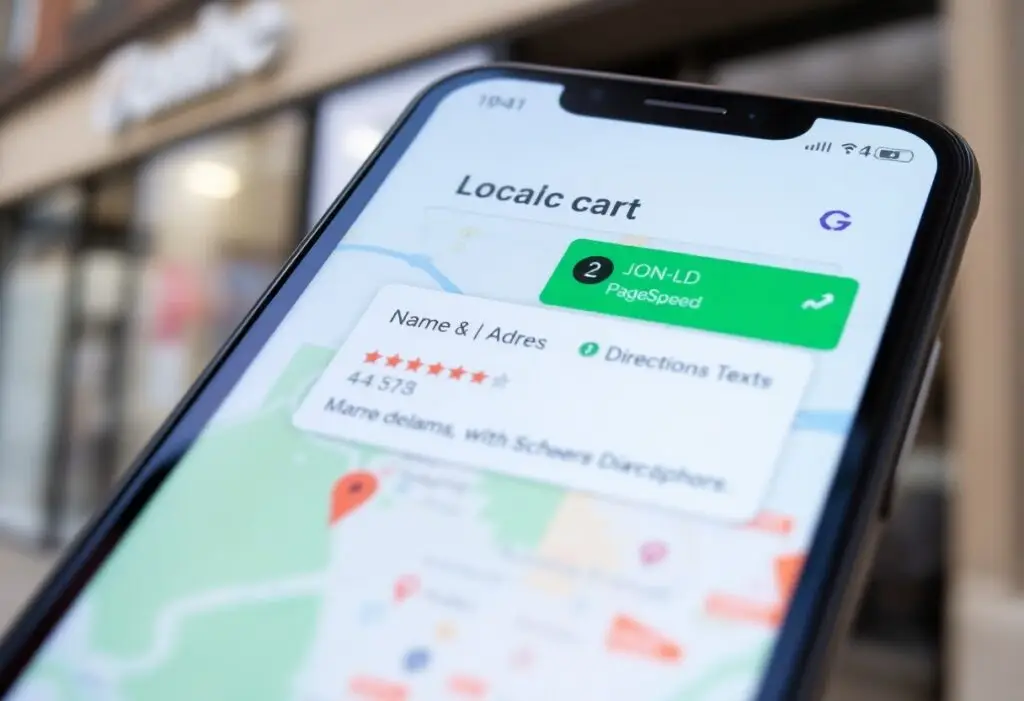
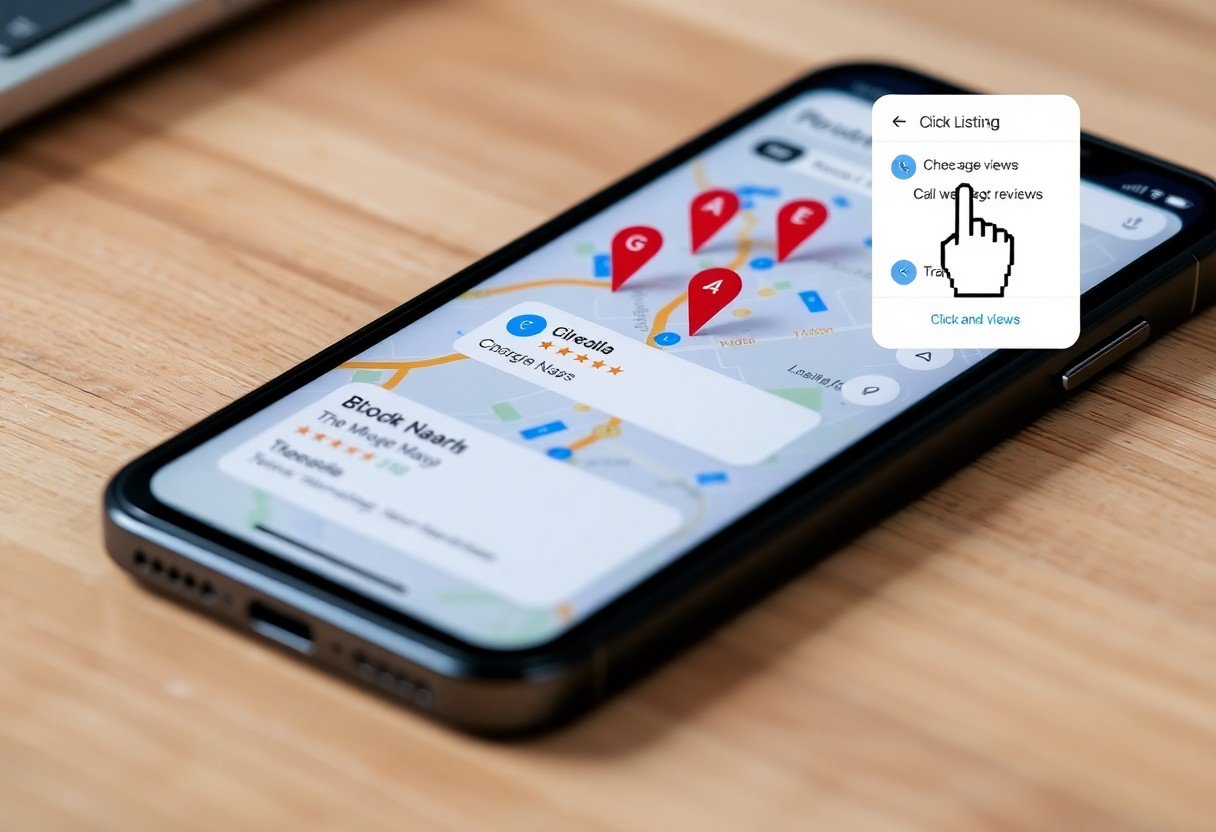
With focused engagement you influence Map Pack position: higher user interactions boost visibility and clicks, while low engagement can signal irrelevance and drop rankings, so you must optimize listings, reviews, and local content to secure sustained local search advantage.
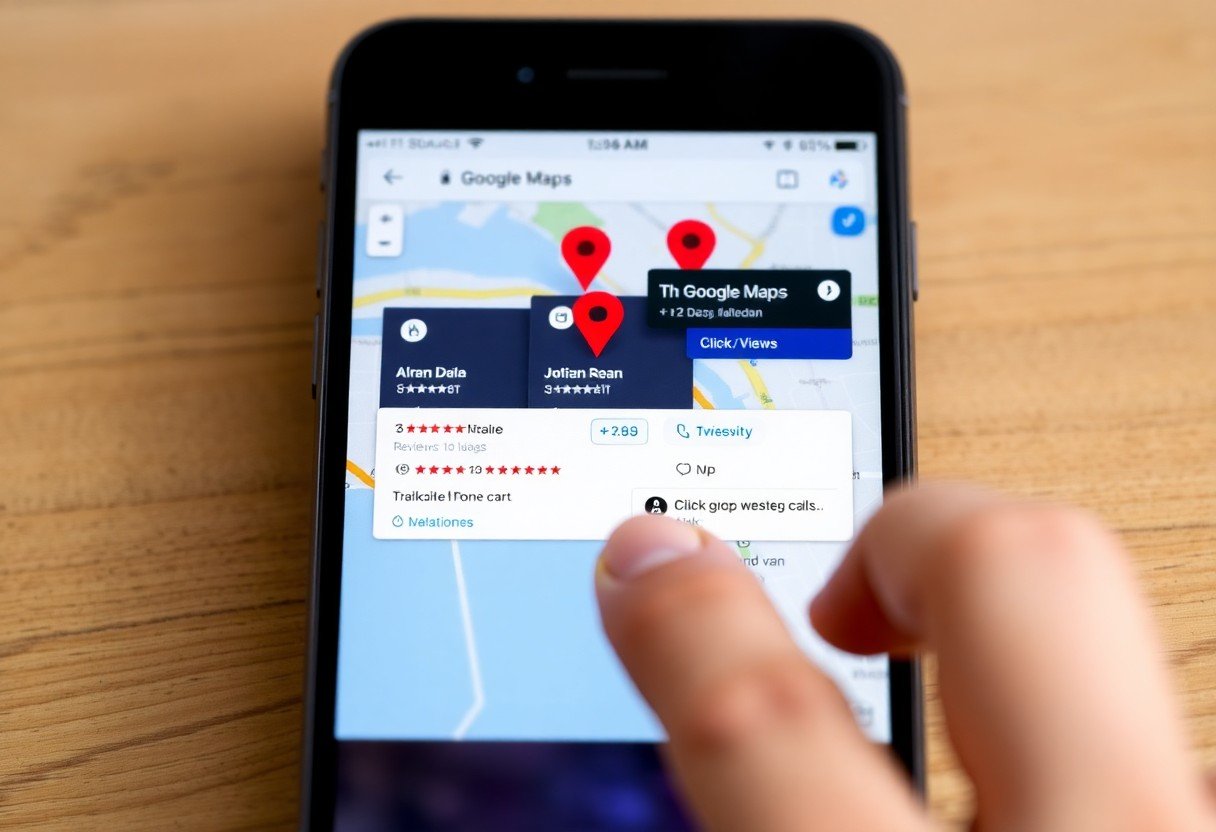
How the Map Pack Works
Map Pack shows three local results using signals like your business profile, user behavior, and citations; you must optimize each to appear.
Local ranking factors overview
Factors include your profile accuracy, customer signals, and external references. Any neglect harms pack placement.
- Proximity
- Relevance
- Prominence
- Engagement
Where engagement fits in the algorithm
Engagement signals-clicks, calls, directions, and reviews-tell the algorithm how users value your listing, so you must drive interactions to gain visibility.
When you boost positive engagement (higher CTR, calls, direction requests, and recent reviews), the Map Pack treats your listing as more relevant; conversely, low engagement signals reduce impressions and rankings, so you should optimize images, response speed, and calls-to-action to convert searchers into measurable actions.
Key Engagement Signals
Engagement signals tell Google how people interact with your listing; you should prioritize calls, directions, website clicks, and dwell time because they directly inform Map Pack relevance and prominence.
Click-to-call, directions, and driving requests
Calls via click-to-call and driving requests show high intent; when you get frequent, accurate requests, Google views your listing as relevant – but incorrect directions or ignored requests can reduce trust and visibility.
Website clicks, clicks-through to maps, and dwell time
Clicks from your Maps listing and the time users spend on your site or map pages tell Google whether you satisfy searches; high click-through and longer dwell boost relevance, while quick bounces signal poor fit.
Beyond raw clicks, you should analyze post-click behavior: if users return immediately, low dwell time will hurt rankings; if they explore, convert, or navigate more, Google rewards your listing. Use clear CTAs, fast mobile pages, and accurate schema to lift click-through and meaningful engagement, and track results with UTMs and Maps Insights.
Why Engagement Affects Rankings
Engagement influences Map Pack placement because signals like clicks, calls, and direction requests show whether your listing meets user needs; when you drive consistent interaction, Google views your business as more relevant and may increase visibility.
Behavioral relevance and trust signals
Behavioral metrics such as click-through rate and dwell time signal relevance; when users repeatedly engage with your listing you build trust signals that lead Google to prefer your business over less-engaging competitors.
Positive feedback loops and user intent matching
Positive feedback loops form when higher engagement lifts ranking, attracting more clicks; you gain momentum as sustained visibility aligns with user intent and improves conversion opportunities.
As engagement rises, Google’s algorithms interpret repeated interactions-like CTR, calls, direction requests, and positive reviews-as confirmation that your listing satisfies intent. You should prioritize real user signals because artificial engagement can trigger penalties, while organic momentum delivers more conversions, higher local relevance, and compounding ranking gains over time.

Measuring Engagement Effectively
Effective measurement ties engagement signals to outcomes so you can optimize local visibility; track clicks, calls, direction requests and on-site behavior to see what lifts your Map Pack ranking.
Google Business Profile insights and Google Analytics
Combine GBP Insights and Google Analytics to map how customers find and interact with your listing; you can spot which actions – calls, driving directions, website clicks – correlate with higher visibility and prioritize what moves the needle.
UTM tagging, call tracking, and third‑party tools
Implement UTM tagging and call tracking so you can tie marketing touches to conversions; third-party tools fill attribution gaps, giving granular source data and recording call outcomes to show which campaigns actually drive Map Pack engagement.
Additionally, enforce consistent UTM naming and integrate call-tracking with your analytics to avoid misattributed traffic; test redirects and monitor privacy compliance so your data stays reliable and actionable for Map Pack optimization.
Practical Optimization Tactics
Implement tactical changes to your listing: add high-quality photos, frequent posts, accurate attributes, and clear CTAs to boost engagement signals. Test variations and monitor metrics; poor imagery or missing CTAs can suppress visibility while active content drives clicks and ranking lifts.
Listing content: photos, posts, attributes, and CTAs
Optimize every photo, post, attribute, and CTA for clarity and intent. Use high-resolution photos, timely posts, accurate attributes, and a single, prominent CTA to guide users – these elements directly influence how often users interact with your listing.
Review generation, reputation management, and responses
Engage proactively: ask satisfied customers for reviews, manage your reputation, and respond quickly to all feedback. Negative reviews left unanswered can harm click-through rates, while prompt, helpful responses recover trust and improve local ranking signals.
Respond within 24-48 hours, address specifics, offer resolutions, and move conversations offline when appropriate. Encourage reviews with polite follow-ups without incentivizing them, and flag fake feedback through platform channels. Timely, personalized replies can convert detractors into advocates; unaddressed complaints lower conversions and stall ranking momentum.
Testing, Monitoring, and Continuous Improvement
Testing your Map Pack presence requires ongoing monitoring and small experiments; you should track engagement metrics, review changes monthly, and prioritize adjustments that boost click-throughs and direction requests.
A/B testing listings and promotional changes
Experimentation lets you compare title, photos, and offers; you should run tests long enough for significance, avoid overlapping changes, and focus on variants that deliver a clear lift in clicks or calls.
Interpreting data, common pitfalls, and iterative workflows
Interpreting metrics demands context: you should control for seasonality, sample size, and traffic sources; avoid false positives from small samples, and fold successful changes into routine updates.
Analyze your funnels by segment (device, query intent, time of day) to pinpoint what moves Map Pack rankings: compare CTR, calls, direction clicks, and review rates; watch for confounding changes like site updates or paid campaigns. Use small, repeatable experiments, set clear success thresholds, and maintain a versioned log so you can revert harmful changes quickly and scale proven wins.
To wrap up
Conclusively you must prioritize engagement because search engines interpret clicks, reviews, and interactions as signals of relevance and trust, lifting your Map Pack rankings; fostering local reviews, accurate listings, and quick responses helps you attract customers and sustain visibility.