Key Takeaways:
- High traffic with low user intent often leads to poor conversion rates because visitors aren’t looking to buy or engage meaningfully with your offer.
- Revenue depends more on audience relevance than volume-targeting the right people, even in smaller numbers, typically generates better returns than broad, untargeted traffic.
- Site performance and user experience shape outcomes-slow load times, confusing navigation, or weak calls to action can turn large volumes of traffic into missed sales opportunities.
The Illusion of the Crowded Room
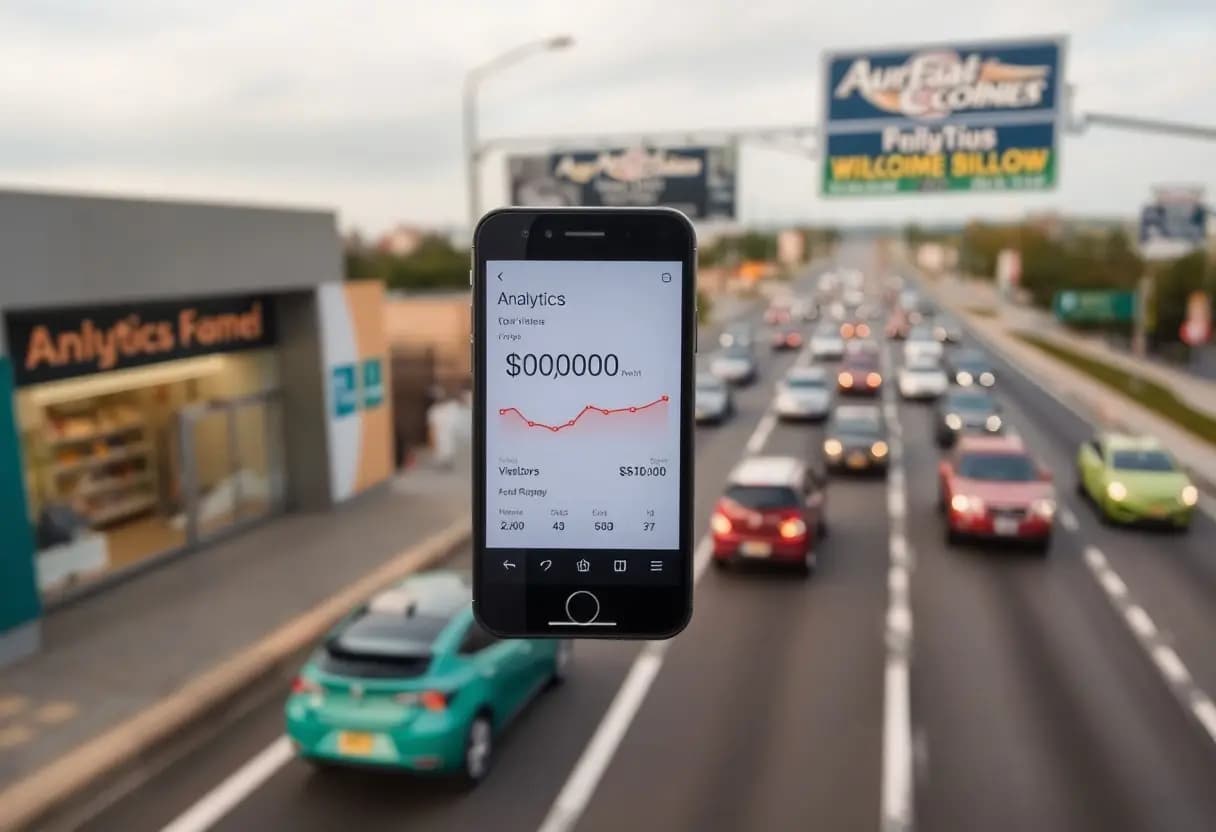
You’ve seen the spike in daily visitors and felt the rush of excitement-more eyes on your site must mean more sales, right? Not always. High traffic can create a false sense of success, masking the reality that most visitors have no intention to buy. Popularity doesn’t guarantee profit, especially when attention isn’t aligned with intent.
The vanity of the visitor counter
Numbers impress, but they don’t pay bills. A high visitor count feels good, yet means little if those users bounce in seconds. You’re measuring presence, not performance. Empty engagement inflates your metrics while your conversion rate stays flat-don’t let the counter fool you into thinking growth is happening.
Why broad reach dilutes brand intent
Reaching everyone often means resonating with no one. When your audience is too wide, your message loses focus. Generic content attracts casual browsers, not committed buyers. Scattered attention weakens conversion potential, turning your brand into background noise instead of a clear solution.
Think about it: a targeted campaign speaking directly to a specific pain point will outperform a viral post that draws millions who don’t need your product. When you cast too wide a net, you collect irrelevant traffic that may boost analytics but does nothing for revenue. Intent-driven visitors are far more valuable than volume, because they arrive already leaning toward a decision-one you can influence with precision, not noise.
The Friction of Irrelevant Intent
High traffic feels promising, but not all visitors are looking for what you offer. When user intent misaligns with your solution, clicks don’t convert. You’re attracting attention, not customers, and that gap erodes profitability despite strong volume.
Mismatched keywords and broken promises
You might rank for popular terms, but if those keywords don’t reflect your actual offering, visitors feel misled. This mismatch breeds distrust, and even high click-through rates won’t lead to sales when expectations are broken on arrival.
The digital window shopper paradox
You’ve seen them-users who browse endlessly but never buy. They consume content, compare options, and disappear. High engagement doesn’t guarantee conversion, and mistaking their behavior for buying intent wastes marketing resources.
These visitors often enjoy researching without urgency or intent to purchase. They treat your site like a catalog, gathering information for later-possibly to buy elsewhere. Without clear pathways and persuasive triggers, you’re merely funding someone else’s decision-making process, not building your revenue.
Efficiency Over Volume
You gain more from focused traffic than sheer numbers. High-intent visitors convert better, making your efforts more profitable even with lower volume. Prioritizing quality ensures every click has purpose, turning engagement into measurable revenue instead of empty metrics.
The hidden costs of low-intent traffic
Low-intent traffic inflates your numbers but drains value. These visitors rarely convert, yet they increase bounce rates and skew analytics. You end up spending on ads and bandwidth for users who bring zero return, weakening your campaign’s true performance.
Resource depletion from non-converting leads
Every non-converting lead consumes time, tech capacity, and team effort. Your sales and support teams chase dead ends while high-potential prospects wait. This misallocation quietly erodes productivity and damages long-term scalability.
Non-converting leads don’t just fail to buy-they actively divert attention from those who will. Your CRM fills with stale data, email sequences waste deliverability, and customer service capacity shrinks. You’re not just losing money on acquisition; you’re amplifying operational waste across departments, making growth harder to sustain.
The Architecture of Trust
Every click you earn means little if your site fails to build confidence. Trust isn’t assumed-it’s designed. From clean layouts to secure signals, your visitors subconsciously judge credibility within seconds. A single broken element can erase hours of marketing effort.
Why traffic bounces off poor design
Cluttered pages confuse your visitors the moment they arrive. Confusion kills conversion. If users can’t find what they need in seconds, they leave-no second chances. A poorly structured layout turns high traffic into wasted opportunity, regardless of how much you spend to attract it.
The psychological barrier to the checkout
Doubt creeps in when the path to purchase feels uncertain. Hidden fees, unclear policies, or too many steps make people hesitate. Even interested buyers abandon carts when the process feels risky or overwhelming. You’re not just selling a product-you’re guiding a decision.
Each extra field on a checkout form increases resistance. Your customer wonders, “Why do they need this?” Transparency builds comfort. Show total costs upfront, minimize input demands, and reassure with trust badges. Reducing friction isn’t just design-it’s psychology in action. When you respect their hesitation, you earn their commitment.
Cultivating the Significant Few
You don’t need thousands of visitors to grow revenue-just a few who truly matter. The majority of your income will come from a small fraction of customers, often less than 20%. Focus your efforts on identifying and nurturing these high-impact individuals, not chasing vanity metrics.
Targeting the high-value outlier
One customer can outperform hundreds in lifetime value. These outliers spend more, refer others, and engage deeply with your brand. You boost returns by designing experiences that attract and serve them intentionally, not by broadening your audience indiscriminately.
Retention as the true revenue engine
Returning customers spend 67% more than new ones. Retention drives predictable, compounding revenue while reducing acquisition costs. You build stability not by chasing traffic, but by creating reasons for people to come back-again and again.
Think of every repeat purchase as proof your product delivers real value. Loyal customers require less persuasion, convert faster, and often pay premium prices. They’re your most profitable segment-and the only one guaranteed to scale profitably. Prioritize their experience, listen to their feedback, and design your business around keeping them satisfied. That’s where real growth happens.
Conclusion
From above, you see that more traffic does not guarantee higher revenue. Visitors must convert, and untargeted or low-intent traffic rarely does. Your focus should be on attracting the right audience, optimizing user experience, and guiding visitors toward meaningful actions. Quality engagement outweighs sheer volume every time.