Over 70% of local customers expect websites to speak directly to their community, needs, and values. Generic copy fails to build trust, lacks regional relevance, and misses the emotional triggers that drive local decisions. You lose conversions when your message feels impersonal-local buyers choose businesses that sound like they understand them.
Key Takeaways:
- Local customers respond to messaging that reflects their community, values, and everyday experiences-generic copy fails to build trust because it lacks regional authenticity and personal relevance.
- Search engines prioritize locally resonant content, so websites using vague, one-size-fits-all language often rank lower in local search results, reducing visibility where it matters most.
- Strong local conversion comes from addressing specific neighborhood needs, using familiar landmarks, local slang, or region-specific pain points-details that generic content routinely overlooks.
The Fatal Flaw of Ambiguity
You lose trust the moment your message leaves room for interpretation. Local customers want clarity, not confusion-when your copy sounds like it could apply to any town, they assume you don’t truly serve theirs. Ambiguity kills connection, and without connection, there’s no conversion.
Why Universal Messages Fail to Sell
Local buyers ignore generic claims because they don’t feel seen. A message that speaks to everyone speaks to no one-especially not someone looking for a trusted neighborhood solution. Personal relevance drives action, and your audience knows when you’re not talking directly to them.
The High Price of Vague Promises
Empty phrases like “great service” or “quality work” mean nothing without proof or specificity. Customers need concrete reasons to choose you over the plumber down the street. Vagueness invites skepticism, and skepticism kills sales before they start.
When you say you’re “the best,” but don’t explain why, customers assume you have nothing to back it up. They’re more likely to call the business that says, “We’ve fixed burst pipes in Austin homes since 2010-available 24/7.” Specifics build credibility. Real details disarm doubt and give people the confidence to act. Without them, you’re just noise in their search.
Language as a Local Handshake
Every word you choose signals whether you belong or you’re just passing through. When your website speaks in generic terms, locals sense the distance immediately. Authentic connection starts with language that feels familiar, not polished corporate phrasing. You’re not just sharing information-you’re extending a handshake, and how you speak determines whether it’s accepted.
Adopting the Regional Vernacular
You gain trust the moment your copy uses the phrases people actually say at the diner or post office. Swapping out generic terms for local expressions shows you understand the community, not just its zip code. This isn’t about slang for the sake of it-it’s about accuracy, respect, and sounding like a neighbor, not a franchise.
Building Instant Rapport Through Dialect
You create an immediate sense of belonging when your website mirrors the way locals speak. Dialect isn’t just pronunciation-it’s rhythm, word choice, and cultural shorthand. When visitors feel heard in their own voice, they’re far more likely to see your business as part of the community fabric, not an outsider trying to fit in.
People respond to what feels familiar, and dialect carries deep emotional resonance. When you reflect the natural speech patterns of your audience-like saying “pop” instead of “soda” or “you guys” versus “y’all”-you’re not just being casual; you’re signaling shared identity. This subtle alignment builds trust faster than any marketing claim ever could. Locals don’t need to think about whether you’re one of them-they just know it.
Trust as a Geographic Currency
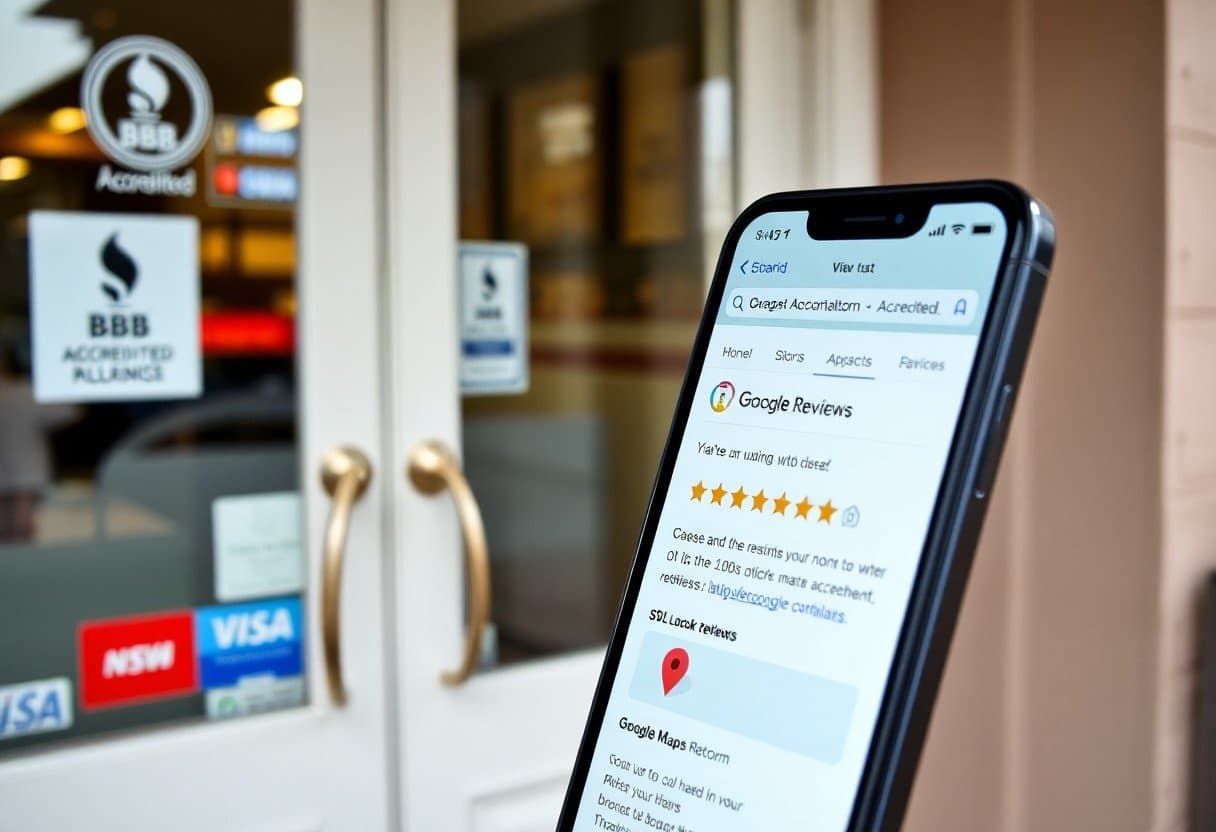
Location builds trust faster than any marketing claim. When customers see your business tied to a real neighborhood, they perceive you as more reliable and accountable. Generic copy erases this advantage by stripping away local identity. You’re not just selling a service-you’re representing a community presence that locals can connect with and depend on.
Establishing Physical Credibility
You gain instant legitimacy when your website mentions real streets, landmarks, or neighborhoods you serve. A local address or reference to a well-known area signals that you’re not a faceless operation. Customers are more likely to trust a business they can picture, visit, or recognize from their daily lives.
Proximity as a Buying Trigger
Distance influences decisions more than you think. When someone sees you’re nearby, their urgency to act increases. Same-day service, quick repairs, or an in-person consultation become realistic options. Proximity removes friction and makes choosing you feel faster, safer, and more convenient.
Being close isn’t just about geography-it’s a psychological shortcut for reliability. When your copy highlights how near you are to the customer, you tap into an unspoken preference for local solutions. People assume nearby businesses will respond faster and care more because they share the same community concerns. This subtle advantage disappears when your messaging sounds like it could apply to any city in the country.
Algorithmic Relevance and Local Intent
Search engines prioritize content that matches user intent with precision. When your website copy lacks local signals-like neighborhood names, local landmarks, or region-specific services-algorithms see it as less relevant. You lose visibility just when nearby customers are searching for what you offer.
Capturing the Neighborhood Searcher
You’re not just competing for clicks-you’re answering a local question. Someone typing “coffee shop near [neighborhood]” wants proof you’re part of their community. Use real place names and local references so search engines and people instantly recognize your proximity.
Winning the Battle for Specificity
Generic phrases like “quality service” tell search engines nothing. But “family-owned Italian restaurant in Southie serving brick-oven pizza since 2005” gives clear, indexable signals. Specificity builds trust and boosts rankings because it aligns exactly with what locals are searching for.
When you name actual streets, events, or customer experiences unique to your area, you create content that only your business could write. This authenticity is irreplaceable by templated copy and treated as higher quality by algorithms. You’re not just visible-you become the obvious choice for nearby searches.
The Psychology of the Resident Buyer
You think locally before you buy. When you see a business mention your neighborhood park, your favorite coffee spot, or the corner where the farmers’ market happens every Saturday, something clicks. That familiarity builds instant trust-because it proves the business isn’t just passing through. They’re part of your world.
Shared Identity as a Conversion Tool
You respond when a brand speaks like a neighbor, not a corporation. Using local slang, referencing community events, or supporting the high school team makes you feel seen. That sense of belonging turns casual interest into loyalty-because you don’t just buy from them, you support one of your own.
The Comfort of Familiar Landmarks
You feel safer doing business with a company that names your town’s library, bridge, or diner. These references aren’t just details-they signal you’re dealing with someone who knows your streets. That local recognition reduces hesitation and makes you more likely to click, call, or walk through the door.
Landmarks ground your experience in reality. When a website says “just two blocks from the clock tower” or “across from the old cinema,” you can picture it instantly. That mental image creates a stronger emotional connection than any generic “convenient location” claim ever could. You don’t need directions-you already know the way.
Precision in the Call to Action
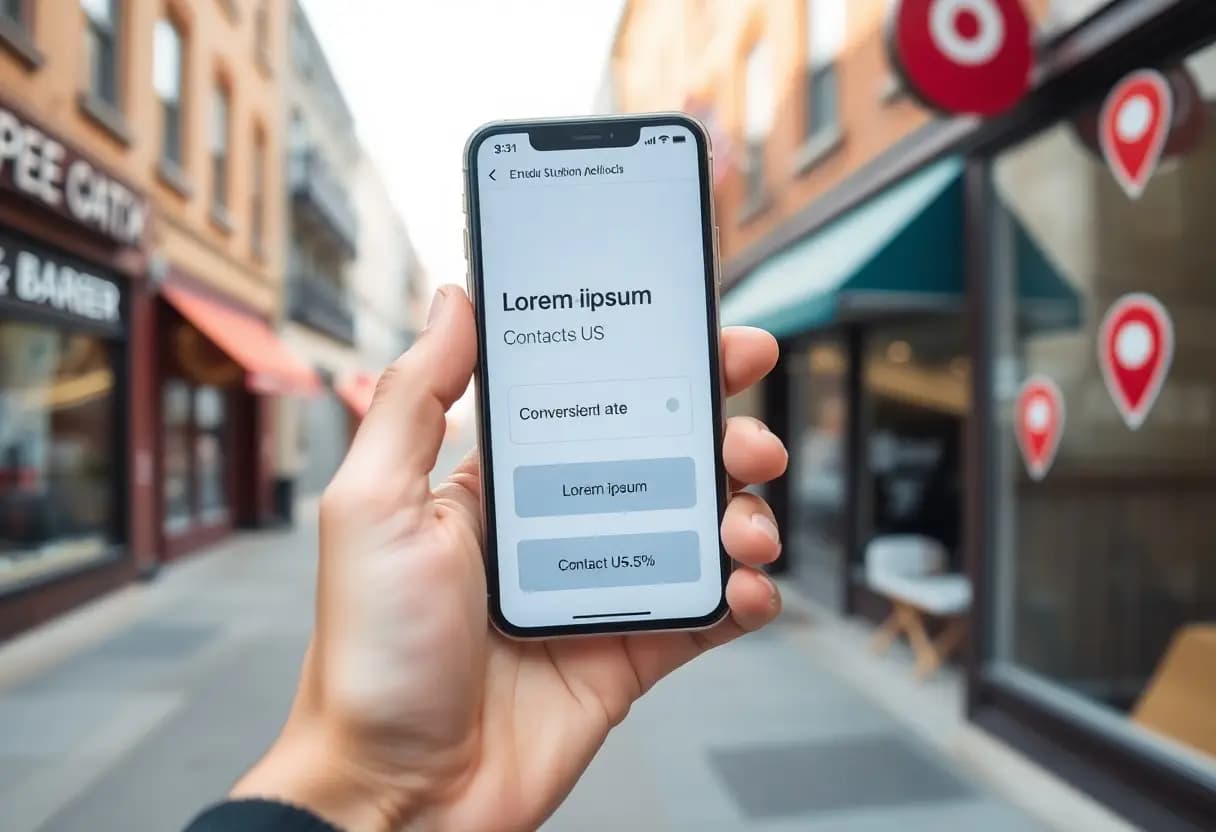
You don’t just want visitors to read your site-you want them to act. A vague “Contact Us” button won’t cut it. Specific, location-driven prompts like “Call Our Boise Office Today” or “Visit Our Downtown Showroom” create urgency and clarity, making it easier for local customers to take the next step.
Tailoring Offers to the Area
Your neighborhood knows its needs better than any national campaign ever could. Discounts tied to local events, weather, or community milestones feel authentic and timely. When you offer “Free Snow Removal with Every Roof Inspection in Minneapolis This December,” you’re speaking directly to lived experience.
Direct Response for Local Markets
Local buyers respond to immediacy, not generic promises. A clear, time-sensitive instruction like “Schedule Your Free Pest Inspection Before Friday-Limited Spots in Austin” drives action because it combines scarcity, relevance, and geographic precision in one compelling line.
When you craft responses that mirror local urgency, you stop blending in and start standing out. People in your city aren’t waiting weeks to make decisions-they want solutions now. A direct response doesn’t just invite engagement; it demands it, using language that reflects real-life timing and neighborhood-specific pain points. This is how you turn passive scrollers into same-day callers.
To wrap up
From above, you see that generic website copy fails to connect because it ignores local language, culture, and customer needs. Your audience responds to messages that reflect their community, values, and everyday experiences. When your content speaks directly to them, conversion follows naturally.