There’s a lot at stake when you maintain your electrical system in Moline-following local codes, scheduling inspections, and addressing wiring problems promptly prevents electrical fires and shocks. You should test GFCIs, avoid overloaded circuits, replace frayed cords, and hire a licensed electrician for complex work; doing so protects your family, ensures code compliance, and can lower your utility bills while giving you peace of mind.
Local codes, weather and key factors affecting electrical safety in Moline
Your electrical safety in Moline is governed by local code enforcement, regional weather patterns and property-specific risks like aging knob-and-tube or aluminum wiring; you should inspect panel age, breaker trip behavior and corded appliances after storms. The Mississippi River basin raises flooding and groundwater concerns, while spring storms and winter ice load overhead lines. Prioritize regular inspections, surge protection and GFCIs in damp areas. This helps you reduce shock, fire and service interruptions.
- local codes
- weather
- flooding
- electrical safety
Moline building codes, permits and inspection factors
The city enforces the state-adopted code and inspectors require permits for new circuits, service changes and major renovations; you will usually need a licensed electrician to pull a permit and schedule rough and final inspections. Examples include panel upgrades, adding a 240V circuit for an EV charger, or moving service equipment. Failure to permit can trigger corrective orders, fines or insurance denials. Any unpermitted work you allow may leave you liable for hazards and void coverage.
- Moline building codes
- permits
- inspections
- electrical panel
Seasonal weather, flooding and environmental risk factors
Winters bring heavy snow and ice while spring produces severe thunderstorms and occasional tornadoes; Moline has seen significant Mississippi River flooding (notably 1993 and 2008), so you must plan for water intrusion and surge events. You should protect basement circuits with GFCIs, elevate sensitive equipment and secure outdoor wiring against wind and ice. Install surge suppression for HVAC and refrigerator circuits to prevent motor damage. Knowing these patterns guides your mitigation priorities.
- seasonal weather
- flooding
- environmental risk
- GFCI
In practice, you should document past incidents, map low-lying areas on your property and test backup power; for example, a battery-backed sump pump and a dedicated surge protector for your furnace saved one Quad Cities homeowner from a $4,200 equipment replacement after a 2019 storm. You can also raise branch circuits and outlets above likely seep levels and label critical loads for quick disconnection during floods. Knowing these specific steps reduces outage time and repair costs.
- surge protector
- GFCI
- backup power
- flooding
How-to perform regular electrical inspections
Schedule visual checks every 6-12 months and get a professional inspection every 3-5 years, more often if your home was built before 1980. When you do DIY reviews, scan for heat, odd odors, loose covers, and repeatedly tripping breakers; use a thermal camera annually to find hot spots. If you find recurring trips, burning smells, or warm panels, shut the circuit off and contact a licensed electrician within 24 hours.
Visual checklist for outlets, panels, wiring and fixtures
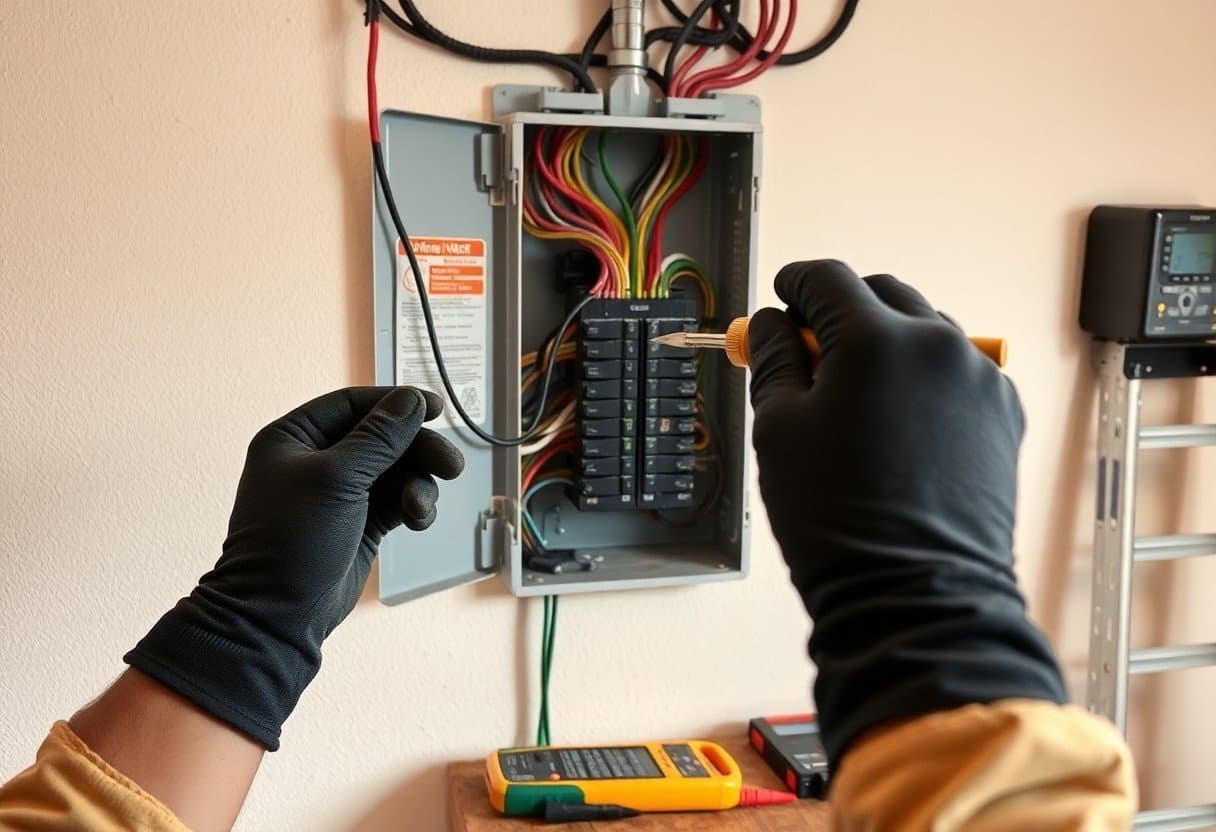
When you walk each room, inspect outlets for loose plugs, burn marks, discolored plates, wobble, or buzzing; test lamps for intermittent power. In the panel, look for rust, unlabeled circuits, breakers that are hot to touch or trip frequently. Trace visible wiring for cracked insulation, exposed conductors, amateur splices, or knob-and-tube remnants, and confirm fixtures are firmly mounted and properly grounded.
Testing GFCIs, AFCIs, smoke detectors and circuit integrity
You should press built-in test buttons on GFCIs and AFCIs monthly; a device that fails to trip or reset signals a defect. Test smoke detectors monthly, replace batteries annually, and replace units every 10 years. Use a receptacle tester or multimeter to verify wiring, polarity, and grounding; label any suspect circuits and stop using outlets that show sparking or inconsistent power.
When you test GFCIs and AFCIs, press the test until it trips then reset; if it won’t trip or reset, turn off that circuit and mark it DO NOT USE. For smoke alarms, hold the test button 5-10 seconds and consider canned smoke for deeper checks. Always verify de-energized status with a non-contact voltage tester before touching wiring, log each test date and result, and hire a licensed electrician for persistent faults or complex AFCI behavior.
Tips for routine maintenance and preventive care
You should inspect outlets, cords and the panel every 6-12 months, test GFCI/AFCI devices monthly, and replace smoke detector batteries yearly; tighten loose connections and keep the panel labeled and accessible. Schedule a licensed electrician for whole‑home inspections every 3-5 years or after major renovations, and watch for aluminum wiring or knob‑and‑tube in older homes that often need attention. The small, regular actions you take cut fire risk and extend system life.
- Electrical safety
- Routine maintenance
- Preventive care
- GFCI/AFCI testing
Safe cleaning, load management and outlet care
When cleaning fixtures or switches, shut off the circuit at the breaker and use a dry cloth; avoid liquids near outlets and lighting. Spread heavy appliances across circuits and keep continuous loads under about 15-20 amps per circuit; put large appliances on dedicated circuits. Replace cracked faceplates, frayed cords and install surge protectors for sensitive electronics. If an outlet runs warm, sparks, or emits a burning smell, stop using it and call a licensed electrician immediately.
When to replace wiring, breakers, switches and fixtures
Replace wiring or devices if you see frayed insulation, scorch marks, persistent arcing, buzzing, or breakers that trip frequently; knob‑and‑tube and aging aluminum wiring are common candidates for replacement. Consider a service upgrade if you still have a 60‑amp panel or experience regular voltage drops under normal loads. You should rely on a licensed electrician to diagnose and recommend replacement options.
During a professional inspection your electrician will use thermal imaging to find hot connections, perform insulation resistance tests, and check breaker trip performance-diagnostics that reveal hidden faults. Plan upgrades to 100-200 amp service when adding central HVAC, an EV charger (commonly 40-50A), or major remodels, and insist on installing AFCI and GFCI protection where code requires it; these measures substantially lower fire and shock risk.
How-to troubleshoot common electrical problems
Start by isolating the issue: check your breaker panel for tripped switches, test nearby outlets and lights on the same circuit, and unplug suspect appliances. Since most household circuits are rated for 15-20 amps, frequent trips or warm wiring indicate overload or a loose connection. If you detect sparking, burning smells, or visible damage, shut off the circuit and treat it as an emergency-these signs often point to faults that need a licensed electrician.
Identifying tripped breakers, flickering lights and hot outlets
You’ll spot a tripped breaker by its middle or off position or a colored trip indicator; reset it once and monitor. Flicker that occurs only when a fridge or AC starts can be normal, but consistent flicker across multiple fixtures suggests loose neutrals or voltage drop. If an outlet feels warm (>120°F/49°C), shows discoloration, or emits a burning smell, stop using it immediately and treat it as a potential fire hazard.
Safe temporary measures vs. when to shut power and call a pro
For minor issues, you can safely unplug devices, reset a tripped breaker once, and move high-draw appliances to another circuit; use a lamp or small tester to verify power. However, if a breaker trips more than 2-3 times, an outlet is hot, you smell burning, see sparks, or find exposed wiring, shut the circuit off and contact a licensed electrician-those are signs of dangerous faults.
In practice, keep an infrared thermometer or contactless temp gun handy: readings above 120°F at an outlet mean you should cut power immediately. If problems persist beyond 5-10 minutes after basic resets, or if issues follow a recent DIY repair, avoid further troubleshooting and call a pro-loose connections and overloaded neutrals can heat quickly and caused structure fires in documented local incidents.
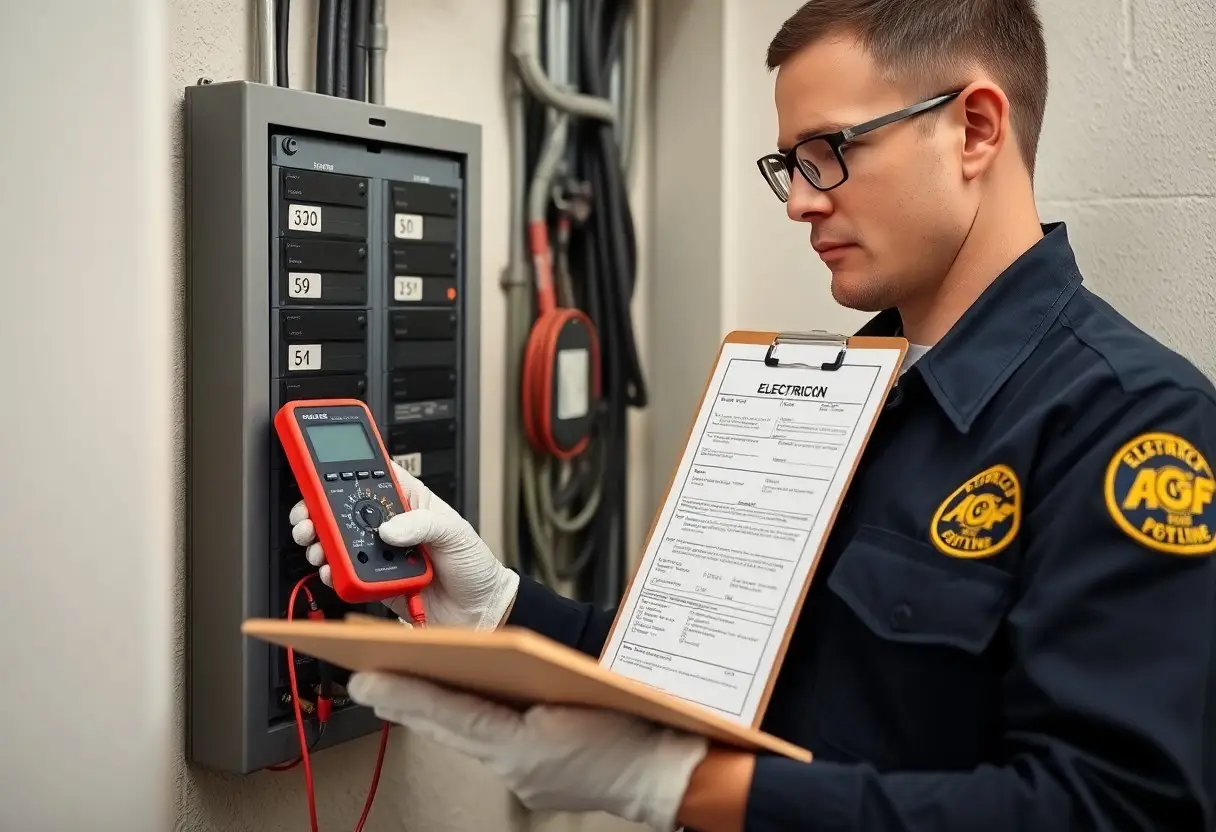
Hiring professionals and managing permits (factors + how-to)
When hiring for electrical work prioritize licensed electricians who carry liability insurance and handle permits; get written estimates, timelines and ask who pulls the permit. Verify license at the Illinois licensing portal and require insurance limits of at least $1,000,000. For service upgrades expect permits costing $50-$300 and inspections within 1-5 business days. This protects you from unsafe work, fines and liability.
- Check license number and expiration
- Confirm insurance (GL & workers’ comp)
- Ask for three local references and recent photos
- Require written contract stating who pulls the permit
- Keep copies of permits and inspection reports
Vetting licensed electricians, insurance and references
You should verify a contractor’s license online, confirm at least $1,000,000 general liability coverage and request three local references with contactable names. Check recent jobs for similar scope-panel swaps, meter relocations-and ask for before/after photos. If a contractor refuses permits or lacks insurance, treat that as a red flag because unpermitted work can void insurance and create safety hazards.
Understanding permits, inspections and recordkeeping
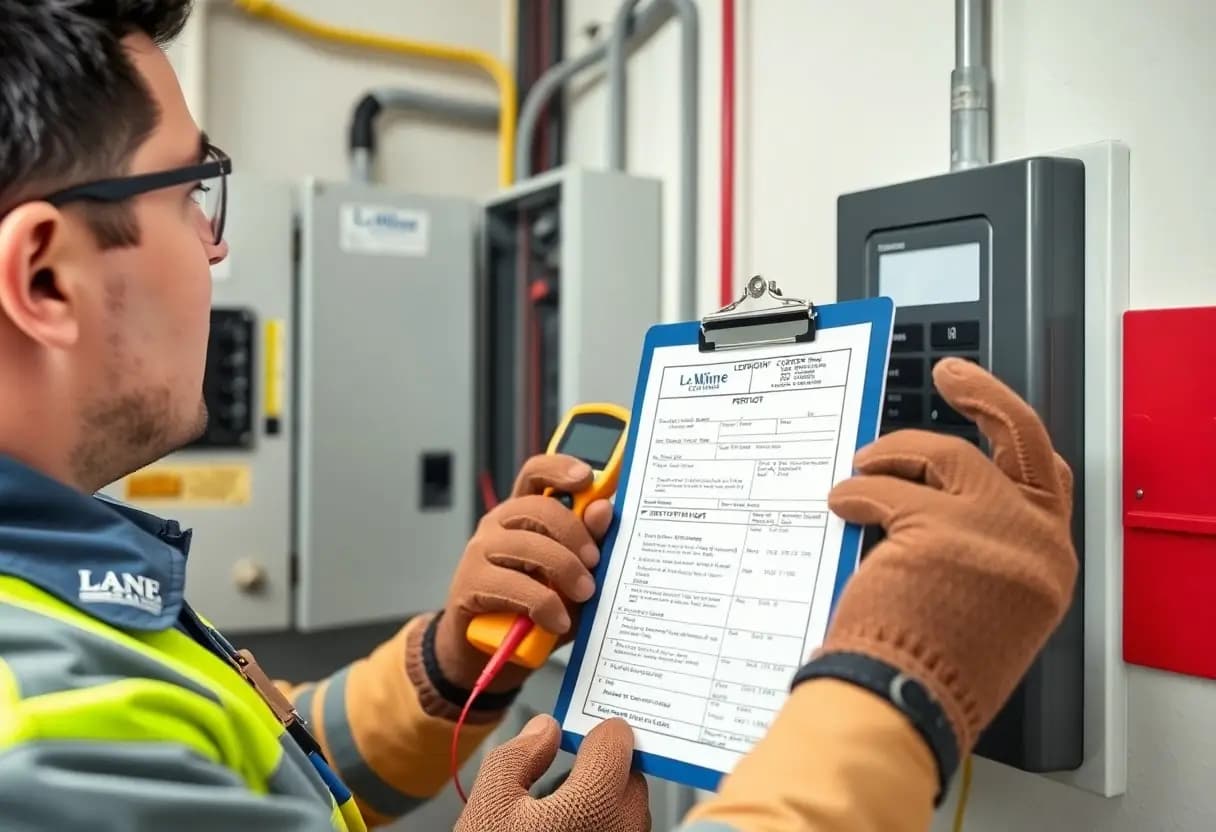
For common jobs-panel upgrades, adding circuits, or service changes-expect a building/electrical permit, fees typically $50-$300, and a final inspection confirming grounding, bonding, AFCI/GFCI protection and breaker sizing per NEC. Keep permit copies and inspection tags for at least 7-10 years to support future sales or insurance claims.
When pulling permits you or your contractor should submit plans showing conductor sizes, breaker schedules and load calculations; the Moline building department or county inspector will verify compliance, often flagging missing grounding/bonding, improper neutrals or undersized feeders. Expect one or two site inspections-rough and final-and get written sign-off; unresolved items can lead to a stop-work order or fines that may exceed $500.
Safety equipment, emergency preparedness and practical tips
You should stock safety equipment like GFCIs, a Class C fire extinguisher, and an insulated glove set rated to 1,000 V; test GFCIs monthly and replace smoke/CO detector batteries every 12 months. Keep a non-contact voltage tester and a UL-rated multimeter for verification, label shutoffs clearly, and maintain a written emergency plan. The
- GFCIs and AFCIs: test monthly
- Insulated gloves (1,000 V rating) and eye protection
- Lockout/tagout kit for contractors and homeowners doing major work
- Portable LED flashlight, spare batteries, and a basic first-aid kit
Essential safety gear, lockout/tagout and first-response steps
Use OSHA-compliant lockout/tagout procedures (29 CFR 1910.147) for any circuit work: isolate power, apply locks/tags, and verify zero energy with a meter. You should wear voltage-rated gloves, face shield, and dielectric footwear when exposing live parts; if you detect arcing or smell burning, stop work, evacuate the area, and call emergency services and your utility immediately.
Creating an emergency plan and local utility contact list
Map your main breaker, meter, and exterior shutoffs, and list supplier account numbers, outage hotlines, and alternate contacts; store both printed and digital copies accessible to everyone in your household or crew. You should designate a meet-up point, pack a 72-hour kit with potable water and battery lighting, and schedule annual drills to confirm everyone knows shutdown and evacuation steps.
Include direct numbers for your local utility’s outage reporting, your municipal non-emergency line, and the account PIN or meter number to speed restoration; add photos of breaker panels and GPS coordinates for service crews, and store the list in your phone plus a laminated copy by the main breaker. The plan must be reviewed after major storms and updated with new contacts.
Final Words
With these considerations you can keep your Moline property’s electrical system safe and reliable by scheduling regular inspections, hiring licensed electricians for repairs and upgrades, installing AFCI/GFCI protection, keeping panels dry and accessible, and following local codes. Address frayed wires or frequent tripping immediately, test detectors and ground-fault devices regularly, and document work and permits. Staying proactive reduces fire and shock risk and preserves system longevity.