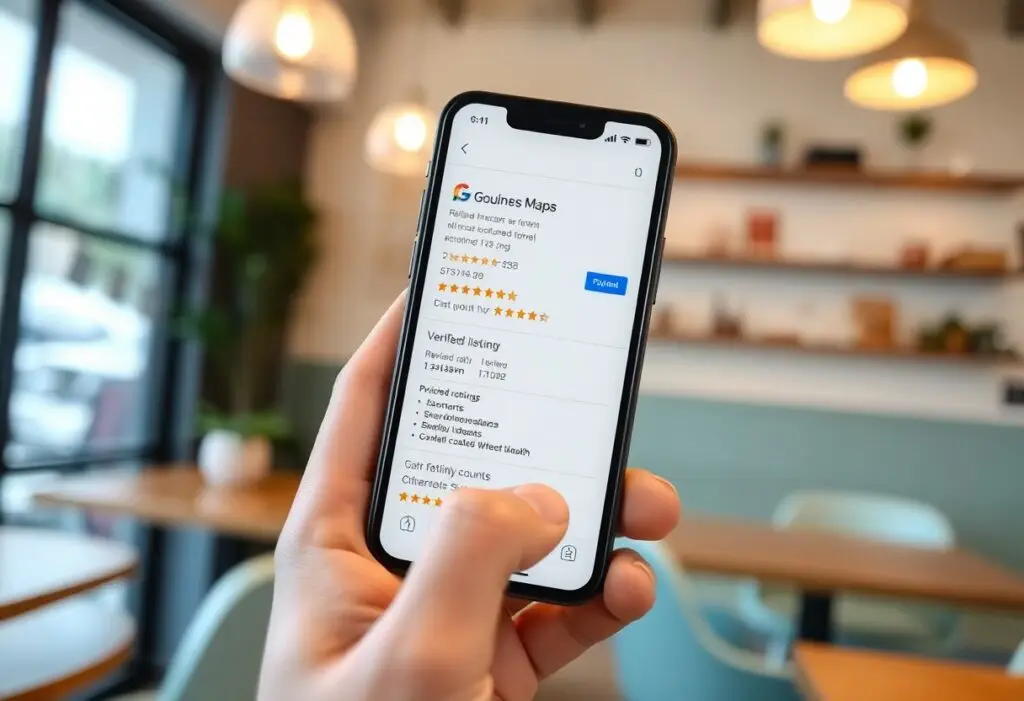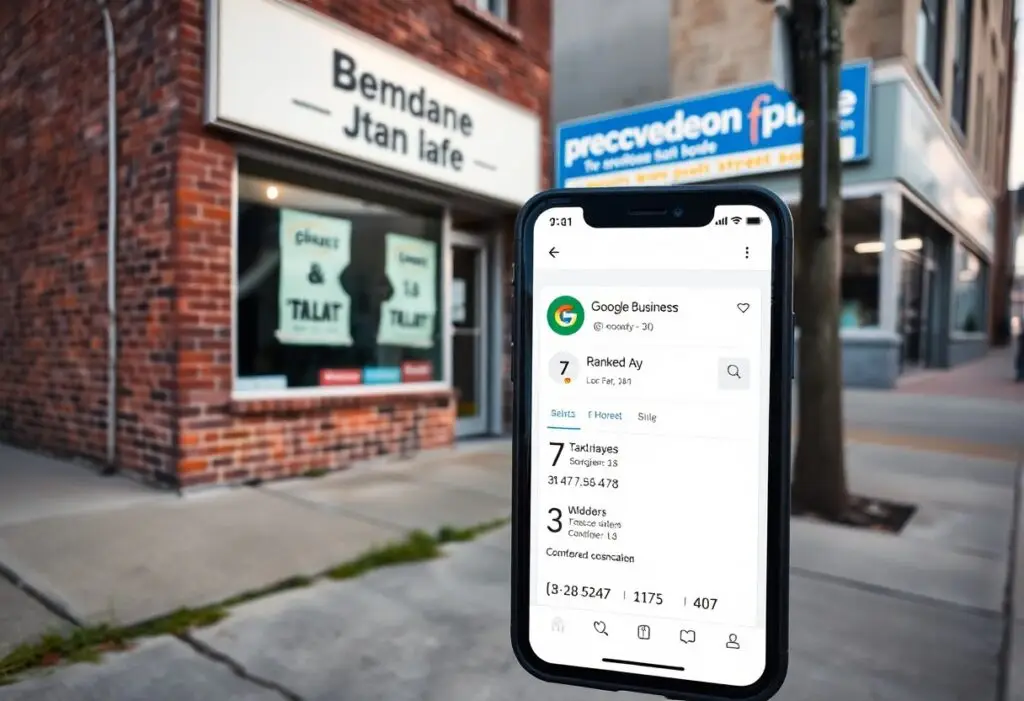
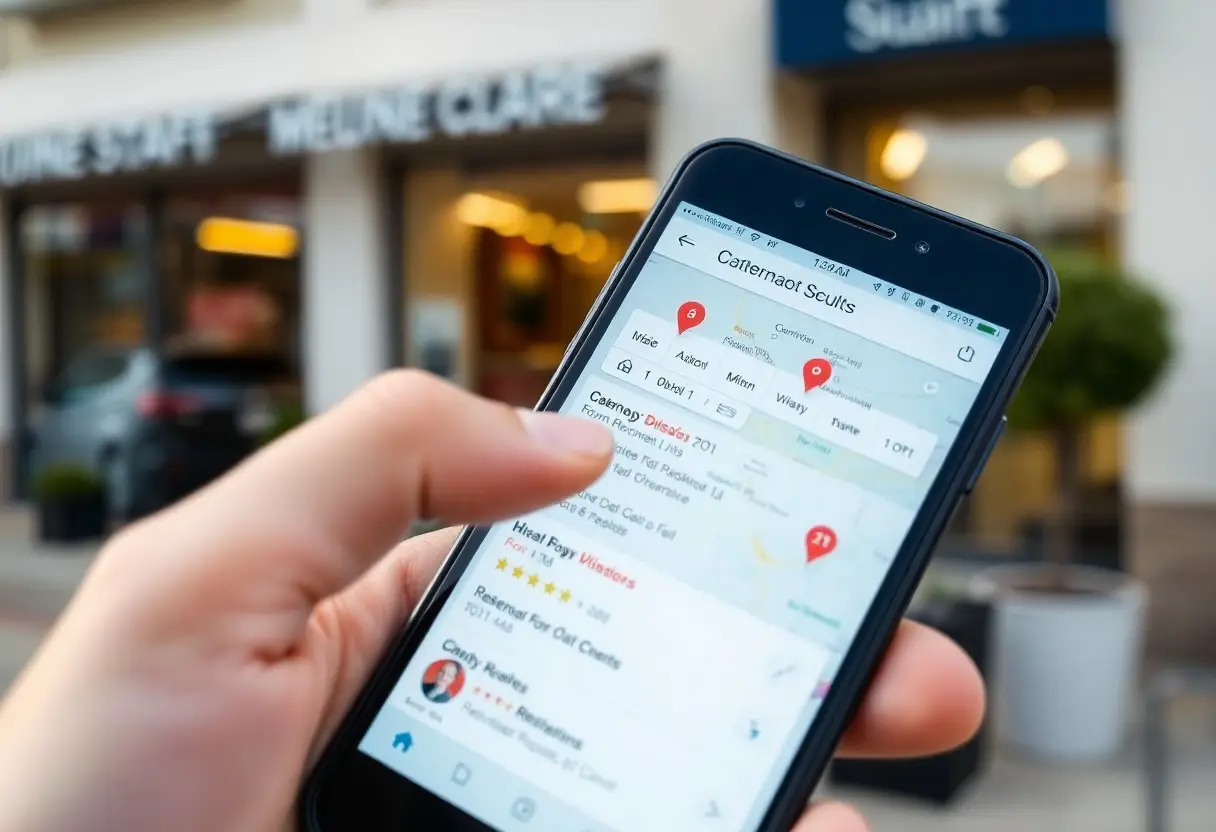
Clicks from reviews shape whether you visit local businesses: positive ratings boost trust and conversions, while negative feedback deters clicks and signals risk; you should analyze sentiment, reviewer credibility, and placement to optimize visibility and guide safer, higher-value choices.

Review visibility and local search
Visibility in local search hinges on how often your reviews show in maps and snippets; Google favors listings with consistent, relevant reviews, so optimize for star ratings, keywords, and timely responses to boost clicks.
How reviews influence local rankings and the local pack
Because your average rating and review engagement signal quality, Google may rank you higher in the local pack; higher ratings and frequent engagement increase visibility and clicks.
Review quantity, recency, and snippet prominence
Fresh reviews tell Google your business is active, so more recent and numerous reviews improve snippet prominence and drive clicks; prioritize getting new, genuine reviews.
Monitor review velocity and age: if you receive few reviews or long gaps, Google can favor competitors in snippets. Encourage customers to leave concise, location-specific feedback, flag spam, and reply quickly; these actions raise the chance of earning prominent review snippets and reduce the impact of stale or hostile reviews.
Ratings, sentiment, and click-through behavior
When evaluating local listings you weigh ratings and sentiment with other signals; low averages and negative tone suppress clicks, while consistent positive sentiment and visible trust markers raise your likelihood to choose one listing over another.
Star averages, distribution effects, and CTR
High average stars lift CTR, but you also inspect distribution: a mix of five- and one-star reviews signals inconsistency; high variance can lower click rates even when the mean appears favorable.
Language cues, sentiment strength, and trust signals
Specific language-detail, emotion strength, and trust cues-guides you fast: negative adjectives and claims about safety or billing sharply deter clicks, while concrete praise and service specifics increase confidence.
Moreover, you should scan reviewer credibility, recency, photos, and business replies: generic praise, identical phrasing, or contradictory facts are dangerous signals that suggest manipulation, whereas named reviewers, timestamps, corroborating images, and transparent owner responses are strong positive indicators you can rely on.
Platform differences and cross-site effects
Platforms alter how you perceive and act on reviews; interface elements, rankings, and social cues shift your click intent, while visibility and cross-site signals reshape trust and referral paths.
Google, Yelp, Facebook – affordances that change clicks
Google’s rich snippets, Yelp’s community signals, and Facebook’s social proof nudge what you click; you respond more to reviews with photos and owner replies, which increase conversions and clarify risk.
Aggregators, niche sites, and review syndication impacts
Aggregators amplify reach while niche sites add domain expertise; you trust specialized reviews for complex purchases, but syndicated ratings can create a false consensus that misdirects clicks.
Syndication can boost visibility but also propagate outdated or fraudulent reviews; you should map where ratings copy, weight sources by verification, and prioritize platforms with structured metadata to protect click quality.

Psychological and behavioral mechanisms
Within local search, reviews steer how you evaluate choices by activating social cues, lowering perceived risk, and invoking mental shortcuts; these shifts in attention and weighting make certain listings far more likely to earn your click while others get ignored.
Social proof, risk reduction, and decision heuristics
When you read many positive reviews, social proof simplifies choice: you favor popular options, and negative comments increase perceived risk, prompting avoidance through fast heuristics like ‘most-reviewed’ or ‘highest-rated’.
Price expectations, perceived quality, and attention allocation
Because reviews set price expectations, you tie ratings to perceived quality; higher scores justify higher value and draw your attention, while low scores make you focus on costs and skip clicking.
Additionally, you use review content as an implicit anchor: explicit price mentions and comparisons recalibrate willingness to click or pay. Positive reviews often validate premium prices, increasing conversion, whereas mentions of hidden fees or poor value produce disproportionate avoidance. Studies show visual attention concentrates on combined price-rating signals, so how you display both directly shapes click behavior.
Business practices that change clicks
Tactics you adopt affect click behavior; small operational shifts – review visibility, response speed, and review structure – change which listings users trust and choose.
Soliciting, shaping, and structuring useful reviews
When you ask for feedback, use clear, timely prompts and structured questions so users leave detailed, actionable reviews; avoid incentives that distort authenticity or invite fake content.
Responding to reviews and managing reviewer perceptions
If you reply promptly and professionally, you shape perception; a timely, empathetic reply can turn negatives into clicks and signal reliable service.
Additionally, you should personalize responses, acknowledge specifics, offer offline resolution, and correct factual errors; never attack the reviewer and escalate serious threats offline while publicly showing accountability and offering clear remedies.
Measurement, testing, and analytics
When measuring review-driven clicks, combine event-level click tracking with controlled experiments to separate correlation from causation; prioritize lift over raw counts and account for privacy-driven data gaps when interpreting results.
Click tracking, A/B tests, and causal inference
Implement robust click tagging and session stitching so you can run A/B tests that measure incremental click lift; use randomization or instrumental variables to address selection bias and validate that reviews actually drive the change.
Key metrics, attribution challenges, and reporting
Track metrics like click-through rate, assisted conversions, and incremental value, while adjusting attribution windows and handling multi-touch paths; expect gaps from privacy limits and model accordingly in your reports.
Detailed metrics should include CTR by review sentiment, assisted-clicks, conversion lift, and lifetime value; you must adjust attribution windows per funnel stage, use multi-touch or probabilistic models to allocate credit, and surface confidence intervals to flag noisy signals-protect against overfitting when data is sparse and account for privacy-driven gaps in raw event streams.
Conclusion
Considering all points, you rely on review quantity, recency, and sentiment to choose local businesses; high ratings and detailed positive reviews increase your click-through likelihood, while negative or outdated feedback lowers trust and reduces clicks. Encourage timely responses and visible ratings to guide your audience’s local search behavior.