Most of your profile’s ranking decline stems from outdated information, inconsistent signals, and reduced engagement; you must maintain regular updates and respond to reviews to recover visibility and avoid persistent traffic loss.
Why GBP rankings decline
Often you see steady drops because Google reprioritizes signals, competitors improve, or your listing accumulates negative feedback; these shifts reduce visibility and organic leads unless you adapt to preserve rank and local relevance.
Algorithm changes and signal reweighting
When Google adjusts weights, you may lose ground as previously dominant signals lose value; monitor updates and double down on resilient factors like reviews, local relevance, accurate categories, and consistent NAP to stabilize position.
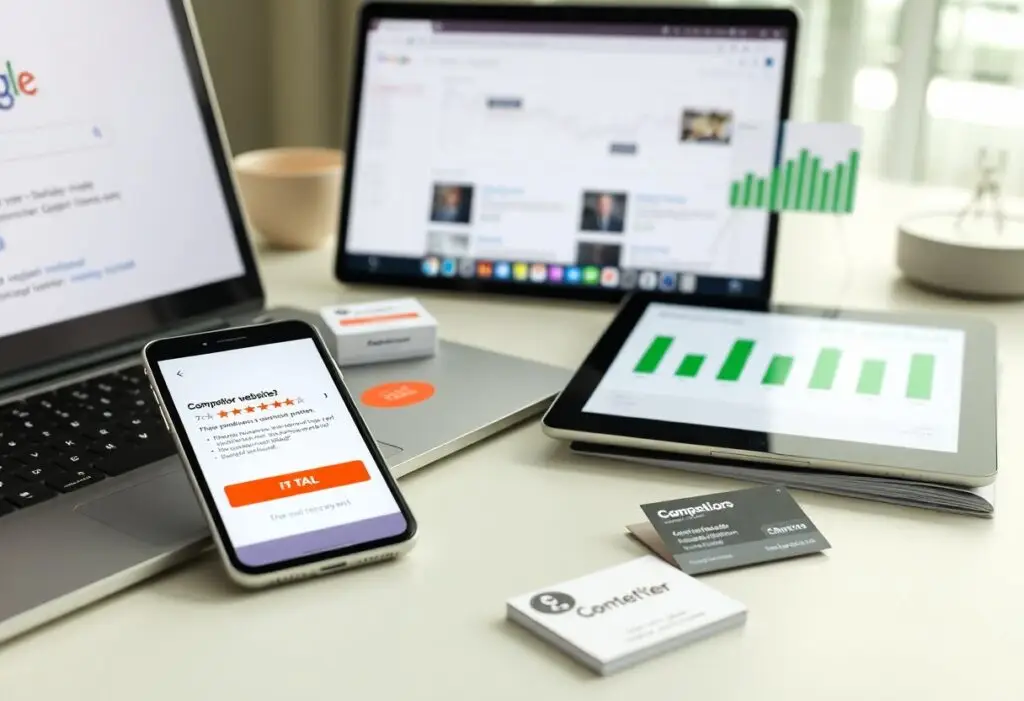
Rising local competition and market shifts
As new entrants and shifting consumer demand appear, you face stronger pressure; competitors who optimize GBP, run ads, or expand services can steal visibility, so track market moves and refine your offerings and local SEO.
Additionally, when nearby businesses invest in GBP – better photos, optimized categories, frequent posts and more reviews – you risk losing foot traffic and market share. Monitor competitor tactics, run audits, tweak pricing or service mix, and highlight a distinct value (faster responses, exclusive deals) to convert local searches into repeat customers.
Profile signal deterioration
Signals that once boosted your visibility slowly weaken when your listing remains unchanged; Google favors active, consistent data and reduces exposure for stale or conflicting signals.
Inconsistent NAP, categories and business info
When your NAP, categories or hours mismatch across directories, Google lowers trust and you lose ranking; repair inconsistent info everywhere to regain visibility.
Outdated content, photos and attributes
Stale photos, outdated attributes and old posts make your profile look abandoned; you should refresh images, services and attributes to signal activity and encourage clicks with recent, high-quality content.
Regularly audit every field, update hours and service changes, swap low-resolution images for branded, well-lit photos, and refresh attributes like “dine-in” or “appointments” so Google knows you’re active; you should use Posts, Q&A and offers to maintain fresh engagement signals, fix discrepancies quickly, and track drops with analytics to prevent long-term ranking decay.
Engagement and reputation factors
Engagement and reputation drive local rank: you lose visibility when reviews, actions and mentions decline. Thou must revive interactions, solicit positive feedback, and manage sentiment to stop steady rank erosion.
- Review velocity
- Click-through rate (CTR)
- Calls & directions
Falling review velocity and negative sentiment
Declining review velocity signals Google that you aren’t engaging customers; increasing negative sentiment accelerates rank drops and deters clicks.
Reduced CTRs, calls, directions and website visits
Lowered CTRs, calls, directions and website visits show Google that you fail to satisfy users, so you slip in local rankings.
When your CTR and engagement metrics fall, you should A/B test photos and titles, optimize your primary category and services, post timely updates, and reply to reviews; these actions send strong signals that can reverse decline and restore visibility.
Compliance and policy issues
When you slip on policy compliance, Google can reduce visibility, flag listings, or suspend profiles. Stay current with guidelines and verify ownership to avoid suspensions and ranking loss. Your corrective steps determine recovery speed.
Suspensions, duplicates and verification problems
If Google detects duplicate listings, unverifiable ownership, or policy breaches, it may suspend or remove your listing; duplicates dilute your signals and hurt rankings. Immediately clean duplicates and complete verification to restore your profile’s trust.
Spammy tactics and manual actions
Avoid keyword stuffing, fake reviews, or misrepresentations; if you use them they trigger manual actions and long-term ranking damage.
Further, when you face a manual action, Google often marks the specific issue-spam, misrepresentation, or quality-and you must remove offending elements, correct listings, and gather proof. Submit a detailed reinstatement request with timestamps, screenshots, and explanations; thorough documentation speeds recovery and reduces future risk.
Technical and website causes
Various technical issues-hosting problems, bad redirects, duplicate content, or SSL errors-erode Google’s confidence and dent local rankings; you must audit server health, robots directives, and core web vitals to halt further decline.
Poor site performance, mobile UX and schema errors
Slow page loads, broken mobile layouts, and malformed schema make Google less likely to serve your profile and frustrate visitors. You lose ranking when indexing falters; fix site speed and mobile responsiveness and validate schema markup to restore crawlability and user signals.
Lost local citations and inbound links
When listings disappear, addresses change, or backlinks decay, Google trusts you less. You must rebuild local citations and recover inbound links to restore authority; audit directories, correct NAP inconsistencies, and pursue link reclamation.
If citations or links drop, run a full citation audit, claim unverified listings, fix duplicates, and contact publishers for updates; then monitor with tools to detect link loss early and prioritize recovery actions.
Recovery and stabilization strategies
Begin rebuilding traction by addressing violations, fixing inconsistencies, and re-optimizing your profile with compliant signals; prioritize resolving policy violations and removing spam to avoid suspension, then track metrics to stabilize rankings.
Audit, cleanup and compliant optimization
Conduct a full audit so you fix NAP consistency, remove duplicates, correct categories, and ensure content follows Google policies; fix inaccuracies and close risky gaps before reapplying changes.
Ongoing monitoring, review generation and content refresh
Maintain continuous monitoring so you detect ranking shifts, generate steady authentic reviews, and refresh posts and photos; proactively address negative signals to preserve visibility and prevent future declines.
Systematically set alerts for rank shifts, suspected policy violations, and listing edits so you spot patterns early; use analytics and local-rank trackers, solicit reviews with targeted, compliant asks, respond promptly to feedback, and rotate fresh posts and images weekly to signal activity and reduce recovery time.
Summing up
Considering all points, your Google Business Profile can lose ranking due to outdated or inconsistent information, declining reviews or engagement, local algorithm updates, and stronger competitors; you must monitor performance, keep listings accurate, solicit and respond to reviews, and optimize content regularly to sustain visibility.