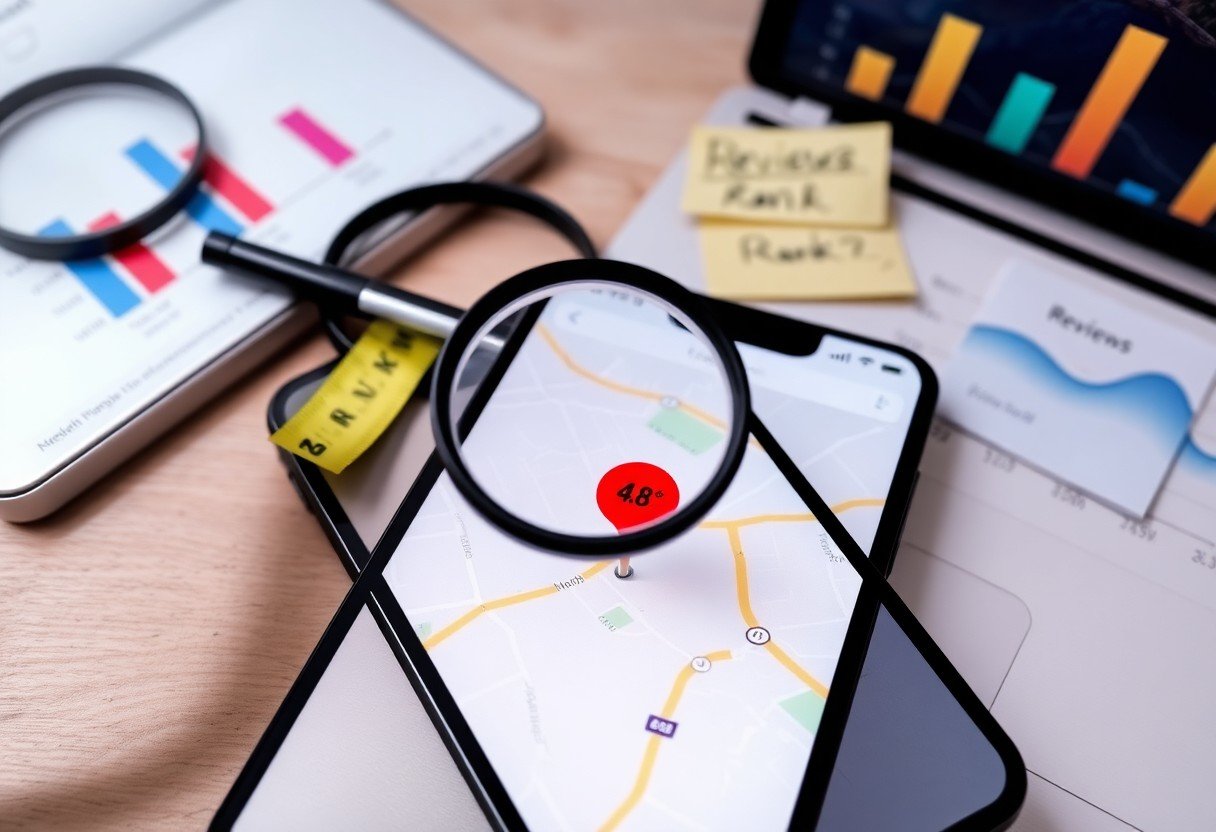
It’s proven that reviews determine your Google Maps ranking: positive ratings and genuine feedback boost visibility, while fake or negative reviews can harm traffic; you should solicit quality reviews and promptly respond to protect local SEO.
Why reviews matter for Google Maps SEO
Because reviews influence click signals and relevance, they shape your Maps rankings; positive, recent reviews raise trust while negative or fake ones can reduce visibility and conversions.
Reviews as ranking signals
Search algorithms analyze review quantity, recency, and sentiment, so you should solicit authentic feedback; high-quality reviews increase perceived authority and can improve local relevance.
Impact on local pack visibility and click-through rates
Higher average ratings and frequent positive reviews boost your local pack placement and raise CTRs, as users favor top-rated listings; small rating lifts often produce outsized traffic gains.
Additionally, you should track how a higher star rating and growing review volume increase impressions and clicks in the local pack; Google shows review snippets and average stars prominently, so small rating shifts alter user choice. Encourage recent, specific reviews with product/service keywords, respond promptly to feedback to build trust, and address fake or malicious reviews to prevent ranking damage.

Types of reviews and their SEO impact
Various review types – star ratings, text reviews, photo reviews, business replies – signal different levels of relevance and trust to Google Maps, influencing how you rank and attract clicks. This directly shapes your local visibility and conversion potential.
| Review type | SEO impact |
|---|---|
| Detailed text | Provides keywords and context that improve relevance for local queries. |
| Star-only | Signals reputation at a glance but offers limited keyword value. |
| Photo/video | Boosts engagement and perceived authenticity, aiding click-throughs. |
| Owner responses | Shows active management and can mitigate negative impressions. |
- Star ratings
- Text reviews
- Photo reviews
- Business replies
Quantity vs. quality: star ratings and review volume
High volumes of positive stars increase your visibility fast, but you still need detailed text reviews so Google and searchers understand your services and intent to sustain rankings.
Recency, velocity, and review lifecycle
Fresh reviews prove you’re active, while consistent review velocity signals ongoing relevance and helps you maintain or climb local rankings.
Monitor the timing and sources of reviews: sudden spikes can appear as spam and trigger penalties, whereas a steady flow of authentic, recent feedback strengthens your local signals, builds customer trust, and encourages Google to favor your listing in competitive queries.
Review content and keyword relevance
Understanding how review language signals intent and context helps you shape outreach; encourage mentions of specific services, nearby locations, and defining attributes to strengthen topical matches while avoiding repetitive, spammy phrasing.
Natural mentions of services, locations, and attributes
When reviewers naturally name your offerings and neighborhood, you gain clearer local signals that improve ranking for relevant queries; prompt authentic mentions of dishes, rooms, or street names to boost contextual relevance without forcing keywords.
How descriptive reviews feed semantic relevance
Descriptive reviews let you benefit from semantic associations by adding sensory details, use cases, and comparisons that help Google understand intent and related concepts, increasing visibility for varied search phrases with positive nuance.
Additionally, ask customers to note outcomes, timing, and distinguishing traits so search algorithms link phrases like “quick pickup” or “gluten-free options” to your listing; avoid scripted copy to reduce risk of penalties and preserve authenticity as your strongest SEO asset.
Signals beyond text
Beyond text, you must track non-text signals-ratings, photos, reviewer profiles, and engagement-that shape Google Maps SEO. High ratings and quality photos boost visibility, while fake or low-engagement signals can suppress your placement.
Ratings, photos, and reviewer profiles
Ratings, photos, and profiles give you immediate trust signals to users and algorithms. Average rating and recent photos increase clicks and map prominence; many low-star reviews lower conversions and ranking.
Engagement metrics: responses, votes, and follow-up interaction
Engagement metrics – responses, votes, and follow-up interactions – signal how active you are and affect Maps visibility. Timely owner responses and positive votes increase trust, while lack of follow-up interaction can reduce your perceived relevance.
Additionally, you should prioritize fast, substantive replies to reviews – ideally within 24-48 hours – as Google interprets active management as a sign of reliability. Encourage reviewers to add photos or updates, and solicit helpful votes on useful reviews to amplify positive feedback. Consistent follow-up and community engagement increase click-through rates and can shift rankings; conversely, ignored feedback signals neglect and lowers perceived authority.
Managing reviews ethically and legally
When managing reviews, you must follow platform policies and local law while upholding ethical standards. You should respond professionally, avoid incentivizing favorable feedback, and implement clear staff training to prevent manipulation or unlawful removal requests.
Best practices for soliciting genuine reviews
To solicit genuine reviews, you should ask satisfied customers promptly, make leaving feedback simple across channels, and use neutral prompts. Avoid offering discounts for positive reviews and train staff to request honest feedback only.
Detecting, disputing, and removing fake or defamatory reviews
If you spot fake or defamatory reviews, document timestamps and screenshots, flag items through Google Business Profile tools, and reply professionally to correct readers while you pursue removal.
Gather transaction logs, communication records, and screenshots that tie reviews to false accounts, prepare concise evidence, submit Google’s support or the legal removal request for harassment, and consult counsel if you face ongoing reputational harm while keeping public replies calm and factual.
Measuring and optimizing review-driven SEO
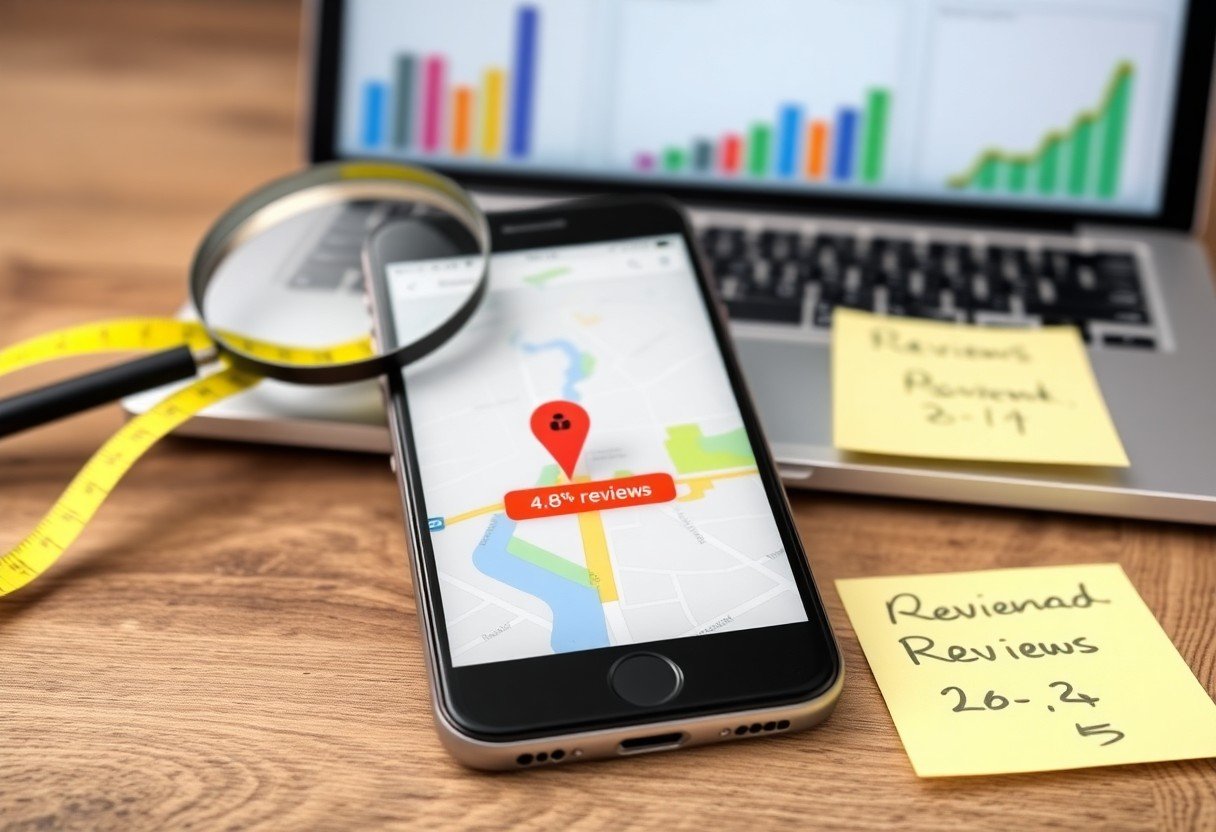
Measure the ROI of review-driven SEO by linking review activity to local rank shifts, Maps clicks, and conversions using Maps Insights, Google Search Console, and UTM-tagged campaigns. You should set baseline metrics and monitor changes monthly to tie review changes to tangible business outcomes.
Key metrics and tracking methods (rankings, traffic, conversions)
Track rankings, Maps impressions, referral traffic, conversion rates, average rating, review volume, recency, and sentiment. Use rank-tracking tools, Google Analytics events, and Maps Insights to correlate changes; prioritize shifts in rankings, traffic, and conversions when evaluating impact.
Tests and iterative strategies to improve review impact
Test review-request timing, messaging, and on-site prompts in small experiments; A/B different email sequences and call-to-action copy to raise positive response rates. Avoid fake reviews or incentivized practices that risk penalties; instead focus on increasing specific, recent feedback.
Refine experiments by defining clear hypotheses (for example, timing increases response rate by X%), segmenting audiences, and running tests long enough to reach statistical confidence. You should measure lift in rank, CTR, and conversions, log qualitative review changes, and iterate templates based on sentiment; monitor for policy violations and prioritize tactics that deliver sustained higher click-through rates and business value.
To wrap up
Drawing together, you see how reviews shape visibility, trust, and rankings on Google Maps; by soliciting authentic feedback, responding promptly, and optimizing responses you strengthen local SEO, user confidence, and conversions.