

Over time you observe that authentic reviews build trust and boost conversions, while paid ads often inflate costs and misleading claims erode credibility; you should prioritize proven social proof to lower spend and increase sales.
Why reviews convert better than paid ads
When you compare reviews to paid ads, you see that peer validation and ongoing visibility deliver deeper trust and higher conversion because recommendations feel earned, not bought.
Trust, social proof and peer influence
Socially driven reviews give you authentic signals that reduce skepticism and nudge hesitant buyers toward action through trust and visible peer influence.
Authenticity vs. polished advertising
Unlike glossy ads, reviews let you hear real outcomes and trade-offs, making it easier for you to align expectations and convert buyers who distrust polished advertising.
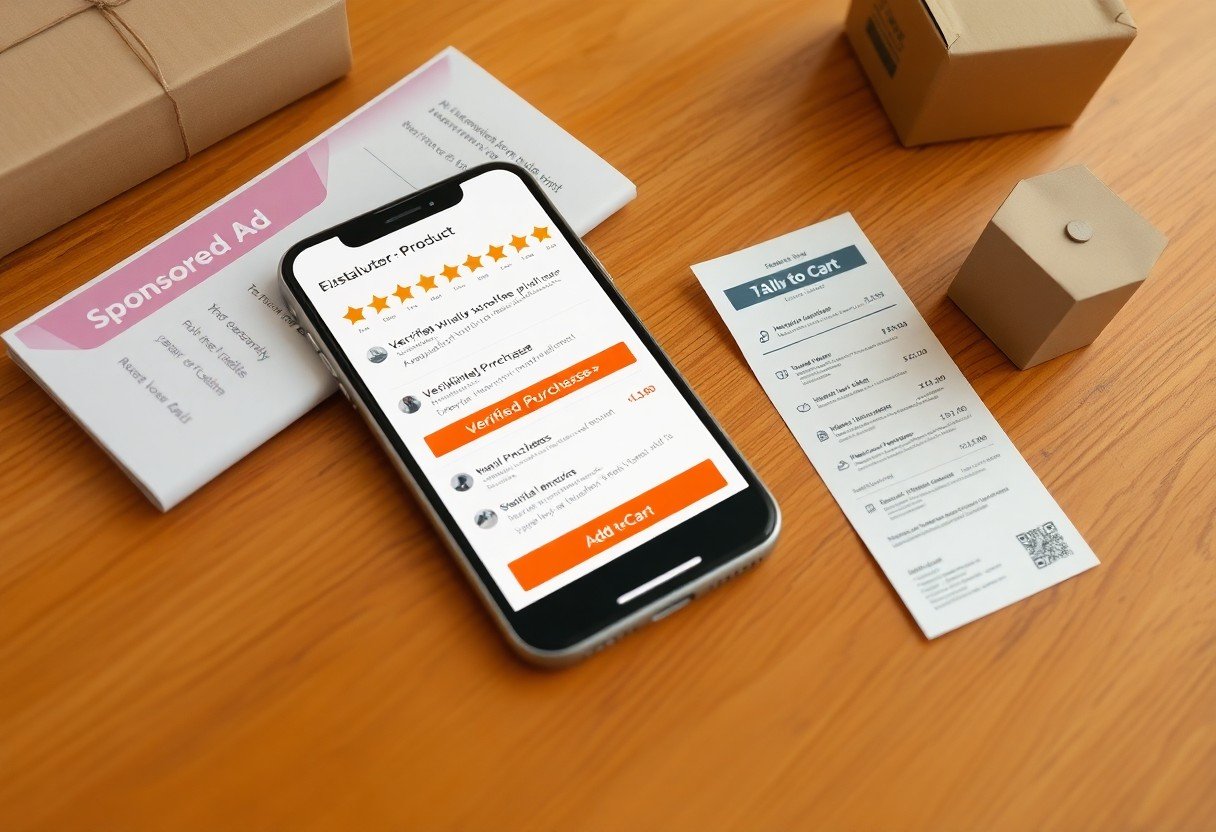
Evidence from A/B tests shows that when you surface user-generated content with specific pros and cons, you reduce returns, set accurate expectations, and see a measurable conversion lift over staged ad creative.
The psychology behind review-driven conversions
When you encounter reviews, your brain favors social proof, shortening evaluation time and increasing conversions by reducing perceived risk and amplifying trust.
Cognitive biases that amplify reviews
You rely on heuristics like confirmation bias, the availability effect and anchoring, so positive reviews disproportionately boost purchase intent compared with ads.
Emotional resonance and decision simplification
Emotions in reviews help you connect quickly, turning complex specs into relatable outcomes and creating decision simplicity that outperforms ad claims.
Stories and vivid details let you simulate using a product, intensifying trust and lowering perceived risk; when reviews tap into fear of loss or joy, you make faster, more decisive purchases guided by emotional resonance and clear value signals.
Metrics that prove the difference
Conversion rate, CTR and retention comparisons
When you compare review-driven flows to paid ads, conversion rates and CTRs often climb, and retention improves as users trust social proof more than ad copy, boosting repeat visits and purchases.
Review vs Paid Ad metrics
| Reviews | Paid Ads |
|---|---|
| Higher conversion & CTR; stronger retention and referral lift | Immediate reach and clicks; lower sustained retention |
| Lower incremental churn; organic growth | Scalable impressions; higher ongoing media cost |
CAC, LTV and long-term ROI implications
Compare customer acquisition cost: reviews lower CAC by improving organic conversion, while boosting LTV through trust-driven loyalty, yielding superior long-term ROI versus repeat ad spending.
Additionally, you should track how reviews reduce acquisition friction: lower ad spend and higher conversion mean reduced CAC, while satisfied customers increase average order value and repeat purchases, raising LTV. Over time, this compounds into a higher ROI that scales without proportional increases in media spend.
Collecting high-impact reviews
Effective review collection focuses your efforts on verified buyers, simple prompts, and fast UX so you gather high-impact feedback that converts better than paid ads.
Timing, incentives and UX for review requests
Schedule requests after meaningful product use, pair modest, relevant incentives with clear expectations, and create a one-click review flow so you minimize friction and boost response rates.
Ensuring credibility: verification and moderation
Confirm reviewers are verified purchasers via order links or badges, use automated fraud detection plus human moderation, and surface authentic reviews to protect trust.
Implement layered verification: tie reviews to purchase IDs, email confirmations, or platform tokens, flag anomalies with machine learning and escalate suspicious patterns for manual review. Display verified badges, reviewer history, timestamps, and user-uploaded photos to signal credibility. If you ignore fake reviews you risk lost trust and legal exposure, so enforce transparent moderation policies and retain audit logs.
Leveraging reviews across channels
Across channels, you should syndicate reviews to build consistent trust, prioritizing formats that match each touchpoint and measuring lift so you can scale placements that drive the biggest conversion gains.
On-site placement, product pages and landing pages
Feature reviews adjacent to CTAs, product images and above the fold so you reduce friction and answer buyer doubts instantly; prioritize recent, high-quality feedback over volume.
Using reviews in email, social and paid campaigns
Integrate snippets and star ratings into subject lines, hero images and ad creatives so you boost open rates and click-throughs, while ensuring testimonials comply with platform rules.
Amplify performance by segmenting review content: you can showcase 5-star highlights for new prospects, address common objections in triggered flows, A/B test placements and creatives, and feed fresh testimonials into paid ads; guard against misleading claims and outdated quotes to avoid regulatory risks while capturing maximal lift.
Handling negative feedback and legal/ethical risks
When negative reviews arrive, you should act fast: document evidence, avoid public arguments, and escalate serious claims to counsel; mishandling can cause legal exposure and long-term reputation damage.
Responding, resolution and reputation recovery
Always respond within 48 hours with empathy, offer concrete remedies, and take sensitive issues offline; this turns complaints into customer recovery and lowers public escalation risk.
Transparency, compliance and fake-review prevention
Ensure you publish clear review policies, verify contributors, and follow platform and legal rules; proactive controls reduce fake-review risk and protect you from regulatory penalties.
Implement layered defenses you can scale: require verified-purchase flags, rate-limit submissions, screen by IP/device, and deploy ML to flag anomalies; keep an audit trail of moderation actions, publish plain-language rules, disclose incentives, train staff on FTC/GDPR standards, and consult legal counsel to avoid regulatory fines or damaging takedown disputes.
Final Words
The social proof in reviews builds trust faster than ads, so you convert more leads by highlighting authentic customer experiences, optimizing review visibility, and addressing objections transparently; by prioritizing reviews you guide buying decisions and improve ROI without escalating paid acquisition costs.