
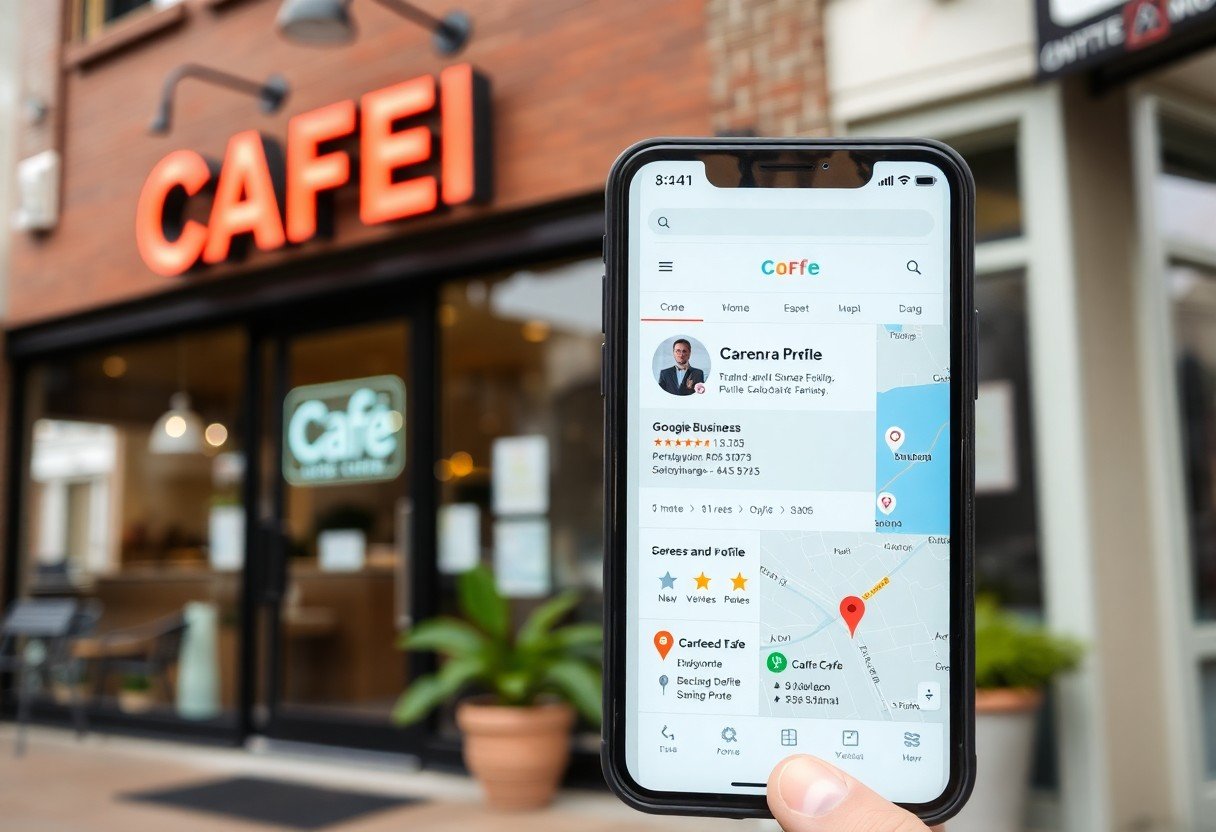
Most often, your local SEO shapes first impressions: when you maintain consistent listings, accurate info and visible positive reviews, you inspire trust; conversely, incorrect details drive customers away.

Why Local SEO Matters for Customer Confidence
When your business appears in local results, you give customers the trust signals they seek-accurate information, verified hours, and social proof. That visible consistency makes it easier for people to choose you, increasing perceived reliability and the likelihood that you will be contacted or visited.
Search intent, trust signals, and conversion
Because search intent reveals what customers need, aligning your listings with that intent builds trust and increases conversion. You should optimize meta, FAQ, and local content so people find immediate answers, see credible reviews, and feel confident to act-calling, booking, or buying.
The importance of proximity, visibility, and convenience
Proximity matters because people often search for immediate solutions; high visibility in maps and local packs signals accessibility. When you present accurate location, hours, and quick directions, you lower friction and increase walk-ins or local calls.
Additionally, mobile-first searches prioritize nearby options, so if your NAP is inconsistent or shows a wrong address, you lose trust fast. Maintain consistent citations, local schema, and clear delivery/parking notes so you maximize conversions from proximity-driven intent.
Local SEO Elements That Convey Credibility
These elements-accurate listings, strong reviews, and proper schema-signal to searchers and engines that you’re legitimate and trustworthy, increasing clicks and foot traffic.
NAP consistency, citations, and structured data
Consistent NAP across sites and accurate citations make it easy for customers to find and trust you; inconsistent NAP can mislead search engines and cost leads, while structured data clarifies your offer to both users and rankings.
Localized content, keyword relevance, and schema
Targeted, locally focused pages and keyword use show visitors you understand their needs; combined with schema, they improve relevance and increase conversions in your service area.
Additionally, you should use neighborhood names, FAQs, and case studies to align intent; optimize titles, meta descriptions, and headings with local keywords, but avoid keyword stuffing, and use schema markup to surface hours, services, and reviews.
Reviews, Ratings, and Reputation Management
Online reviews and ratings shape local trust; you should monitor ratings, highlight top testimonials across listings, and address issues quickly so prospects see active, responsive reputation management.
Soliciting, showcasing, and responding to reviews
When you request feedback, send simple links at the right moment, showcase positive testimonials on your profiles, and reply to every review to reinforce credibility and encourage more engagement.
Handling negative feedback and building social proof
Responding to negative reviews publicly demonstrates accountability; offer a brief apology, propose a clear solution, and invite offline resolution to convert criticism into social proof.
Addressing complaints promptly prevents escalation: you should apologize quickly, investigate root causes, and offer a remedy or compensation when justified. Move detailed discussions offline, then request an updated review so the public record reflects the fix. Track recurring issues to fix processes and turn resolved cases into stories that turn critics into advocates; ignoring complaints is dangerous for long-term trust.
Google Business Profile & Local Listings Optimization
Optimize your profile and listings to boost local trust and visibility; keep name, address, phone accurate, and align categories to services so you appear for relevant searches.
Complete profile fields, categories, and attributes
Fill every profile field, choose precise categories, and set attributes to reflect accessibility, payment options, and offerings; this helps you build confidence and prevents misleading signals that hurt trust.
Photos, posts, services, and booking integrations
Use high-quality photos, timely posts, clear service listings, and booking links so you present a professional, accessible presence that encourages conversions.
Consistently upload varied images-exteriors, interiors, staff and products-and post updates with offers or news; keep service descriptions concise and keyword-rich, and connect booking tools (Reserve with Google or your scheduler) so you remove friction. High-quality visuals and live availability increase clicks and bookings, while outdated or misleading photos can erode trust and reduce conversions.
Local Links, Partnerships, and Community Presence
Strengthening local links and partnerships signals community relevance to search engines and customers; you should focus on quality over quantity and visible community engagement to build trust quickly.
Relevant local backlinks and citation strategies
Utilize local backlinks from respected community sites and consistent NAP citations; prioritize high-quality local sites and avoid spammy directories that can harm rankings.
Sponsorships, local events, and PR for trust
Engage through sponsorships, events, and PR to show you invest in the area; visible support boosts trust while genuine involvement differentiates you from competitors.
Partnering with schools, charities, and local media gives you repeat exposure and social proof; ensure sponsorships align with your brand values and avoid token gestures that may be seen as opportunistic or damage reputation.
Measuring Trust: KPIs and Optimization
Metrics that reflect confidence (CTR, calls, foot traffic)
Track CTR, call volume, and foot traffic to gauge how your listings convert attention into action; prioritize high CTR, rising calls, and steady foot traffic as signs of growing customer confidence, and flag sudden drops as potential trust issues to investigate.
Testing messaging, landing pages, and review strategies
Refine messaging, landing pages, and review prompts through small experiments so you can see which copy, offers, and CTAs drive more trust signals; emphasize clear guarantees and manage negative feedback proactively to turn issues into trust-building moments.
When you run A/B tests, set clear hypotheses and sample sizes so you can detect meaningful lifts in CTR, calls, or conversions; use UTM tracking, call trackers, and session recordings to connect messaging and layout changes to real-world trust signals. Prioritize fast load times, persuasive proof elements, and a process to address negative reviews promptly to prevent reputational damage.
To wrap up
Drawing together, you see how local SEO verifies your business presence, surfaces reviews, and aligns search signals so potential customers trust your reliability and choose you before competitors, making your online visibility a practical tool for building consistent confidence.