
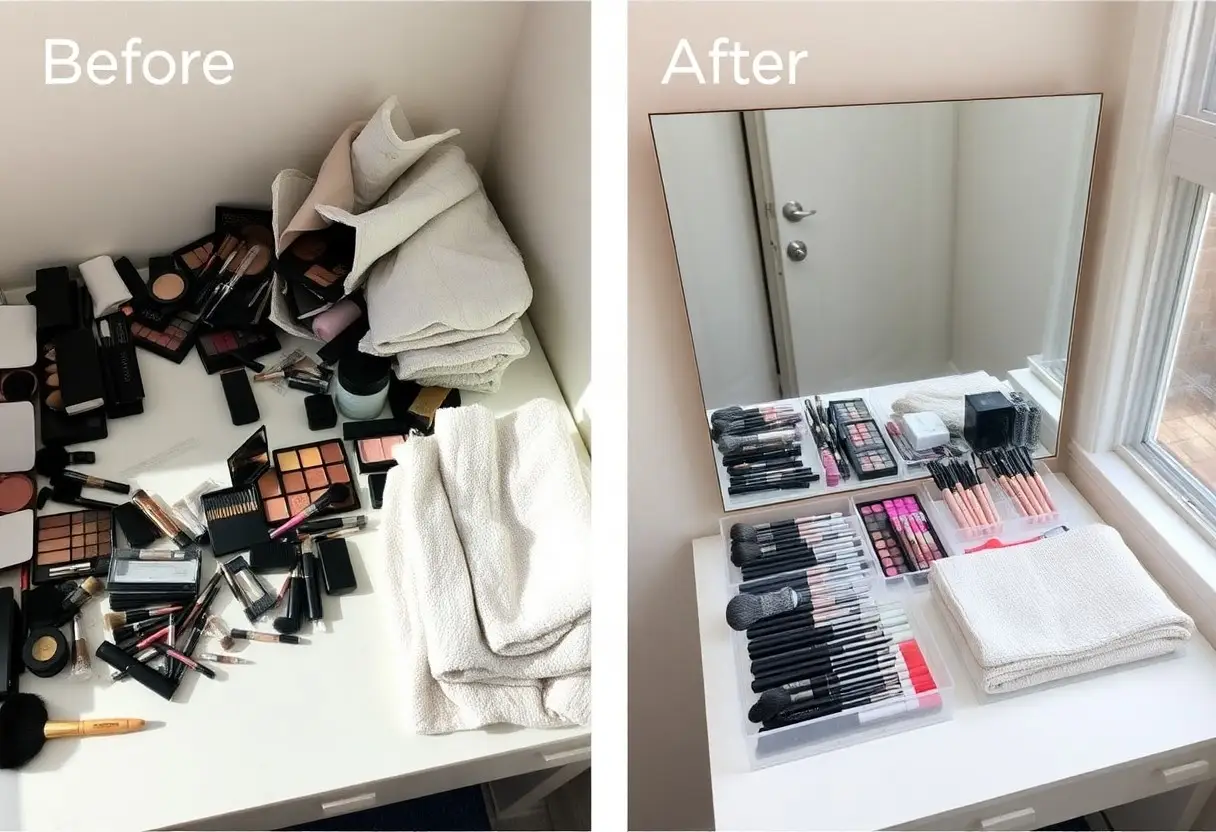
Most people underestimate how powerful visual proof can be in shaping perception-yours and your audience’s. By showing a clear transformation, you highlight real progress and make growth tangible. When you consistently share honest before-and-after stories, you build authentic confidence-not just in your results, but in your journey.
Key Takeaways:
- Show real transformations with clear visuals and honest context-people trust what they can see and relate to.
- Focus on specific problems and how they were solved, not just the end result, so your audience understands the journey.
- Use testimonials or personal stories alongside before-and-after examples to add authenticity and emotional connection.
Identifying Key Factors for High-Impact Visuals
- Lighting must remain consistent to highlight true changes
- Angles should match exactly for accurate comparison
- Subjects need to be authentic and relatable to build trust
- Time intervals between shots influence perceived progress
- Backgrounds must stay neutral to avoid distractions
The most compelling transformations speak for themselves when every detail supports clarity and truth.
Ensuring Consistency in Lighting and Angles
You control how convincing your visuals appear by keeping lighting and camera angles identical. Even slight shifts can distort perception, making changes seem less noticeable or even misleading. The
Selecting Authentic and Relatable Subjects
Real people with genuine results draw stronger emotional responses than polished models. When your audience sees someone like them, the transformation feels achievable. The
Selecting Authentic and Relatable Subjects
People trust stories they can see themselves in. Choose subjects who reflect your audience’s age, lifestyle, or challenges to increase emotional connection. Avoid overly edited or staged appearances-authenticity builds credibility faster than perfection. Viewers respond to honesty, and a real face with real progress often outperforms a flawless but distant image. The
How to Craft a Compelling Transformation Story
You build trust by showing real change, not just telling it. A powerful story starts with honesty-your audience connects when they see themselves in the struggle. Focus on emotional truth and measurable progress to make your journey relatable and credible.
Defining the Initial Challenges and Goals
Start by naming the exact problem you faced. Be specific about how it affected your daily life or work. Clearly stating your original goal creates a clear benchmark-your audience needs to know the starting point to appreciate the full weight of your transformation.
Outlining the Specific Steps to Success
Detail the actions you took, one at a time. This sequence shows your path wasn’t accidental-it was intentional and repeatable. Highlighting each step builds credibility and clarity, helping others see that progress is possible with consistent effort.
When you break down your success into tangible actions, you turn inspiration into instruction. Instead of vague advice like “stay consistent,” name the habits: “I tracked my progress every morning” or “I reviewed feedback weekly.” These specifics transform your story from a feel-good moment into a practical roadmap. The more precise you are, the more your audience can follow your lead-and believe they can achieve the same results.
Practical Tips for Maximizing Audience Trust
- Use authentic testimonials to reinforce credibility
- Show real timelines to reflect honest progress
- Include measurable results for clear impact
Knowing your audience values honesty, present changes without exaggeration. Let facts speak through clear visuals and documented progress, building long-term trust.
Integrating Verifiable Data and Timelines
Data strengthens your story. Share exact dates, metrics, and milestones to show progression. Transparent timelines prevent skepticism and prove consistency. Knowing your audience notices details, accuracy builds credibility fast.
Utilizing High-Resolution Imagery and Video
Sharp visuals leave strong impressions. Blurry or poorly lit images raise doubts about authenticity. High-resolution photos and videos clearly display transformation. Knowing perception shapes trust, quality media supports your message.
When viewers see crisp, detailed images or smooth video clips, they’re more likely to believe the change is real. Grainy or compressed visuals suggest deception or carelessness. Use natural lighting, consistent angles, and unedited close-ups to highlight genuine results. This level of clarity doesn’t just impress-it reassures.
Strategic Implementation Across Digital Platforms
You maximize impact by aligning before-and-after content with each platform’s user behavior. Matching visual format to audience expectations increases engagement and trust. Whether it’s a static image on Facebook or a swipeable story on Instagram, consistency in messaging while adapting to technical specs ensures your transformation stories are seen, believed, and acted upon.
Designing High-Conversion Landing Pages
Your landing page must spotlight the transformation clearly and quickly. Place before-and-after visuals above the fold to capture attention instantly. Pair them with concise, benefit-driven copy and a single, prominent call to action to reduce friction and increase conversions.
Engaging Audiences via Social Media Feeds
Your audience scrolls fast, so your before-and-after content needs to stop them mid-feed. Use bold contrasts and real results in native formats like carousels or Reels. Authenticity wins-real photos, real progress-builds trust faster than polished ads ever could.
Social media thrives on relatability, and nothing resonates more than visible change. When you post a genuine transformation-say, a home renovation or fitness journey-your audience doesn’t just see progress, they imagine their own. Tagged user-generated content and timed reveal posts deepen engagement, turning passive viewers into active participants. Timing each post to match audience habits ensures your message lands when attention is highest.
Navigating Legal and Ethical Requirements
Complying with legal and ethical standards protects both you and your clients. You must understand industry-specific regulations, especially when sharing visual content. Ignoring these rules can lead to serious penalties or reputational damage. Always document permissions and honor privacy to maintain trust and professionalism in your work.
Securing Explicit Client Consent
You need clear, written permission before using any client’s image or story. Verbal approval isn’t enough-use a signed consent form that outlines exactly how the content will be used. This step ensures legal protection and shows clients you respect their boundaries and autonomy.
Maintaining Transparency in Results
You build real trust by showing honest outcomes, not exaggerated transformations. Avoid heavy editing or misleading timelines. Presenting authentic progress helps audiences believe in the process and sets realistic expectations for future clients.
Transparency means more than just avoiding filters-it means context matters. Share the full picture: how long results took, what effort was involved, and any setbacks. When you reveal the journey behind the change, you turn skepticism into credibility. Clients appreciate honesty, and prospects respond to realistic, relatable outcomes over perfection.
Summing up
On the whole, you build confidence by showing clear, honest before-and-after content that reflects real progress. Your audience sees tangible results, which strengthens trust. When you present transformations with authenticity-using visuals, testimonials, or data-you give people proof they can rely on. This approach turns skepticism into belief, simply by letting the changes speak for themselves.