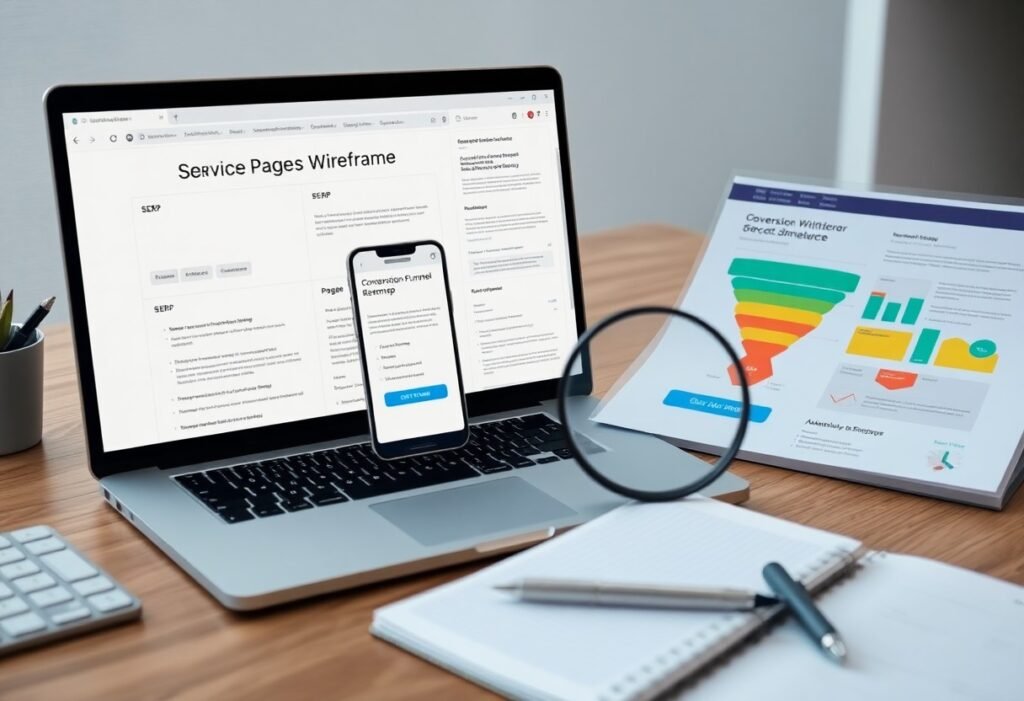

It’s clear that blog content strengthens your main service pages by driving targeted traffic and boosting SEO rankings. You answer real questions your audience asks, which builds trust and positions you as an authority. Over time, this consistent, helpful content leads to higher conversion rates and long-term visibility in search results.
Key Takeaways:
- Blog content helps clarify and expand on topics related to your main service pages, giving visitors a deeper understanding of how your services solve their problems.
- Regularly publishing relevant blog posts increases opportunities to rank in search engines for long-tail keywords that lead users directly to your service offerings.
- Blogs create natural internal linking pathways, guiding readers from informational content to key service pages, improving user experience and conversion potential.
The Tipping Point of Credibility
One well-placed blog post can be the difference between trust and hesitation. When visitors see thoughtful, consistent content tied to your service, they stop questioning your expertise. You’re not just offering a solution-you’re proving you understand the problem deeply and have helped others solve it before.
How narrative context transforms a service into a solution
Storytelling turns features into relatable outcomes. When you share real challenges and how your service addressed them, readers no longer see a generic offering-they see a proven path forward. This context makes abstract benefits tangible and positions your service as the answer they’ve been searching for.
The psychological shift from curiosity to commitment
Curiosity brings people in, but only confidence drives action. Each blog post you publish builds subtle trust by answering unspoken doubts. Over time, this steady stream of value leads readers to a quiet certainty-they don’t need to look elsewhere because you’ve already shown you understand them.
Confidence isn’t built in a single click. It grows when someone reads a post that answers a specific concern they didn’t think anyone else noticed. That moment-when they realize you “get it”-triggers a shift. Their internal question changes from “What do you do?” to “When can we start?” This is how content quietly removes friction, turning passive interest into actionable intent without a single sales pitch.
The Architecture of Digital Authority
Your website’s structure shapes how both users and search engines perceive your expertise. A well-organized hierarchy positions your service pages as definitive answers, supported by blog content that reinforces credibility, context, and clarity across every user journey.
Establishing mastery through the depth of specialized knowledge
Depth signals authority. When you consistently publish focused blog posts that explore niche aspects of your field, you demonstrate a level of understanding competitors can’t match-proving to visitors and algorithms alike that your service pages are rooted in real expertise.
Why service pages need the weight of supporting evidence
Service pages make promises. Without supporting content, those promises feel hollow. Blog posts act as proof points that validate your claims, giving users the confidence to convert and search engines the context to rank you higher.
People don’t trust bold statements without backup. When someone lands on your service page, they’re looking for reassurance that you deliver what you promise. A blog that details case studies, explains methodologies, or breaks down industry challenges provides tangible evidence of your competence. These pieces become the foundation that lifts your service offerings from generic descriptions to trusted solutions. Without this layer, even the best-designed service page risks being dismissed as marketing fluff. Your blog doesn’t just support-it transforms skepticism into credibility.
The Hidden Logic of User Navigation
Every click you receive reveals intent most businesses overlook. Users don’t follow linear paths-they loop, backtrack, and jump between content types. Your blog acts as a silent guide, aligning with these unpredictable patterns by answering micro-questions along the way. When done right, it reduces bounce rates and keeps visitors engaged longer, naturally steering them toward your core service pages without force.
Creating a frictionless path toward the conversion funnel
You eliminate hesitation when blog content answers doubts before they arise. A visitor reading about a common problem may not be ready to buy, but if your post links to a relevant service page with clear context, the transition feels natural. This strategic alignment turns passive readers into active prospects without aggressive calls to action.
Distributing search relevance across the entire ecosystem
Your service pages don’t have to carry all the SEO weight. Blog posts targeting long-tail variations and niche questions spread keyword authority across your site, boosting visibility for primary pages indirectly. Each article becomes a supporting node, helping search engines understand your site’s depth and expertise.
Search engines reward websites that demonstrate comprehensive coverage of a topic. When your blog consistently addresses related questions, use cases, and pain points, it signals authority. This network of content funnels relevance back to your main service pages, improving their rankings even for competitive terms. You’re not just publishing articles-you’re building a discoverability engine that works 24/7 to pull in qualified traffic.
Decoding the Intent of the Searcher
You already know traffic matters, but not all clicks lead to conversions. The real power lies in understanding what someone truly wants when they type a query. Matching your blog content to the searcher’s intent turns casual readers into qualified leads by answering the exact question behind the search.
Addressing the unspoken anxieties that hinder a sale
Fear of being oversold or wasting money keeps many prospects from contacting you. Your blog can quietly dismantle these barriers by acknowledging common doubts. When you name the worry, you reduce its power and build trust before the first conversation even begins.
Providing the context required to justify professional value
People hesitate to pay for services they don’t fully understand. Your blog explains why shortcuts fail and expertise matters. Clear examples of risk and reward help visitors see your fee as protection, not expense.
Value isn’t assumed-it’s demonstrated. A well-placed blog post can walk readers through a past client’s problem, the stakes involved, and how your solution prevented costly mistakes. You’re not just stating your worth; you’re letting real outcomes prove it. This kind of storytelling makes your service feel necessary, not optional.
The Compound Interest of Educational Assets
Every blog post you publish acts like a deposit in a long-term content account. Over time, consistent educational content multiplies your visibility and builds trust with audiences searching for answers you already provide.
Using specific insights to capture high-intent traffic
You attract qualified visitors when you address precise questions within your niche. Targeting specific pain points with data-driven insights positions your service pages as the natural next step for users ready to convert.
Strengthening the long-term visibility of core offerings
Content that explains industry concepts funnels readers toward your main services without direct selling. Each post reinforces your authority and increases the likelihood your core pages appear in relevant searches over time.
Search engines reward websites that demonstrate depth and consistency in their messaging. When your blog regularly expands on topics tied to your main services, it signals relevance and expertise. This helps your service pages rank higher, even for competitive terms, because the supporting content strengthens topical authority. You’re not just publishing articles-you’re building a foundation that sustains visibility for years, turning individual posts into long-term assets that continue driving traffic long after publication.
Final Words
Considering all points, your blog content strengthens your main service pages by guiding visitors with relevant insights and building trust through consistent, helpful information. You position yourself as a reliable resource, improving search visibility while turning casual readers into informed clients who are ready to engage with your services.