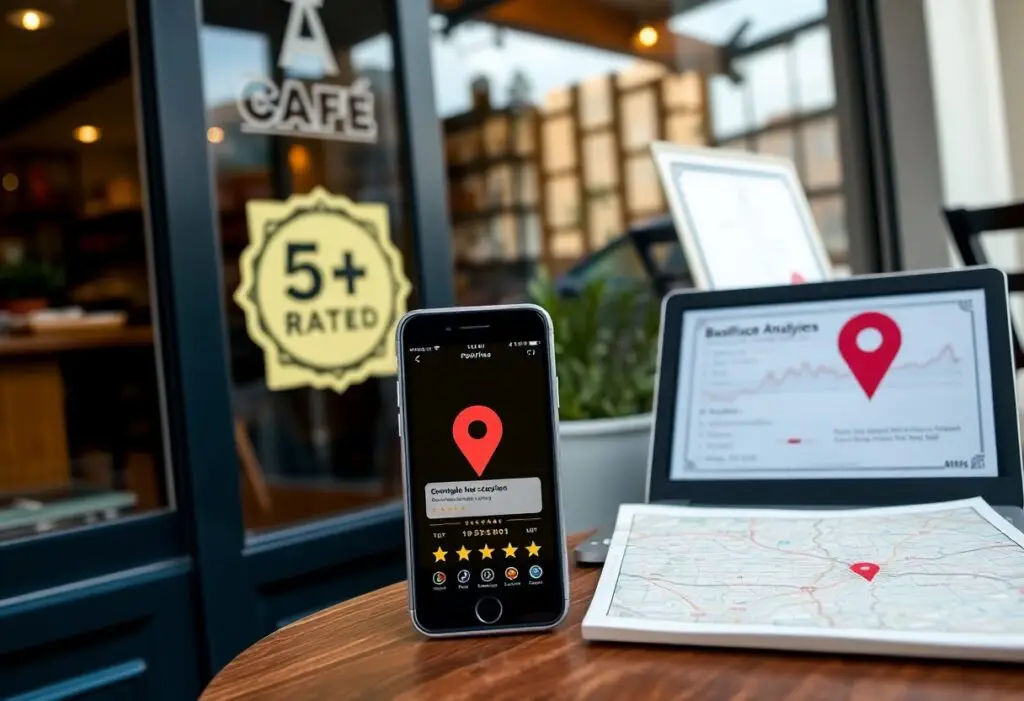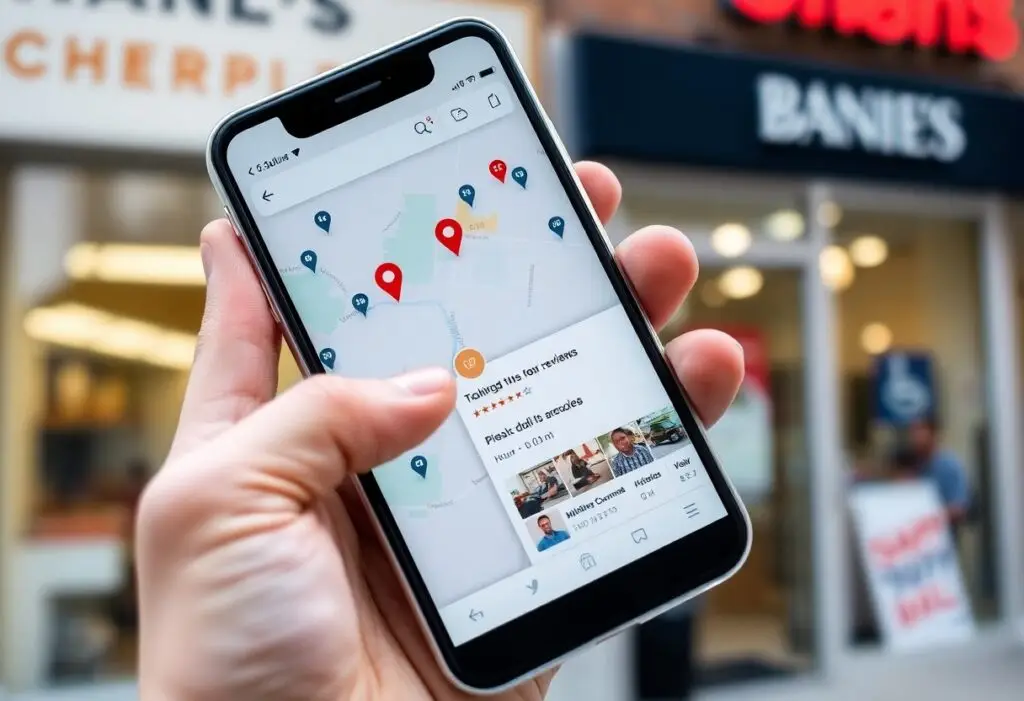
It’s crucial you manage online reviews and profiles because positive reviews and consistent listings boost trust and visibility, while negative feedback can quickly erode local authority; you must monitor, respond, and optimize to establish and protect your community credibility.
Why Online Reputation Matters for Local Businesses
Since your online reputation forms first impressions, it directly influences local foot traffic and referrals. Positive ratings boost trust while negative signals can cause lost customers. You must manage reviews and listings to protect and amplify your local authority.
Impact on search visibility and local SEO
When search engines see frequent, recent positive reviews, they reward you with higher local rankings. Conversely, unmanaged negatives lower visibility. You should sync citations, optimize profiles, and encourage verified reviews to improve discoverability.
Influence on consumer trust and conversion
Trust builds rapidly online, so positive reviews make you appear reliable and increase clicks, calls, and visits. Negative, unresolved critiques create doubt and reduce conversions. You should respond promptly and turn service issues into conversion opportunities.
Moreover, you can leverage testimonials, user photos, and timely replies to amplify positive perception; failing to act lets negative reviews spread quickly and erode trust. Track response times and showcase resolved issues to convert skeptics into repeat customers and secure higher lifetime value.

Key Reputation Signals
Effective reputation signals combine public feedback, social activity, and directory accuracy to shape how local customers and search engines view you. Prioritize authentic reviews, active engagement, and NAP consistency to build local authority and customer trust.
Reviews and ratings platforms
Platforms like Google, Yelp, and industry sites let you collect feedback that directly affects visibility and conversion. Encourage detailed, recent reviews and respond promptly; negative feedback handled well can boost trust.
Social proof: mentions, shares, and endorsements
Social signals – mentions, shares, endorsements – show real-world validation and influence local search perception. Engage followers, solicit endorsements, and highlight positive mentions to amplify your local authority.
Moreover, social proof extends beyond raw counts: context, influencer credibility, and timing shape perception. You should monitor brand mentions, thank advocates, and convert positive interactions into testimonials or case studies. Spotlighting trusted endorsements on landing pages and in ads strengthens conversion rates and signals relevance.
Directory consistency and local citations
Consistent NAP across directories, citations, and your website helps search engines trust your location data. Audit listings, fix duplicates, and ensure identical contact details to prevent lost leads.
Additionally, citation quality matters more than quantity: authoritative local directories, industry references, and correct schema markup boost discovery. You must correct mismatches, merge duplicates, and watch aggregator feeds; inconsistent entries can lower rankings and confuse customers. Mark key profiles with accurate geodata and hours to maximize visibility in local packs.
Strategies to Build and Manage Reputation
Implement a mix of outreach, monitoring and content tactics so you can shape perception locally. Focus on consistent monitoring, quick responses and visible social proof to strengthen your authority in search results and community conversations.
Soliciting and encouraging authentic reviews
Encourage your customers to leave short, specific reviews by asking at peak satisfaction moments and simplifying the process for them. You should incentivize ethically and highlight authentic reviews to build trust that improves local visibility.
Responding to positive and negative feedback
Address both praise and complaints promptly, acknowledging issues and thanking supporters so you show care. Let timely, thoughtful responses convert critics, retain customers and demonstrate reliability to potential clients.
When you reply, open with empathy, state what you’ll do, and offer a clear remedy or private channel for sensitive matters; for praise, personalize gratitude and invite referrals. Prioritize public replies that model professionalism and log feedback so you can fix systemic issues that damage reputation.
Creating local content and thought leadership
Develop content that speaks to neighborhood needs, events and case studies to position you as an expert. Use local keywords, partnerships and local insights to increase visibility and community trust.
Expand by publishing FAQs, local guides, opinion pieces and videos that solve specific problems; you should syndicate on community sites and social channels. Speak at events and repurpose clips to maintain a consistent cadence that cements authority and generates review-worthy interactions.
Measuring Reputation and Local Authority
Measuring reputation ties local authority to data so you can act quickly; track sentiment trends, spikes in negative feedback as a warning, and growth in positive reviews as proof of influence.
Essential metrics and KPIs
Metrics you should watch include average rating, review volume, sentiment score, and review velocity, because they signal reputation health, risk from sudden drops, and opportunities to amplify positive momentum.
Tools and monitoring workflows
Platforms that give real-time alerts, unified dashboards, and automated tagging let you detect negative surges, prioritize responses, and showcase positive trends to stakeholders.
Integrations between review aggregators, your CRM, analytics, and team channels let you automate alerts, route issues, and produce consistent reports; set real-time alerts for sudden drops in average rating, define clear escalation paths for damaging negative reviews, use response templates to move fast, and schedule dashboards to prove rising local authority.
Integrating Reputation with Local Marketing
Integrating reputation into local marketing means you align reviews, listings, and outreach so your business appears authoritative in local searches; focus on consistent NAP, verified listings, and amplified reviews to convert local traffic into trusted customers.
Local listings, on-page optimization, and schema
Optimize your local listings and on-page SEO so search engines and customers trust your presence; implement local schema, maintain NAP consistency, and use geo-targeted keywords to improve visibility and click-through.
Community engagement and local PR
Engage actively with local groups, events, and media so you earn high-authority mentions and customer trust; proactively manage issues to limit the impact of public complaints on your reputation.
Consistently participate in neighborhood events, sponsor causes, and pitch community stories so you convert visibility into credibility. You should use targeted press outreach, partner with local influencers for authentic endorsements, and publish local case studies. When incidents arise, deploy a rapid-response approach that acknowledges concerns, corrects facts, and documents resolutions publicly while tracking sentiment to link PR efforts to search performance.
Risk Management and Crisis Response
Managing risk requires a proactive monitoring plan so you catch issues early, respond swiftly, and protect local trust. Establish clear protocols for escalation and designate spokespeople; speed and transparency keep authority intact.
Detecting and addressing fake or harmful reviews
When you spot fake or harmful reviews, verify evidence, document timestamps and user details, and flag them through platform channels. Respond publicly with concise facts to limit damage, and consider escalation to legal counsel if attacks are coordinated.
Containment, remediation, and reputation recovery
If you act fast, contain the issue, apologize where appropriate, and publish corrective actions so the community sees progress. Pair timely containment with customer remediation and ongoing monitoring to begin reputation recovery.
Acting quickly, you should run a structured triage: confirm facts, isolate affected channels, and prepare a factual public response that acknowledges impact without overcommitting. Provide direct remediation-refunds or corrections-offer personalized outreach, and update policies to prevent recurrence. Amplify satisfied customers and fresh content to repair search visibility, track sentiment as leading indicators, and engage counsel only for coordinated defamation or fraud.
To wrap up
As a reminder, cultivating positive reviews, consistent local listings, and responsive engagement signals to customers and search engines that you are a trusted local authority; you will attract more leads, improve rankings, and strengthen community influence through deliberate reputation management.