
With a targeted content strategy, you build local visibility and trust, avoid the risk of lost customers from poor relevance, and drive higher rankings and qualified leads that power sustained local growth.
The local search landscape
Today the local search landscape favors businesses that blend location signals with useful content; you must align GBP listings, local pages, and topical posts to win visibility and foot traffic.
Understanding local intent and user behavior
When you optimize content for local intent, you shape snippets, directions, and conversions by matching queries to immediate needs like availability, proximity, and purchase readiness.
How Google evaluates local relevance (GBP, proximity, prominence)
By evaluating GBP accuracy, proximity, and prominence, Google favors listings with consistent NAP, strong reviews, and relevant local links that increase your visibility.
You should optimize a complete GBP profile (accurate name, address, phone, hours, categories, attributes) because Google parses those fields for relevance; ensure geotargeted pages and schema support proximity. Also build local backlinks, manage positive reviews, and fix inconsistent NAP quickly to avoid ranking loss. Behavioral signals-CTR, direction requests, and visits-boost prominence, so use content and offers that drive on-site actions.

Why content is a ranking and conversion driver
Content drives local visibility and leads by targeting intent, answering queries, and nudging actions; when you optimize for local terms it boosts both rankings and conversions, turning searches into measurable revenue.
Content builds topical authority and relevance for local modifiers
Local pages let you demonstrate expertise around neighborhood phrases and services, building topical authority so search engines prefer your pages for modifiers like ‘near me’ or ‘in [neighborhood]’.
Content supports trust signals: reviews, citations, and user engagement
Trust increases when you create pages that solicit reviews, display consistent citations, and invite interaction; those signals-along with steady user engagement-help search engines and customers favor your listing.
Additionally, you should embed review prompts, keep NAP consistent across directories, implement LocalBusiness schema, and publish sharable, answer-driven content so you amplify trust signals and make listings more clickable and defensible.
Audience-first content planning
Prioritize audience-first planning so you create content that maps to local intent, drives visits, and converts. You should focus on what locals search for, segment by behavior, and use location signals to guide topic choice for measurable gains.
Mapping local customer journeys and intent clusters
Analyze search stages and group queries into intent clusters so your content meets needs at awareness, consideration, and purchase. You must identify local touchpoints where searches turn into visits and remove friction that causes lost conversions.
Developing location-specific personas and pain-point content
Craft location-specific personas that reflect local language, culture, and obstacles, then produce pain-point content that answers immediate needs, preventing generic messaging and increasing your chances of ranking and converting nearby customers.
Deepen your personas by combining local data – search queries, Google Business Profile insights, reviews, customer calls, and foot-traffic patterns – to surface recurring needs and language. Then map content formats to each persona’s stage: quick FAQs for intent, service pages for purchase, localized guides for comparison. Focus on high-frequency pain points and avoid generic national copy, which can drive rankings down and erode trust; well-targeted content yields higher conversion rates and stronger local visibility.
Practical content types and on-site tactics
Implementing a focused content strategy helps you scale local visibility: match pages to intent, avoid thin duplicates, and signal relevance through structured markup. Keep content localized, factual, and linked across your site to boost local SEO.
- Location pages – city-specific NAP, hours, unique copy
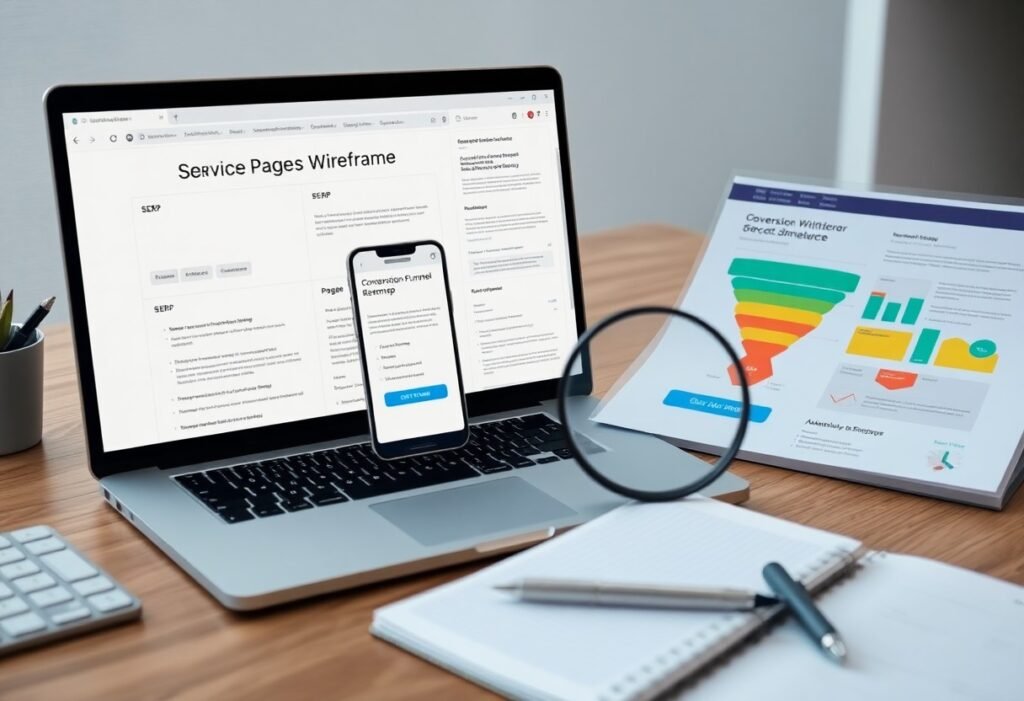
- Service pages – intent-focused descriptions and CTAs
- FAQs – answer local queries with schema-friendly Q&A
- Blog posts – hyperlocal topics and events
- Case studies/reviews – social proof and geographic signals
| Location pages | Unique local copy, precise NAP, Google Business links |
| Service pages | Intent-led headings, CTAs, internal links to locations |
| FAQs | Structured Q&A, targeted long-tail local queries |
| Blog posts | Hyperlocal content, event tie-ins, community signals |
| Structured data | Schema for LocalBusiness, GeoCoordinates, and reviews |
High-impact assets: location pages, service pages, FAQs, blog posts
Prioritize location pages, service pages, FAQs, and blog posts so you give each unique, localized content, clear CTAs, and schema to drive map placements and organic clicks.
Structured data, internal linking, and content hierarchy for local relevance
Leverage structured data and internal linking so you create a clear content hierarchy that signals local relevance; use consistent NAP to avoid confusion and indexing issues.
After implementing schema, you should test Rich Results, use breadcrumb and hub pages to funnel authority, and remove or consolidate duplicate content that can damage local rankings.
Off-site content and Google Business Profile optimization
Optimize off-site signals like backlinks, citations and your Google Business Profile entries; you should keep hours, categories and attributes accurate, publish updates, and track activity. Emphasize NAP consistency and active GBP engagement to boost local relevance.
Using posts, Q&A, and review-driven content to influence local presence
Use posts, Q&A and review responses to shape local perception; you should post timely offers, answer common questions, and encourage reviews – positive reviews and prompt replies improve local rankings and click-throughs.
Local partnerships, citations, and content distribution strategies
Leverage local partnerships and consistent citations to expand visibility; you should syndicate content with nearby businesses, list on authoritative directories, and prioritize NAP consistency to avoid penalties and confusion.
Ensure you run regular citation audits, pitch co-created content to local blogs, use structured data for events and offers, and monitor third-party listings. Inconsistent citations are dangerous for rankings; strong partner content builds local trust and referral traffic.
Measurement, testing, and iterative improvement
Measure your local content performance with analytics and GMB data, tracking rankings, clicks, and conversions so you can iterate quickly; use this feedback loop to prioritize what scales and stop what wastes time.
KPIs: visibility, engagement, leads, and GMB insights
Track KPIs like visibility, engagement, and leads, plus Google My Business metrics-searches, views, and actions-to identify which topics and locations deserve investment or revision.
A/B testing, content pruning, and review-driven optimization
Experiment with A/B tests on headlines and CTAs, prune low-performing pages, and use review-driven tweaks to boost conversions and local credibility.
Systematically design tests with a clear hypothesis, a primary metric, and enough traffic so your statistical significance is trustworthy; avoid chasing noise from tiny samples. Set pruning rules (for example, months without visits or conversions) and either refresh, consolidate, or redirect weak pages to protect authority. Finally, solicit and respond to reviews, extract high-impact quotes for pages, and use schema to amplify positive signals that directly lift local rankings and clicks.
Conclusion
Summing up, you need a content strategy to align pages with local intent, target neighborhood keywords, showcase location-specific value, and generate reviews and links that boost visibility and conversions – all reinforcing signals search engines use to rank local businesses.