
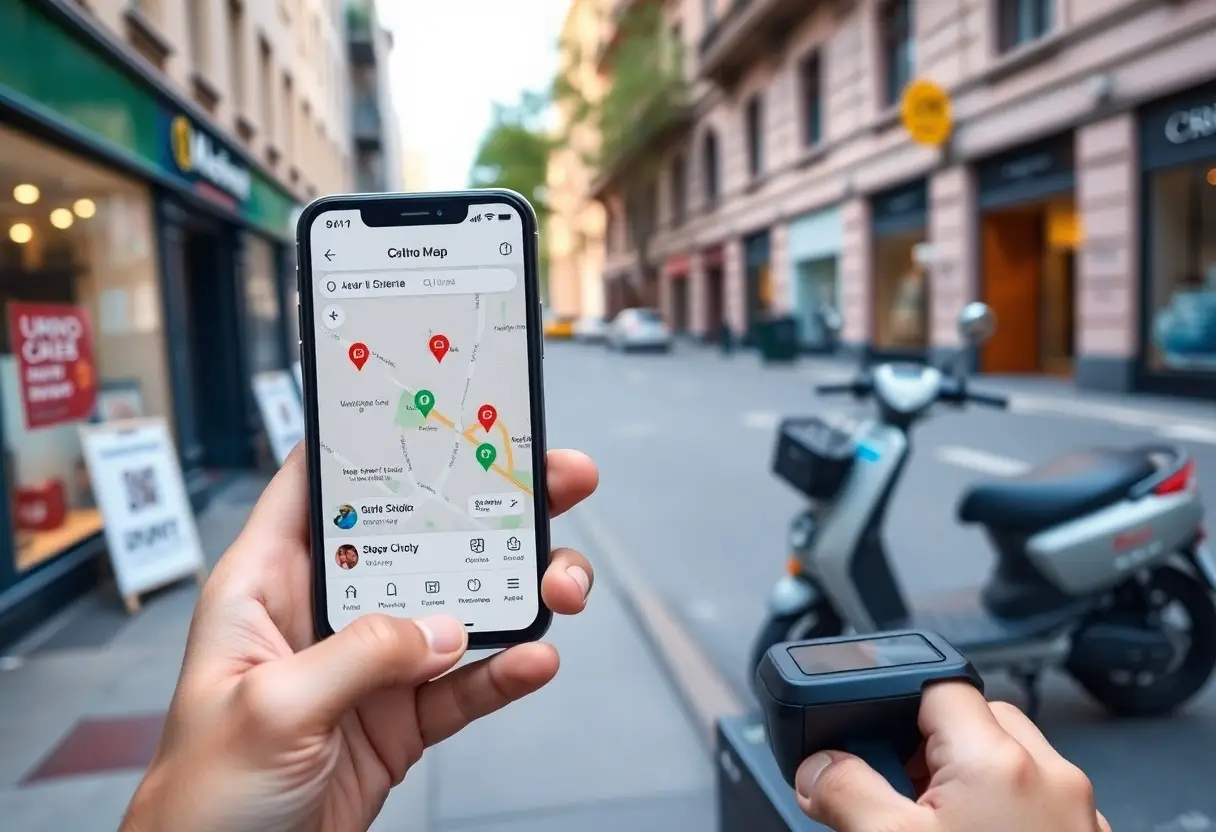
Local search now forces you to adapt to mobile immediacy, voice queries, and evolving privacy risks, changing results by intent and proximity.
Drivers of change
Several interlocking trends reshape local search: mobile ubiquity, voice interfaces, real-time data, and privacy shifts. You must adapt to faster, intent-driven queries and to risks from location tracking while leveraging higher conversion rates for nearby searches.
Mobile adoption and location-awareness
Mobile devices put search in your pocket, making on-the-go intent and hyperlocal results expected; you must optimize for speed, accurate NAP, and contextual signals like time and proximity to convert immediate demand.
Voice assistants and conversational queries
Voice assistants change query structure to natural language and questions, so you should target long-tail phrases and FAQ-style content to capture zero-click, intent-rich queries and local actions like directions or bookings.
Because voice queries favor brevity and conversational phrasing, you need to rethink content structure: use concise answers, structured data, and answer boxes to increase chances of being the assistant’s response. Focusing on featured snippets, schema markup, and local inventory feeds reduces friction for users and mitigates the risk that voice assistants will surface competitors instead of you.
Intent and query evolution
Shifts in intent mean you prioritize context over keywords, as searchers expect immediate, locally relevant answers; optimizing for user intent prevents lost local traffic and boosts visibility in local results.
From keywords to micro-moments
During micro-moments you must deliver instant, mobile-first answers, optimizing snippets, location signals, and CTAs so your business captures nearby conversions when intent is highest.
Rise of long-tail and natural-language queries
Searchers now use conversational queries, so you should craft natural phrasing and FAQ-style content that aligns with voice and assistant results to improve match rates.
Additionally, you should map long-tail questions to local intent, add conversational schema, and optimize reviews and FAQs so search engines surface your content for voice queries and precise local needs.
Results formats and local features
Local packs, knowledge panels, and featured snippets
Search results now prioritize the local pack, knowledge panels, and featured snippets, giving you concise, action-oriented answers that often remove the need to click through.
Maps, reviews, and real-time availability
Maps surface nearby options, live availability, and aggregated reviews so you can compare choices and book or visit faster.
Furthermore, you rely on ratings, timestamps, and inventory signals to judge trustworthiness; prioritize profiles with recent, verified reviews and up-to-date hours to avoid wasted trips.
Consumer behavior and expectations
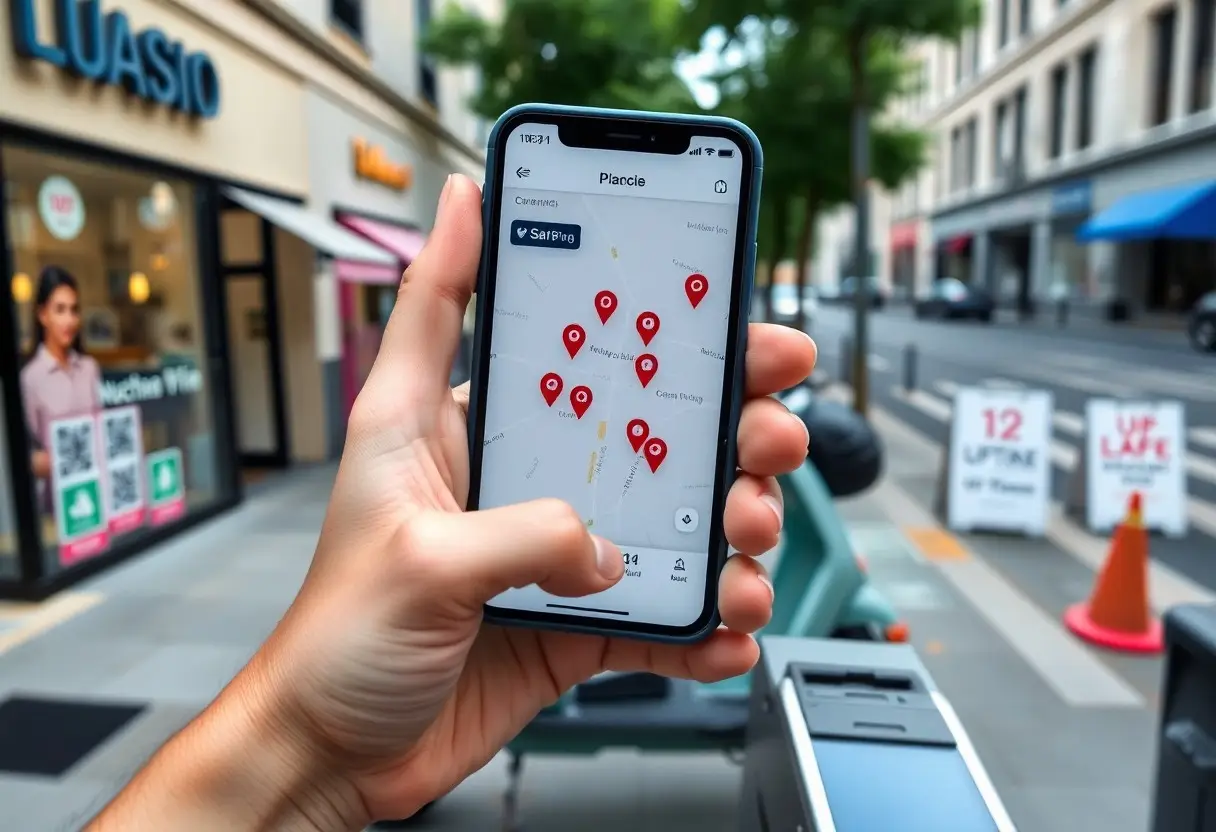
Today you expect local search to deliver fast, relevant results-on maps, voice assistants, or snippets-so businesses must be discoverable and accurate. Your patience for slow pages, generic listings, or outdated hours is low; you favor sources offering immediate, actionable details and clear next steps.
Demand for instant, actionable answers
Immediate expectations mean you want concise steps-directions, availability, booking links-right on the results page. You act on actionable snippets and expect minimal clicks; slow workflows make you abandon a local search and move to competitors.
Personalization and context-aware relevance
Because your context-location, time, past behavior-shapes intent, you expect results tuned to current needs; generic listings frustrate you. Platforms use signals to surface hyper-relevant options, but this raises privacy concerns when data is overused.
Additionally you should understand how personalization uses layered signals-your location, device, search history, time of day, and current behavior-to rank options that feel most useful. While this delivers faster, higher-converting results, it introduces privacy exposure and potential bias. You can demand transparent controls, limited retention, and insist businesses keep structured, verified local data.
Business impact and local SEO responses
Given recent shifts, you must align operations with search signals: prioritize visibility, accurate listings, and review signals to defend traffic and improve conversions while minimizing lost customers from misinformation.
Reviews, citations, and NAP consistency
Managing your reviews and citations builds trust and ranking; you should respond promptly, correct NAP across platforms, and flag fraudulent feedback to avoid ranking drops and customer loss.
Local listings management and multi-channel presence
Expanding listings across search, social, and voice channels ensures you meet customers where they search; keep data synchronized and use structured profiles to boost discoverability.
Additionally you should implement automated sync, regular audits, and centralized dashboards so you can quickly fix duplicates or outdated NAP; use analytics and alerting to measure channel performance and prevent revenue leakage from inconsistent data.
Measurement and strategy adaptations
Shifted measurement means you track micro-conversions like clicks-to-call and store visits alongside revenue; you must combine first-party signals, store analytics, and dashboards to keep pace with privacy-driven data loss and maintain accurate local ROI.
New KPIs and attribution for local conversions
Track new KPIs such as direction requests, calls, and booked appointments, tying them to store-level outcomes; you should shift attribution models toward store visits and assisted conversions to reflect offline impact while minimizing over-reliance on imperfect click data.
Optimization tactics: schema, local content, mobile UX
Focus on schema markup, locally relevant pages, and fast mobile flows to increase visibility and conversion; prioritize structured data, local intent content, and seamless tap-to-call/directions for measurable gains.
Implementing schema means adding LocalBusiness markup (name, address, phone, geo, openingHours) and detailed service attributes so search engines show actionable snippets; you should create neighborhood-targeted pages, service-level content, and FAQs while ensuring fast mobile load, clear tap targets, and one-tap actions. Avoid inconsistent NAP or duplicated content – those can suppress local rankings – and instrument clicks, calls, and bookings with first-party analytics to tie improvements to revenue.
Conclusion
Conclusively, you now rely more on mobile, voice and map-based queries, expect immediate, hyperlocal results and real-time reviews, and prefer conversational search and visual discovery; businesses must optimize for intent, local signals and fast, accurate listings to meet your expectations.