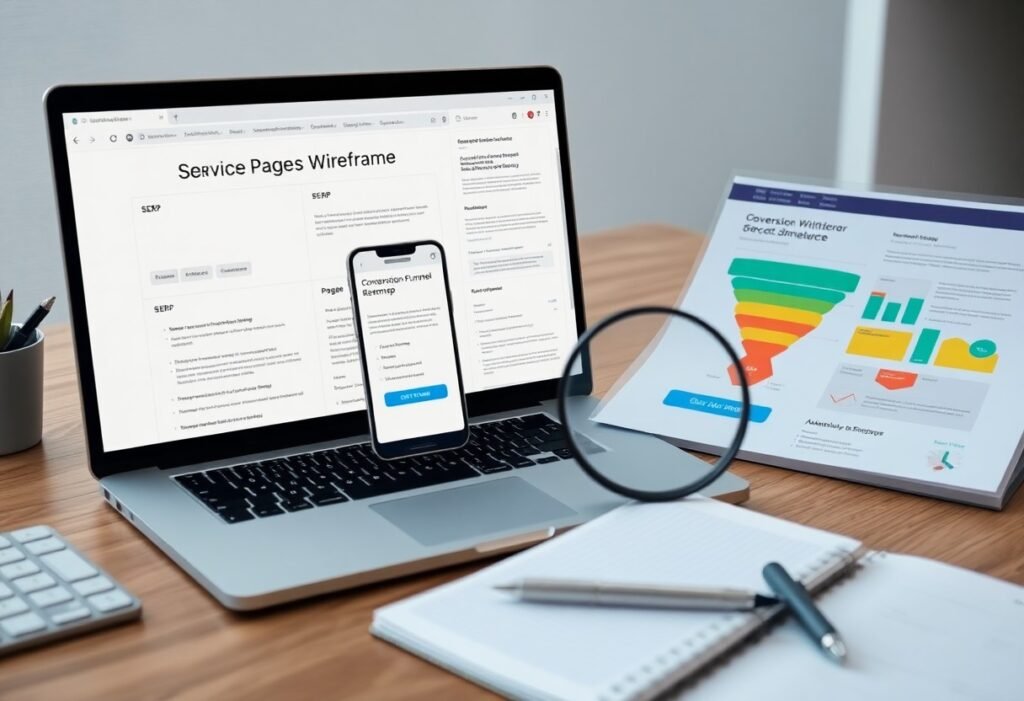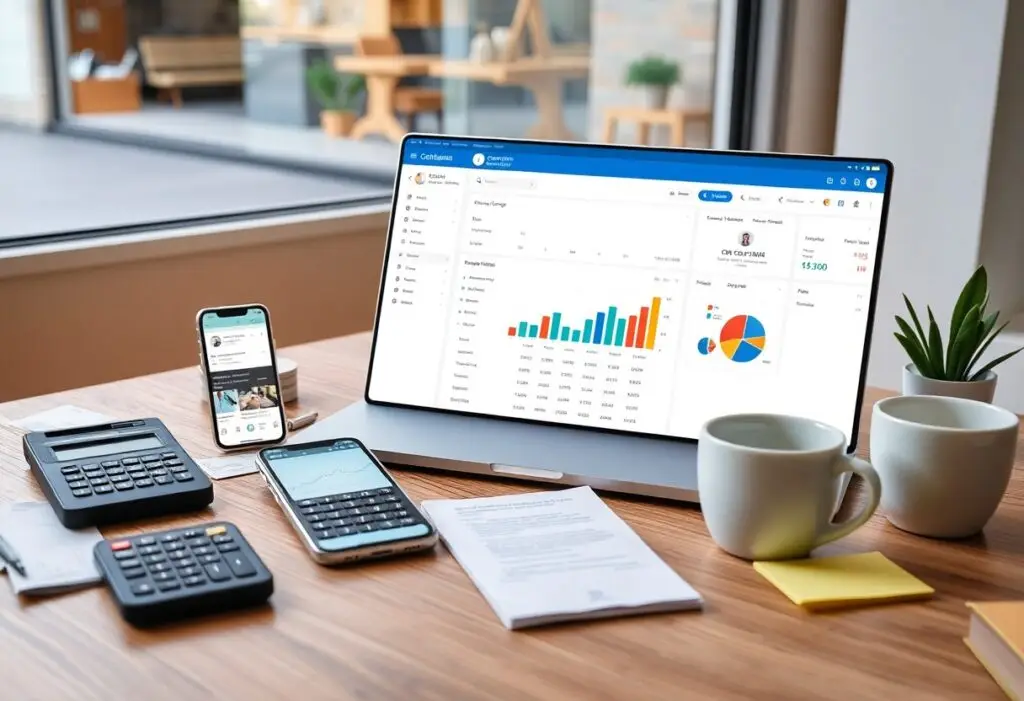

Just apply GEO optimization so you control local visibility, target service-area searches, and limit the risk of competitors overtaking, driving higher lead conversion and more profitable service calls across your territory.
GEO Optimization Fundamentals
GEO optimization locks your service area into search patterns, letting you capture more local intent and drive qualified leads. By aligning content, listings, and geotargeted links you increase visibility in local searches while minimizing wasted spend.
Definition and core concepts
Conceptually, you focus on geotargeting, NAP consistency, localized content, and service-area pages so search engines map offerings to regions. Signals must align across listings, schema, and on-page cues to build reliable location authority.
Key metrics and ranking signals
Metrics you track include proximity, relevance, prominence, citation volume, review sentiment, click-throughs, and localized backlinks – each signals your dominance in a service area.
Additionally, you should weigh positive reviews and recent activity heavily, fix inconsistent citations immediately, and monitor ranking shifts by neighborhood; neglect can allow competitors to seize nearby market share.
Local Search and Ranking Tactics
Optimize local search by aligning proximity, prominence, and relevance; you tune your Google Business Profile, citations, on-page GEO signals, and reviews to dominate Maps and organic results.
Google Business Profile and citations
Polish your Google Business Profile with exact categories, hours, photos, and prompt review responses; maintain consistent citations across directories and remove spammy listings that erode local authority.
On-page GEO signals (schema, NAP, localized content)
Structure pages with schema markup, an accurate NAP, localized headings, and targeted content so search engines connect each service to its specific service area and lift SERP presence.
Additionally, implement JSON-LD LocalBusiness and Service schema with geo coordinates and areaServed, expose the exact address, phone, and hours, and keep your site’s exact NAP identical to citations. Create unique localized pages for each service area with natural city references, use canonical tags to prevent duplication, and avoid keyword stuffing or fake addresses that can trigger penalties.
Service Area Targeting Strategies
Implement layered service-area targeting so you can prioritize high-value zones, reduce wasted ad spend, and boost local conversions. Use data-driven boundaries and ongoing tests to refine coverage and performance.
Geo-fencing, radius targeting, and micro-areas
Combine geo-fencing, radius targeting, and micro-area segments to capture immediate intent and tailor messages by location. You should watch for privacy and compliance risks, set clear consent rules, and measure conversions per micro-area to optimize spend.
Multi-location and franchise optimization
Scale multi-location efforts by standardizing core listings while permitting local nuances so you can maintain brand unity and local relevance. Enforce consistent NAP, local landing pages, and centralized analytics to catch underperforming units quickly.
Additionally you must deploy a centralized dashboard for listings, review monitoring, and analytics while empowering local managers to adapt offers and content. Suppress duplicate listings, automate NAP syncs, and use structured data plus geo-sitemaps to improve indexing and local SERP dominance.
Localized Content and Link Building
Focus on creating localized pages and link strategies that reflect neighborhood language and user intent; you boost maps and organic visibility. Integrate hyperlocal keywords, varied content formats, and internal links to signal strong relevance to search engines.
Creating content for neighborhoods and intent
Tailor content to each neighborhood’s searches and service intent; you should map pages for informational, transactional, and navigational queries. Use local FAQs, short guides, and schema to match intent and win featured snippets.
Local partnerships, citations, and link acquisition
Leverage local partnerships, clean citations, and outreach to acquire authoritative links; you protect rankings by avoiding low-quality directories. Prioritize NAP consistency and trusted local referrals for steady traffic and trust.
Partnering with chambers, schools, vendors, and complementary services lets you co-create events, sponsor content, and earn organic mentions; you should request links on resource pages and event listings. Audit citations regularly, disavow spammy references, enforce consistent NAP, and track referral conversions to measure the true ROI of local link efforts.
Measurement, Tools, and Reporting
Measure localized metrics and set routine reports so you can prioritize high‑impact changes and detect negative trends early, protecting share across each service area.
KPIs, dashboards, and attribution for service areas
Define KPIs tied to visits, calls, and revenue per area so you can build dashboards that expose anomalies and apply attribution to link campaigns to local conversions, focusing on visibility, conversion, and ROI.
Essential tools: maps, rank trackers, analytics
Use maps for boundary precision, rank trackers for localized SERP shifts, and analytics for behavior and conversion funnels so you can allocate resources where they’ll drive growth.
Combine geospatial maps (polygon targeting, service‑area radii) with granular rank tracking by ZIP, device, and keyword, and analytics instrumented with UTMs, goals, events, and call tracking, so you can tie on‑site behavior to local queries; prioritize automated alerts and integrated dashboards to avoid misleading aggregate data and act on true local opportunities.

Compliance and Best Practices
Ensure you follow platform rules and legal standards when optimizing GEO signals to protect listings and local visibility; noncompliance can cause penalties or delisting.
Avoiding spammy or manipulative GEO tactics
Prevent yourself from using fake addresses, keyword stuffing, or automated location spoofing; these manipulative tactics often trigger algorithmic filters and can lead to suspension or severe ranking loss, undermining long-term growth.
Privacy, data handling, and platform guidelines
Protect your customer data by collecting only needed GEO information, storing it securely, and honoring opt-outs; compliance with platform guidelines preserves user trust and avoids legal exposure.
Additionally you must obtain explicit consent for location tracking, limit retention, encrypt data at rest and in transit, and anonymize or purge data when no longer needed; vet third-party vendors, follow API data-use rules, and maintain audit logs to mitigate data breaches and regulatory penalties.
Final Words
Following this, you leverage GEO optimization to prioritize high-value local keywords, align content with service-area intent, and refine targeting to outcompete nearby rivals, increasing visibility, leads, and conversions across mapped territories.