You leverage GEO optimization to amplify local visibility and trust; better local search rankings increase conversions, while misaligned targeting risks brand confusion; implement location-specific content, citations, and reviews to secure consistent, measurable growth.

Understanding GEO Optimization
Within GEO optimization, you align content, listings, and signals to specific locations so your brand gains local relevance and increased footfall. You should prioritize location targeting, citation consistency, and user intent to boost measurable visibility in regional markets.
Definition, scope and strategic value
Defining GEO optimization, you tailor signals-content, NAP, reviews-to geographic segments so your brand captures local demand and minimizes wasted ad spend. You extend scope from neighborhoods to regions while aligning KPIs to audience movement and purchase patterns.
How GEO differs from and complements traditional SEO
While traditional SEO optimizes for broad queries and authority, GEO focuses on proximity, intent, and local citations; you use both by syncing content, technical SEO, and local listings to dominate regional SERPs and channel high-converting traffic.
Additionally, you should treat GEO as layered signals: structured data, accurate NAP, geo-targeted content, local backlinks, and Business Profile optimization interact differently than national link equity. When you align technical SEO with localized UX and reviews, you capture the Local Pack and maps traffic; conversely, inconsistent citations or wrong addresses can damage visibility rapidly.
Local search & listings
Local search and listings connect you directly to nearby customers; keeping listings updated drives visibility and foot traffic while reducing confusion across channels.
Google Business Profile, directories and review management
Optimize your Google Business Profile, directory entries and reviews to boost rankings; respond to feedback promptly to reinforce trust and attract local searches.
NAP consistency, local citations and reputation signals
Ensure your NAP (name, address, phone) is identical across citations so you avoid ranking penalties and strengthen reputation signals for local algorithms.
Consistent NAP across platforms prevents duplicate listings that dilute rankings and misdirect customers. You should audit citations regularly, correct formatting (abbreviations, suite numbers), claim aggregator entries, implement local schema markup, and monitor third-party directories; fixing discrepancies yields better local rankings, more clicks, and protects your brand integrity.

GEO-focused content & user experience
Tailor GEO-focused content and UX to local intent, aligning language, offers and navigation so you increase relevance and conversions. You map regional keywords, use structured data to signal presence, and prevent duplicate content pitfalls that can harm rankings.
Local landing pages, localized copy and content strategies
Deploy local landing pages that reflect community needs, with localized copy, testimonials and offers tailored to each market. You should adapt CTAs and imagery so searchers feel immediately understood and more likely to convert.
Site structure, mobile UX and geo-targeted navigation
Streamline site structure and mobile UX to prioritize regional paths, using clear geo-targeted navigation and mobile-first design so users reach local pages in fewer taps and stay engaged.
Ensure your architecture uses regional sitemaps, hreflang tags, and local schema; avoid misdirected redirects or duplicate pages that can damage rankings. You must optimize load times, touch targets and testing on actual devices so local visitors experience fast, intuitive journeys.
Technical GEO signals
Technical GEO signals connect your markup, hosting, and protocols to location; you must align structured data, geo-meta tags, and server setup to strengthen local visibility.
Structured data, geo-meta tags and hreflang considerations
Implement schema markup, clear address and openingHours fields, and correct hreflang so search engines map your pages to the right locale and reduce indexing errors.
Server location, site speed and crawlability for local indexing
Optimize hosting region, deliver fast assets, and keep XML sitemaps tidy so you ensure server proximity and page speed improve crawl frequency and local indexing; avoid slow pages that hurt rankings.
Additionally, choose hosting with an IP or edge presence near your target market and deploy a CDN with geo-routing so you deliver low-latency responses to local users. You should tune server headers, compress resources, and prioritize mobile-first rendering to protect crawl budget; excessive redirects or blocked resources can prevent local indexing. Monitor server logs and keep sitemaps updated so search engines reliably discover your local pages.
Measurement, attribution & KPIs
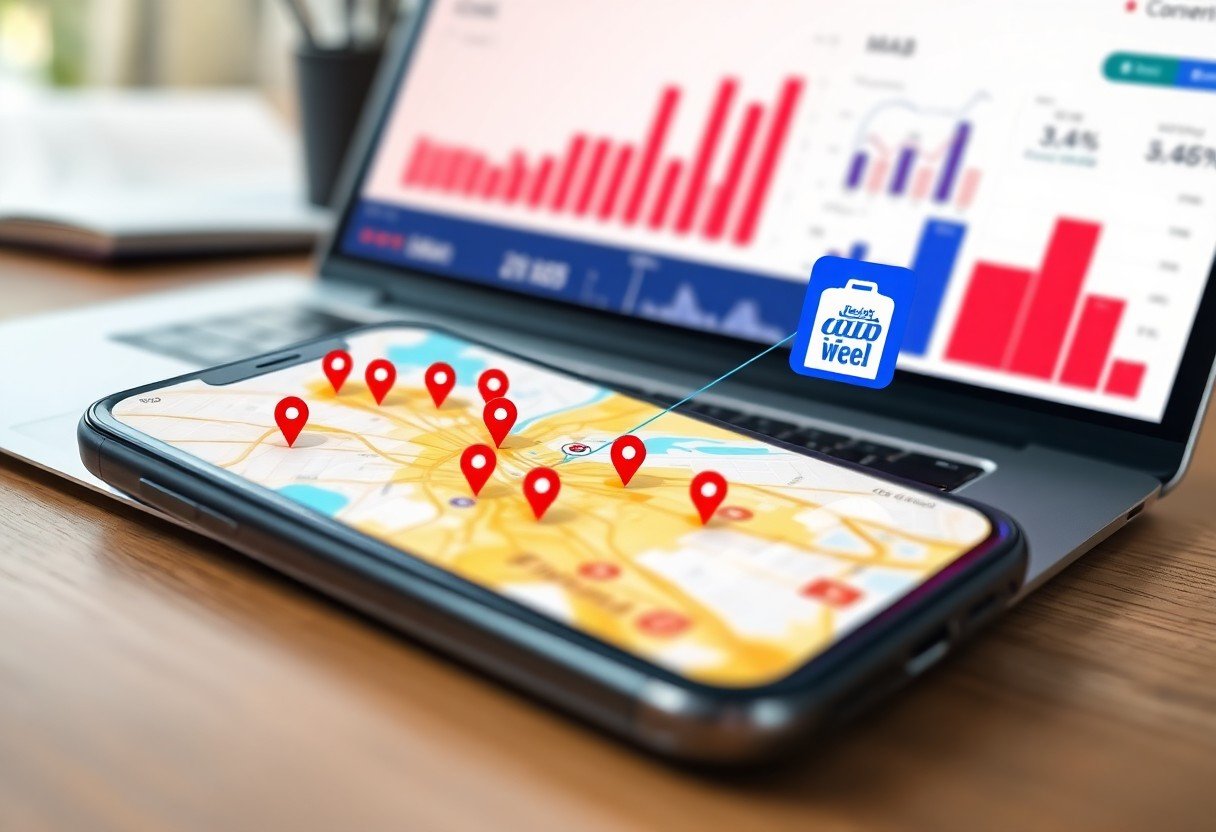
Align GEO measurement to KPIs like local visibility, organic ranking, visit lift and store revenue; this helps you focus on impact. Implement granular attribution and avoid vanity metrics that mask real gains.
Local ranking, traffic and conversion metrics
Monitor local ranking shifts, traffic sources and conversion rates to see how GEO changes perform. You should weigh search visibility, map placements and click-to-call conversions to prioritize fixes and opportunities.
Footfall attribution, UTM strategies and dashboards
Combine mobile footfall data with UTM-tagged campaigns so you can link online touches to in-store visits; build dashboards that surface anomalies and trends. Protect UTM integrity to prevent misattribution.
Ensure you standardize UTM naming, set explicit matching windows and use control-store baselines so accurate footfall mapping validates campaign lift. Treat misconfigured UTMs as a high-risk source of false positives, and deploy privacy-safe modeling plus server-side tagging to fill gaps and confidently reallocate budget to high-return GEO segments.
To wrap up
Hence you amplify local visibility, target relevant audiences, and align content with regional intent, which increases engagement, trust, and consistent brand signals across channels, yielding measurable growth and higher conversions.