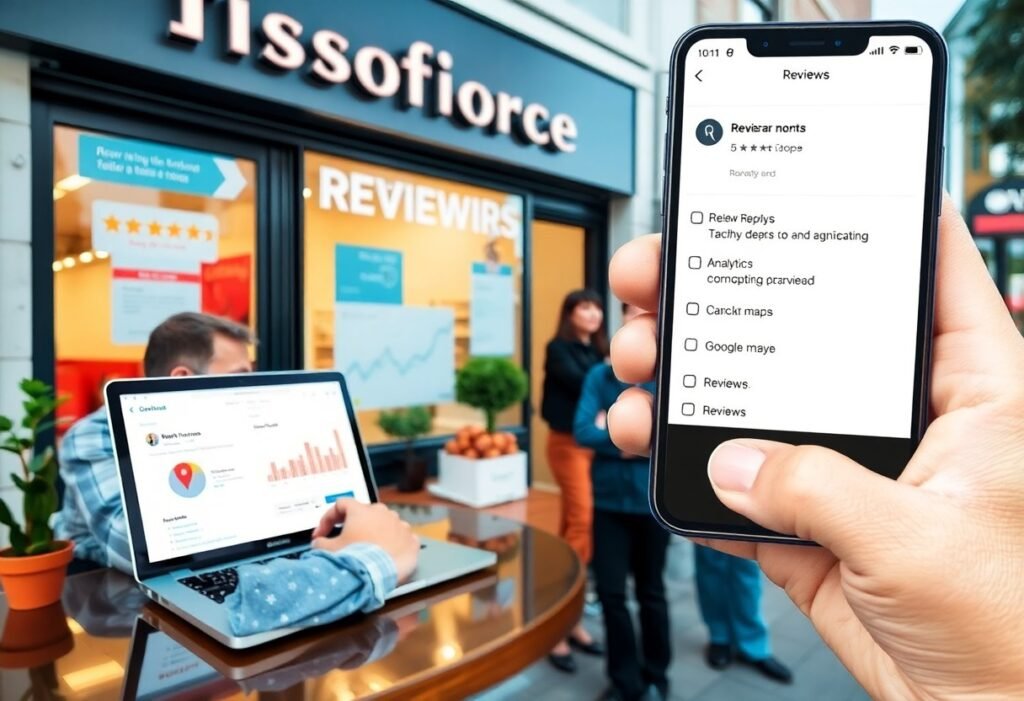
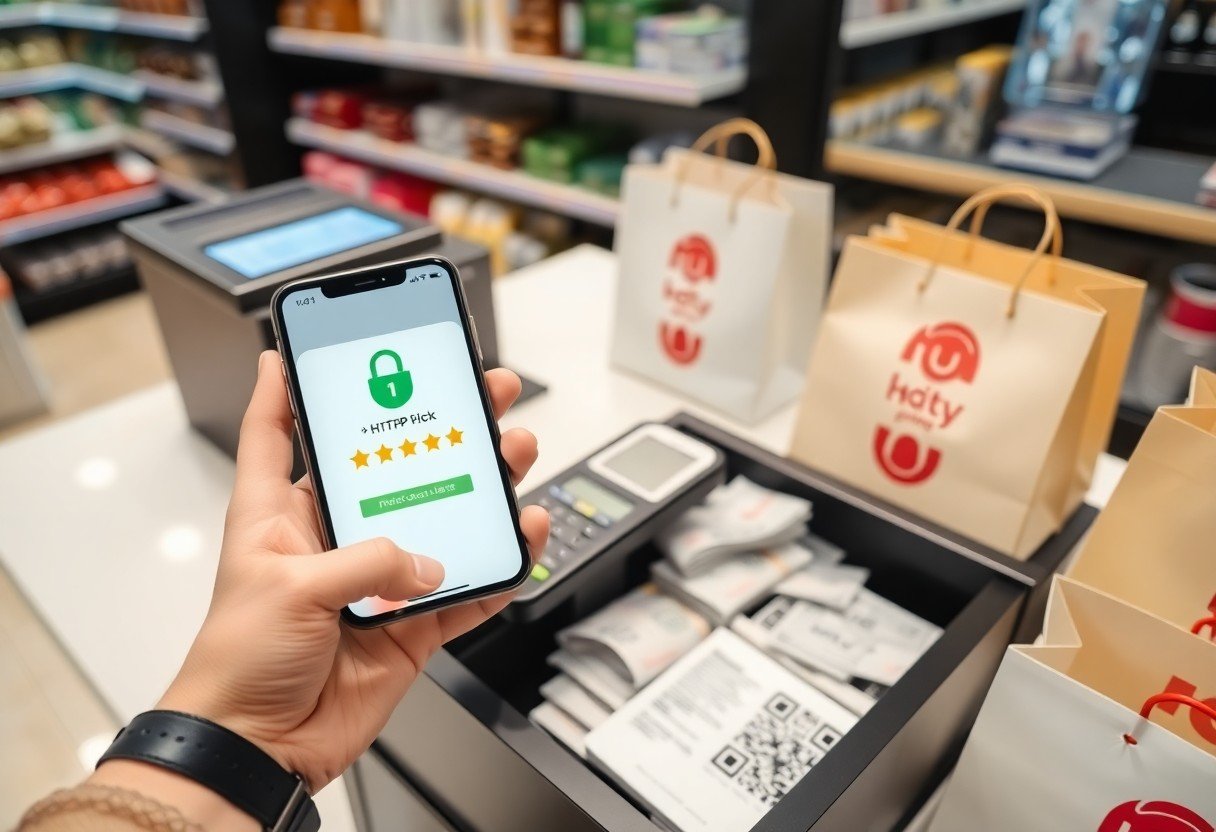
Online trust determines whether you convert clicks into sales; you must protect against data breaches and foster loyal customers to increase offline revenue.
Why Trust Translates to Revenue
When you establish trust online, visitors convert faster as perceived risk falls and value signals outweigh doubts, lifting average order value and directly boosting revenue across channels.
How trust reduces purchase friction
Because you signal security, clear policies, and social proof, shoppers move through checkout quicker, reducing cart abandonment and shortening sales cycles.
Trust, repeat business and customer lifetime value
Since trust makes interactions predictable and satisfying, you encourage returns, referrals, and higher spend per customer, increasing customer lifetime value.
Moreover, you can quantify trust investments by tracking retention, referral rates, and repeat purchase frequency; small trust gains often compound into major revenue uplift over time, making trust-building a strategic revenue lever.
Digital Trust Signals That Influence Buyers
Digital trust signals – badges, reviews, and secure indicators – nudge you toward conversions by reducing perceived risk, clarifying credibility, and accelerating purchase decisions.
Reviews, ratings and social proof
Social proof shows you others’ experiences; featuring verified reviews and high ratings increases confidence, shortens research time, and boosts conversion rates.
Security, privacy and transparent policies
Secure icons and clear privacy statements tell you that your data is protected; displaying SSL seals, GDPR compliance, and simple refund terms reduces abandonment.
Transparent explanations let you scan safety at a glance: visible HTTPS and SSL/TLS seals, explicit consent controls, concise privacy summaries with linked full policies, clear data-retention limits and deletion requests, and prominently displayed contact channels. You should see compliance evidence (SOC 2, PCI DSS), regular penetration tests or audits, and a public incident-response process to reduce fear of data breaches.
Converting Online Confidence into Offline Sales
When you translate online trust into store visits, consistent messaging and verified reviews drive purchases; clear pickup options and trained staff reduce friction, turning digital confidence into tangible revenue.
Omnichannel consistency and in-store conversion
Consistency in your branding, pricing and inventory across channels makes customers trust that in-store experience will match online promises; you boost conversions by aligning promos, staff knowledge, and verified availability.
Local search, click‑to‑collect and appointment flows
Optimize your local search listings and click-to-collect flows so customers find accurate hours, see real-time stock, and book appointments quickly, reducing no-shows and boosting in-store sales.
Additionally, you should implement real-time inventory sync, SMS confirmations, clear pickup windows and staff notifications so pickups are seamless; prioritize fraud checks on high-value reservations to protect margins and preserve customer trust.
Measuring the Revenue Impact of Trust
Key metrics and attribution approaches
Measure trust’s revenue effects by tracking conversion rate, average order value, retention, and customer lifetime value, and use attribution windows plus cohort analysis so you can directly link trust signals to sales lifts.
Experiments, A/B testing and ROI calculation
Design A/B tests that isolate trust elements-badges, reviews, return policies-so you can measure incremental lift; guard against bias with randomization and adequate sample sizes to estimate ROI reliably.
Ensure you predefine primary metrics (conversion, revenue per visitor) and power calculations before launching, set guardrails for sample size and duration, and segment results by device and cohort to detect variance. Calculate incremental revenue as the difference in per-user revenue times exposed users, subtract implementation and media costs to get net gain, then divide by spend for ROI. Watch for false positives, novelty effects, and cross-exposure that can inflate results; replicate high-impact tests before widescale rollout.
Building a Trust-First Customer Experience
Start by designing touchpoints that signal reliability: clear pricing, visible security badges, consistent voice, and fast responses so you convert customer trust into measurable sales.
Trust-focused UX, messaging and onboarding
Craft onboarding that reduces friction, shows social proof, and uses plain-language messaging so you set expectations and lower churn.
Policies, service and post-purchase support
Ensure your policies are visible and fair, with transparent returns, fast responses, and straightforward refunds so you protect revenue and loyalty.
Provide detailed, easy-to-find policies – clear refund windows, explicit shipping timelines, and published SLA response times – so you reduce disputes. You should train teams on empathetic remedies, offer automated tracking and simple cancellations, escalate fraud quickly, and log outcomes; these practices turn support into a reliable driver of repeat purchases and referrals.
Case Studies and Practical Playbook
Testing real-world tactics shows how online trust lifts in-store sales: you can track uplift with surveys and POS changes, then scale tactics that boost conversion and foot traffic.
- 1) You can mirror a national retail chain that recorded +12% offline revenue in 12 weeks across 200 stores by syndicating product reviews and adding verified trust badges.
- 2) A regional café group saw +22% foot traffic and +18% check average after optimizing Google Business Profile pages and running geotargeted promotions for 8 weeks.
- 3) An auto dealer pilot produced +18% test-drive bookings and a 9% sales lift using QR-linked video testimonials and follow-up SMS within a 6-week test.
- 4) A medical clinic increased appointments +30% over nine months by adding verified patient reviews, clear pricing, and an easy online booking flow tied to promo codes for first visits.
Examples of brands that increased offline revenue
Examples include a retailer, a café chain, and a clinic that each achieved double-digit offline lifts by improving online reputation, optimizing local listings, and using simple attribution like promo codes you can copy.
Quick wins for small and medium businesses
Simple changes like adding verified reviews, optimizing Google Business Profile, and adding click-to-call raise in-store visits; you can implement these in days to see measurable lifts.
Next, prioritize low-effort, high-impact steps: claim and fully optimize your Google Business Profile (hours, photos, categories), systematically request verified reviews after purchases, add QR codes and trackable coupon codes to link in-store actions to online touchpoints, and run tiny hyperlocal ads. Avoid buying fake reviews-they damage trust and can harm rankings-so you should track results via POS tags and short promo codes to scale what increases revenue per visit.
To wrap up
Drawing together the evidence shows that when you build reliable online trust-through clear policies, secure payments, and consistent customer experience-you convert more visitors into loyal customers, increasing referrals and offline revenue by reinforcing your brand’s credibility across channels.