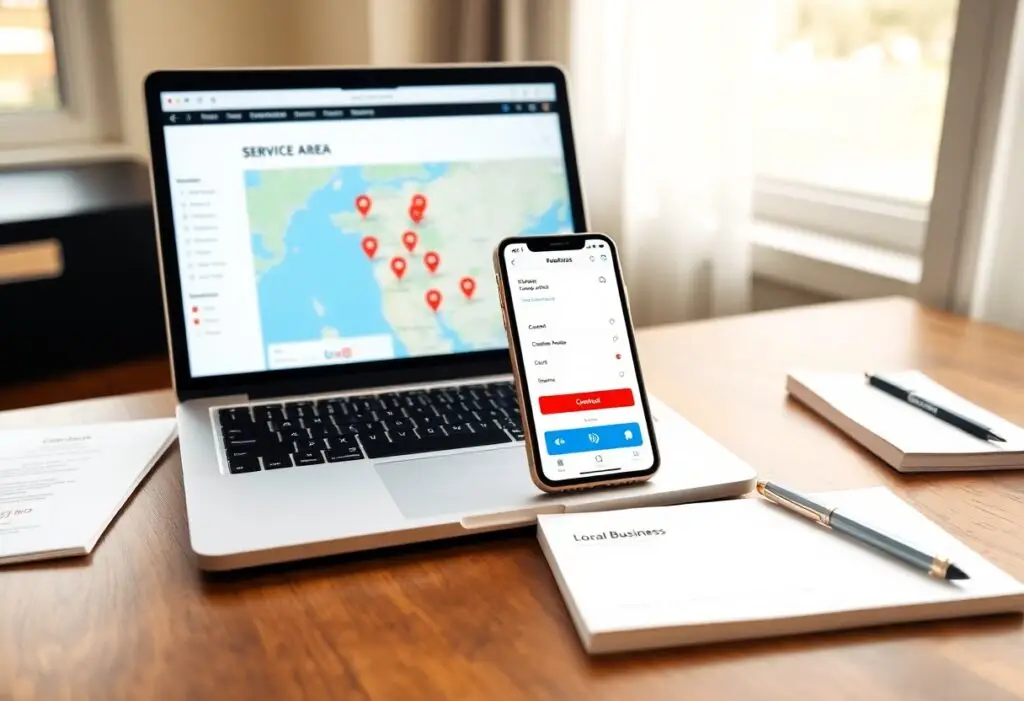
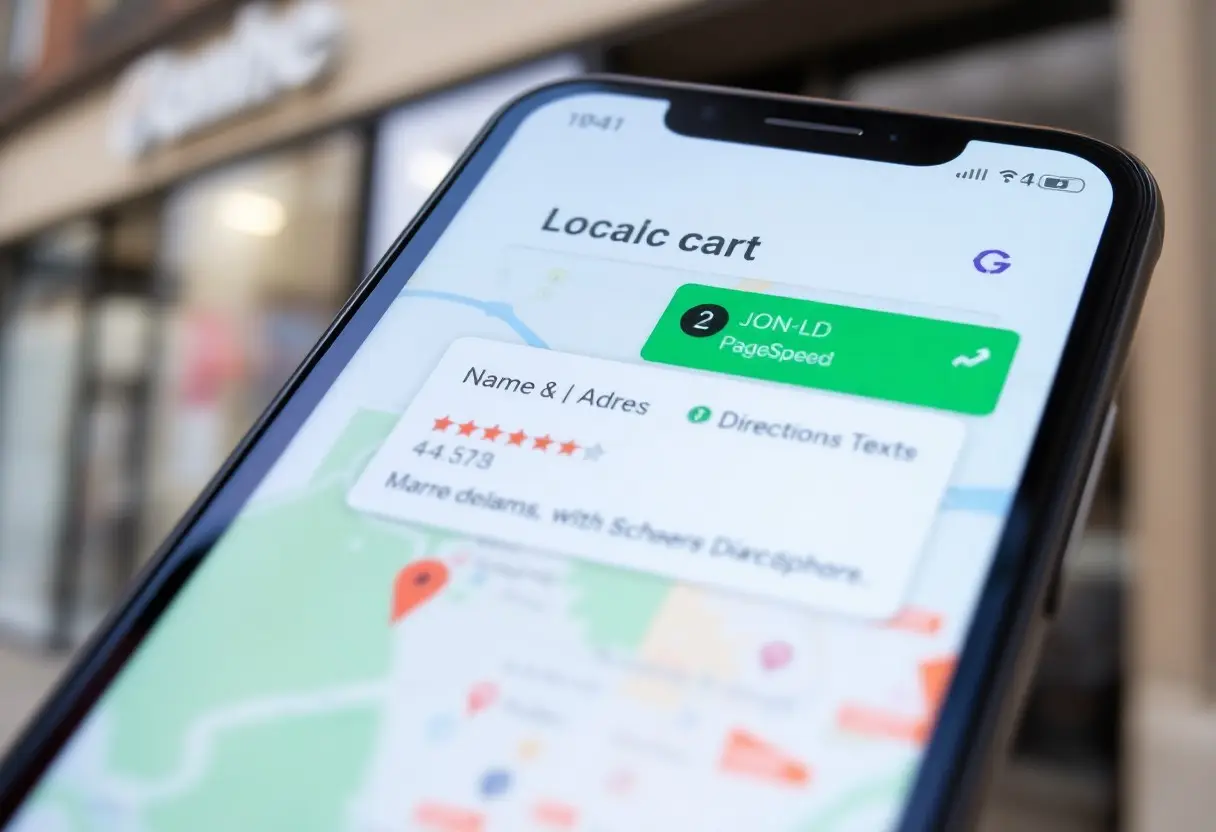
Overall, you should target local intent with location-based SEO because it delivers higher visibility to nearby customers, reduces wasted clicks, and yields better conversion rates than generic pages.
Why location-based SEO outperforms generic pages
Because you target local queries, your pages match intent and deliver higher relevance, more engagement, and better ranking signals than generic pages, so you capture customers ready to act in your area.
Local search intent and conversion lift
When you optimize for local queries, users see precise hours, directions, and reviews-so conversion rates rise as visitors move from search to purchase or visit faster than with generic pages.
SERP features and visibility advantages
You gain more real estate in SERPs-maps, local packs, featured snippets and review stars-making your listing more visible and clickable than generic results.
Additionally, focus on schema markup, an optimized Google Business Profile, and local backlinks so you trigger rich snippets and the map pack, letting you capture more high‑intent clicks.
Building effective location pages
Focus your location pages on local intent, fast loading, and clear CTAs to help users convert; include unique, address-specific content and accurate service details to outperform generic pages.
Geo-targeted content and page structure
Structure each page so you target one location and one intent, using headers, local keywords, and embedded maps; this helps search engines and users find hyper-relevant information quickly.
Local schema, meta tags, and NAP signals
Implement structured data, consistent NAP, and precise meta tags so you signal exact location and services; inconsistent NAP can severely harm rankings while correct schema boosts local visibility.
Ensure you implement LocalBusiness and PostalAddress schema, include geo-coordinates, opening hours, and service-area markup; keep your citations, Google Business Profile, and site NAP identical. Craft meta titles and descriptions with city and service to boost CTR, and validate with structured data tools to catch errors before they hurt rankings.
Google Business Profile and directory presence
GBP optimization and local pack placement
Optimize your Google Business Profile with accurate categories, hours, and photos to improve local pack visibility; active responses and regular posts help drive clicks into the map results and secure the top local placement.
Citations, directories, and data consistency
Maintain consistent NAP across directories and industry sites so search engines and users don’t get conflicting signals; inconsistent listings can erode trust, while a unified profile keeps your listings trusted and crawlable.
Regularly audit major aggregators, correct duplicates, and sync your central data source; inconsistent or duplicated citations will fragment authority, whereas fast corrections and proper schema help search engines treat you as a single, authoritative listing.
Reviews, reputation, and local links
Reviews drive your local visibility: you should encourage positive feedback, respond promptly to negative posts, and leverage stars and testimonials to boost clicks and trust.
Managing reviews and social proof
When you monitor reviews, prioritize replying within 24 hours, highlight positive quotes on pages, and resolve issues offline to prevent public escalation.
Local backlinks and community partnerships
Local backlinks from community sites and sponsorships signal relevance; you should pursue partnerships with schools, clubs, and chambers to earn authority links.
Engage in targeted outreach: you should identify trusted local blogs, nonprofits, and news outlets, offer expert content or sponsorships, create useful resource pages they’ll link to, and prefer geographically relevant, high-quality partners over low-value directories to boost referral traffic and rankings.
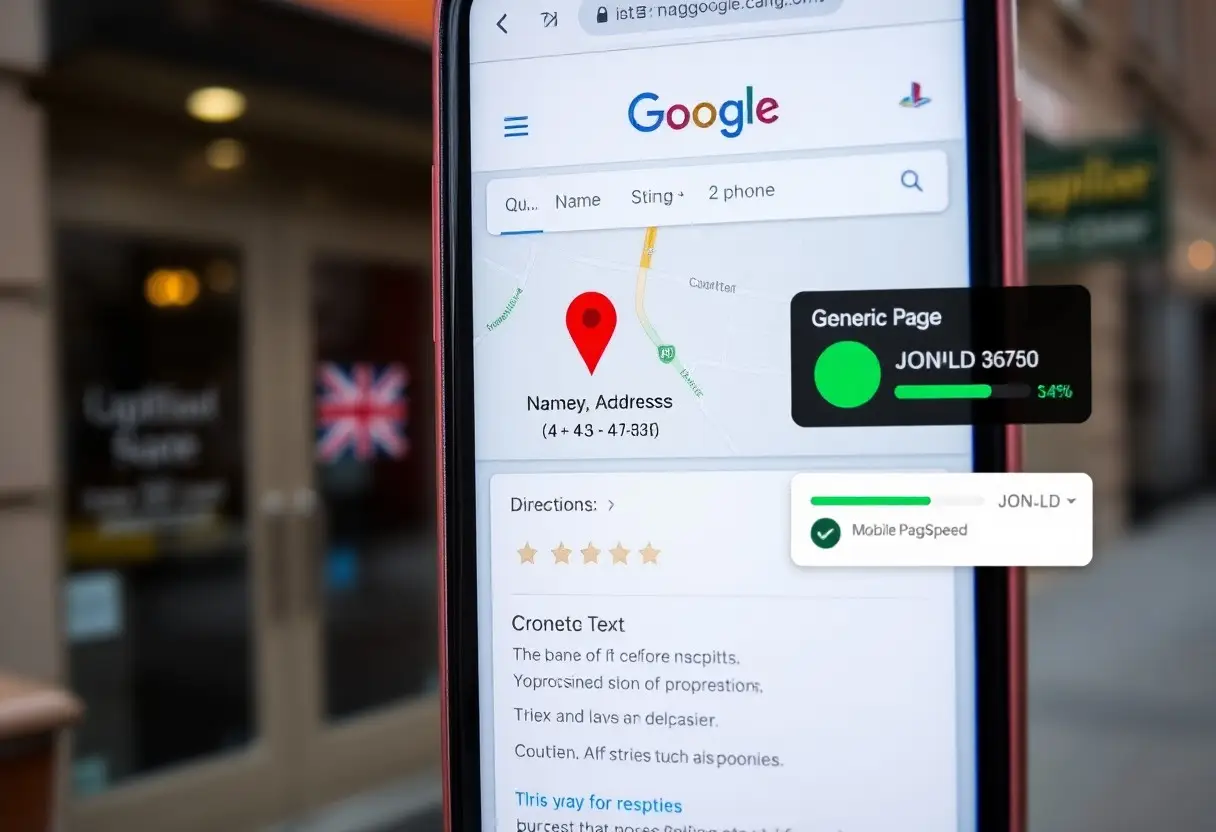
Technical and mobile considerations for local SEO
Address server configuration, mobile rendering, and crawl priorities to ensure your location pages perform for both users and bots. Implement HTTPS, schema, and geotagging; monitor mobile indexing and fix rendering issues. Focus on fast, indexable pages to maximize your local rankings.
Mobile experience, speed, and UX for local users
Optimize your mobile pages for fast load, clear CTAs, and local intent-use responsive design, compressed images, and lazy loading. Ensure sub-two-second load, visible contact buttons, and geolocation-friendly UX so local users convert quickly.
Indexing, sitemaps, and crawl priorities for location pages
Structure your location pages with unique titles, meta descriptions, and schema so search engines index them properly. Keep your URLs logical, avoid thin duplicates, and include each page in your XML sitemap with proper priority. That helps local visibility and prevents index bloat.
Prioritize clean canonicalization and parameter handling so you prevent search engines from wasting crawl budget on near-duplicate location variants. Use segmented XML sitemaps (by city/region), set sensible priority and lastmod values, and mark low-value or seasonal pages with noindex to protect your index health. Monitor your server logs and Search Console for crawl patterns, then boost internal links and sitemap entries for high-converting locations to steer bots where you want them.
Measuring impact and scaling local efforts
Measure your local SEO impact with traffic, calls, and conversion metrics; focus on what moves revenue and where you see the biggest gains. Use location-level conversion rate and visibility shifts to prove ROI and prioritize scale.
Local KPIs, tracking, and analytics tools
Track granular KPIs – impressions, clicks, calls, foot traffic, and location-level conversions – using Google Analytics, Search Console, GMB Insights, and call-tracking so you can spot issues. Watch for inaccurate citations that harm rankings and address them fast.
Testing, iteration, and multilocation rollouts
Test local page templates, offers, and schema on a few markets; measure the lift before you do a wider rollout. Prioritize experiments that show meaningful conversion uplifts and avoid changes that risk local relevance.
Iterate by treating each market as a testing lab: form clear hypotheses, run A/B or geo-split tests until you reach statistical significance, and compare against a control group before scaling. Instrument every change with UTMs, call-tracking, and tag-manager events so you can see true conversion lift by location. Avoid one-size-fits-all templates that erode local relevance; if a test drops performance, roll back fast, document the cause, and refine your template or offer. Automate reporting and use a phased rollout – pilot, regional, full – to limit risk while maximizing learnings.
Conclusion
With these considerations you can prioritize location-based SEO to attract nearby customers, improve relevance in local searches, and increase conversions through tailored content, citations, and on-page signals.