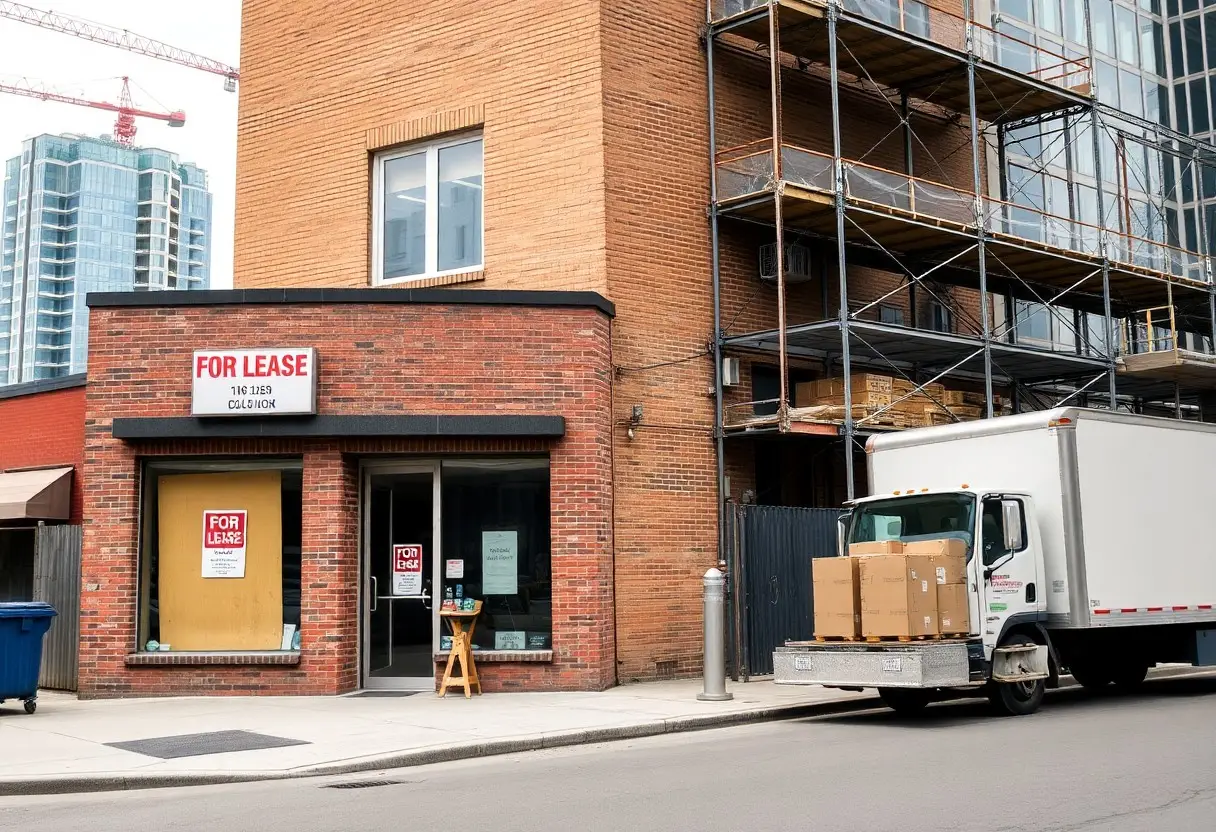
You confront rising rents, shifting demographics, and complex regulations that threaten profitability, while expansion brings new customers and operational risks you must manage to survive.

Economic pressures on local businesses
Increasingly you face mounting financial strain as expanding cities shift costs and competition; this amplifies rising expenses and changing demand that erode margins and force difficult choices.
Rising rents, taxes and operating costs
Higher rents, increased taxes and escalating operating costs squeeze your cash flow, often turning profitable locations into losses; rent hikes and tax shifts can prompt immediate cutbacks or closures.
Shifts in consumer spending and local demand
Meanwhile you must adapt as spending patterns change: commuters, new residents and chains alter foot traffic and preferences, making traditional customer bases unreliable and revenues volatile.
Consequently you should monitor local demographic and spending data, pivot offerings, expand delivery or loyalty options, and protect margins; quick adaptation preserves customers while slow response risks long-term decline.
Operational and workforce challenges
Beyond local routines, expanding cities strain your workforce and operations, forcing you to retrain staff, redesign workflows and absorb higher overhead; without timely changes you risk service breakdowns and lost customers.
Supply chains, staffing and rising wages
When supply routes shift, you face stockouts, longer lead times and pressure to pay higher wages; recruiting qualified staff becomes competitive, so you must optimize inventory and offer better retention incentives to keep operations steady.
Service capacity and scalability limits
As demand rises, you hit physical and staffing limits that make scaling costly; without flexible systems your response times worsen and margins shrink, so invest in modular processes and cross-training to sustain growth.
Scaling requires mapping every bottleneck so you can prioritize investments: analyze peak-hour capacity, supplier lead times and staff utilization; adopt automation where it reduces variable costs, use temporary labor or nearshoring to manage spikes, and create clear SOPs for fast onboarding. By running scenario-based capacity planning and measuring throughput, you reduce the chance of costly overloads and preserve service quality as the city grows.
Competitive and market dynamics
Competitive shifts mean you face newcomers, changing demand, and rising rents as cities expand; your loyal base is threatened by price pressure and broader choice, shrinking margins unless you adapt.
National chains, platforms and economies of scale
Dominant national chains and platforms exploit scale to offer lower prices, faster delivery, and heavy promotions, forcing you to differentiate through local relationships and tailored service.
Marketing, digital presence and customer acquisition gaps
Digital shortcomings-weak SEO, sparse reviews, or absent online ordering-leave you invisible to new residents and tourists; closing those gaps boosts reach and steady customer flow.
Strategically, you should audit channels, claim listings, solicit reviews, and run targeted, affordable ads; prioritize mobile ordering, local keywords, and clear contact info so you can convert search traffic into repeat patrons and protect margins with measurable ROI tracking.
Regulatory, zoning and infrastructure impacts
Permits, zoning changes and compliance burdens
Changes to permits and zoning force you to adapt business footprints, triggering long delays, costly compliance and occasional shutdowns. You often face mandatory upgrades, new licensing and bureaucratic reviews that erode margins and slow expansion.
Transit, parking and accessibility constraints
Limited parking and congested streets make it harder for you to attract customers, causing reduced foot traffic and higher operational costs. You may face increased delivery fees and fines for curb infringements while transit changes shift where customers travel.
Additionally, you should map customer travel patterns and prioritize solutions like dedicated loading zones, timed parking, or partnerships with ride-hailing services to offset lost sales. Neglecting accessibility risks alienating disabled patrons and invites legal penalties, while coordinated transit improvements can deliver new customer inflows. Lobbying with neighboring owners, offering delivery windows, and investing in clear signage let you convert mobility constraints into operational advantages.
Social and cultural shifts in expanding neighborhoods
As you navigate expanding neighborhoods, shifting social norms and new cultural tastes can make previously reliable offerings feel outdated, forcing you to adapt product lines, hours, and marketing to stay relevant.
Demographic turnover and changing preferences
When residents shift, you face different income, age, and cultural preferences that erode repeat business and require new pricing, inventory, and outreach strategies.
Erosion of community networks and loyalty
Because long-standing neighborhood ties weaken, you lose word-of-mouth referrals and local advocates, increasing your dependence on paid acquisition and fragile new customers.
Consequently, you must invest in community engagement, loyalty programs, and personalized service to rebuild trust; otherwise turnover will raise customer acquisition costs and reduce lifetime value.
Strategies for resilience and growth
Adaptation demands that you diversify revenue streams, embrace flexible pricing, and scale offerings to neighborhood needs; combining digital reach with in-person service strengthens survival. Focus on local relevance and steady cash flow to resist displacement pressures.
Business model adaptation, partnerships and localization
Through partnerships with local suppliers and community groups you lower costs, build trust, and tailor offerings; co-marketing and shared spaces expand reach. Prioritize local sourcing and flexible services to protect margins and cultural fit.
Policy solutions, community support and planning interventions
Policy reforms can create rent stabilization, business legacy programs, and targeted grants so you avoid sudden displacement; join coalitions to push for tenant protections and community benefit agreements that lock in local presence.
Moreover, you should press for concrete planning interventions-commercial rent stabilization, legacy-business zoning, expedited permitting, and dedicated small-business grants-while supporting community land trusts and public acquisition of key corridors. Track proposed developments, attend zoning hearings, and organize other owners to demand eviction protections, financial relief, and binding community benefits that reduce displacement risk and preserve neighborhood character.
Summing up
As a reminder, you face rising rents, shifting customer bases, supply-chain strain and competition from chains as cities expand; adapt by refining niche services, strengthening community ties, optimizing operations and advocating for equitable policies to survive and thrive.