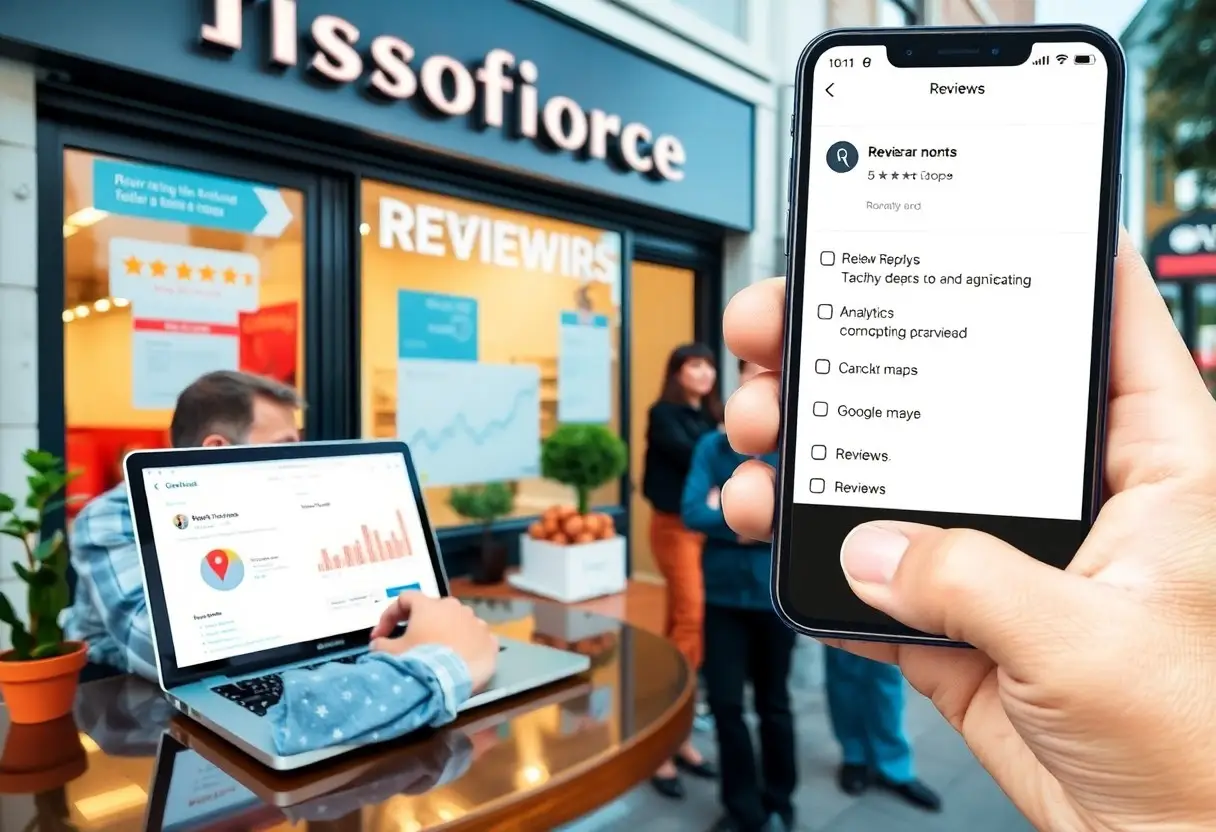
It’s vital you monitor online feedback: damaging reviews can erode trust and cause lost customers; actively responding protects trust and revenue, improves visibility, and preserves local market standing.
Why Reputation Matters for Local Businesses
Positive reputation amplifies customer confidence and directly affects your revenue, pricing power, and crisis resilience; maintain consistent reviews and responses to preserve influence.
Building customer trust and repeat business
Consistent positive interactions help you earn repeat customers, since trust drives buying decisions and loyalty; timely responses and visible care convert one-time visitors into advocates you rely on.
Influence on foot traffic and referrals
Strong local reputation makes you the obvious choice, increasing walk-ins and referrals; reviews and ratings guide nearby customers and shape whether they bring friends or recommend you online.
Moreover, when you ignore feedback, negative reviews can cut visits and derail referral chains; actively addressing complaints restores trust and nudges browsers into buyers, preserving steady foot traffic.

Primary Reputation Drivers
Several factors shape your local standing: online reviews, accurate listings, word-of-mouth, and service quality. You must monitor each channel and respond strategically to protect trust and amplify positive signals.
Online reviews, ratings, and listings
Consistently manage listings, solicit honest reviews, and reply to feedback; negative reviews spread fast while high ratings improve visibility. You control perception by engaging promptly and maintaining accuracy across platforms.
In-store experience and customer service
Excellent in-store interactions, clear signage, and trained staff generate positive word-of-mouth, whereas unresolved complaints become the most damaging signals. You should standardize service to ensure dependable experiences.
Operationally, train and empower your staff to resolve issues immediately, use checklists for cleanliness and speed, and track metrics like first-contact resolution and NPS. You should run mystery shops, escalate patterns of negative interactions, and coach teams so routine visits convert into reputation gains.
Monitoring and Measurement
Monitor your reputation continuously with automated alerts and periodic manual checks so you catch issues early. You should prioritize real-time alerts and flag negative trends to respond before problems escalate.
Tools and platforms for reputation tracking
Use platforms like Google Alerts, ReviewTrackers, and social listening suites to consolidate mentions across channels. Focus on tools that offer sentiment analysis, review aggregation, and actionable alerts to reduce blind spots and save time.
Key metrics: sentiment, review velocity, NPS
Track sentiment, review velocity, and NPS regularly to understand perception, exposure speed, and loyalty; set benchmarks and alerts for sudden drops that require quick action.
Analyze sentiment to detect tone shifts – negative spikes often signal service failures that need immediate replies. Monitor review velocity to spot surges or droughts; a rapid increase can amplify both praise and problems. Measure NPS to follow loyalty trends; rising NPS confirms improvements, while declines force root‑cause fixes and staff coaching.
Proactive Reputation Management
When you actively monitor mentions and feedback, you convert issues into opportunities to build brand trust and avoid the danger of mounting negative reviews that scare away customers. Consistent effort keeps perceptions aligned with your service.
Soliciting authentic reviews and testimonials
Encourage satisfied customers to share specific, honest experiences so you collect authentic reviews that boost visibility and referrals. Incentives must be transparent to avoid penalties and preserve trust in your testimonials.
Timely responses and remediation processes
Respond quickly to complaints so you limit spread and show you prioritize customers; swift action reduces negative visibility and legal exposure. Train staff to follow a clear remediation workflow and aim for visible resolution within set timelines.
Document response time targets, escalation steps and follow-up checks so you can measure effectiveness and improve processes; automated alerts help meet response goals while escalation rules prevent unresolved complaints from becoming reputational crises.
Handling Negative Feedback and Crises
Swiftly address negative feedback by acknowledging issues, responding publicly within hours, and routing serious complaints to the right team so you limit fallout and protect ongoing customer trust.
Structured response protocols and escalation
Implement structured response protocols with clear roles, templates, escalation thresholds, and timelines so you can escalate serious incidents predictably and ensure a single case owner manages follow-up.
Recovery strategies and reputation repair
Focus recovery on an honest apology, visible remediation, and fair compensation when appropriate so you can restore trust while documenting fixes to prevent recurrence.
Prioritize a step-by-step repair plan: assess impact, notify affected customers, offer tangible remedies, publish corrective actions, and update operations; then solicit feedback and monitor sentiment over months. By combining public transparency, measurable fixes, and proactive training you rebuild goodwill and reduce repeat incidents.
Embedding Reputation into Operations and Marketing
Embed reputation management into daily workflows so you align service, feedback loops, and marketing; this ensures consistent experiences and protects your brand.
Using reputation to boost local SEO and advertising
Leverage customer reviews, citations, and structured data to lift local rankings and sharpen ad targeting; you should encourage high-quality reviews and address negative feedback to avoid ranking drops.
Training, policies, and continuous improvement
Train your staff on response scripts, escalation paths, and service recovery; set clear policies and KPIs so you can track trends and reinforce consistent, high-quality interactions.
Implement a program combining onboarding training, monthly role-play, documented escalation templates, and measurable KPIs; you must run regular audits and dashboards to spot trends, tie performance to incentives, and keep legal and safety procedures updated so you reduce operational risk, speed response times, and steadily improve service that protects your reputation.
Conclusion
Following this, you must actively manage your reputation to protect customer trust, drive referrals, and differentiate your brand; consistent monitoring and timely responses turn feedback into measurable growth and long-term stability.