You must prioritize Google Maps because it drives immediate local visibility and foot traffic; a top map ranking can deliver higher-conversion customers, while poor placement poses lost revenue and wasted marketing spend.
Why Google Maps Rankings Matter More Than Website Traffic
Businesses that rank high on Google Maps capture high-intent, local customers right when they need you, often converting at far higher rates than generic website visitors.
Local intent and moment-of-need visibility
When someone nearby searches, you need to appear on Maps to capture the moment-of-need; Map visibility drives immediate foot traffic while missing it hands customers to competitors.
Search visibility vs. generic referral volume
Comparing search visibility and referral volume shows that Maps impressions often yield higher intent than large, untargeted referral traffic, so you should prioritize presence where searches happen.
Additionally, you should measure quality over quantity: Maps-driven queries produce actions – calls, directions, bookings – that often convert faster and spend more. Relying solely on generic referral counts can mask weak local performance; use call, direction, and booking metrics alongside website sessions to assess real ROI and avoid wasting ad spend.
The Economics of Proximity and Immediate Demand
Proximity drives sales when you appear higher on Maps; users searching nearby often have immediate demand, so ranking gains translate into foot traffic and spontaneous conversions.
Click-to-call, directions, and appointment clicks
When you show up in Maps, taps on click-to-call, directions, or bookings signal high purchase intent-those interactions move users from search to action far faster than passive browsing.
Click-to-call, directions, appointment clicks – impact
| Action | Impact |
|---|---|
| Click-to-call | Direct contact; immediate conversions |
| Directions | Increases footfall; higher in-store conversion |
| Appointment clicks | Scheduled visits; reduced friction to purchase |
Footfall value compared with online session value
Compared with online sessions, you often get a larger average sale from a single in-store visit; Maps-driven footfall delivers higher per-visit revenue than passive pageviews.
Footfall vs Online sessions – quick comparison
| Metric | Maps-driven Value |
|---|---|
| Average order value | Higher per visit |
| Purchase intent | Near-term intent visible |
| Conversion speed | Faster decision cycles |
Additionally, you can quantify footfall value by tracking in-store redemptions and time-to-purchase; Maps leads typically show higher closing rates and shorter sales cycles than organic website sessions.
Measuring footfall value
| Signal | What you measure |
|---|---|
| In-store redemptions | Direct revenue from Maps-driven visits |
| Time-to-purchase | Speed of conversion after discovery |
| Visit duration | Engagement and upsell potential |
Trust Signals and Social Proof on Maps
Trust on Maps is built from visible interactions that make users choose you over competitors; when your listing shows authentic reviews, up-to-date posts, and clear photos, you gain immediate credibility that website traffic alone rarely provides.
Reviews, ratings, and Q&A influence
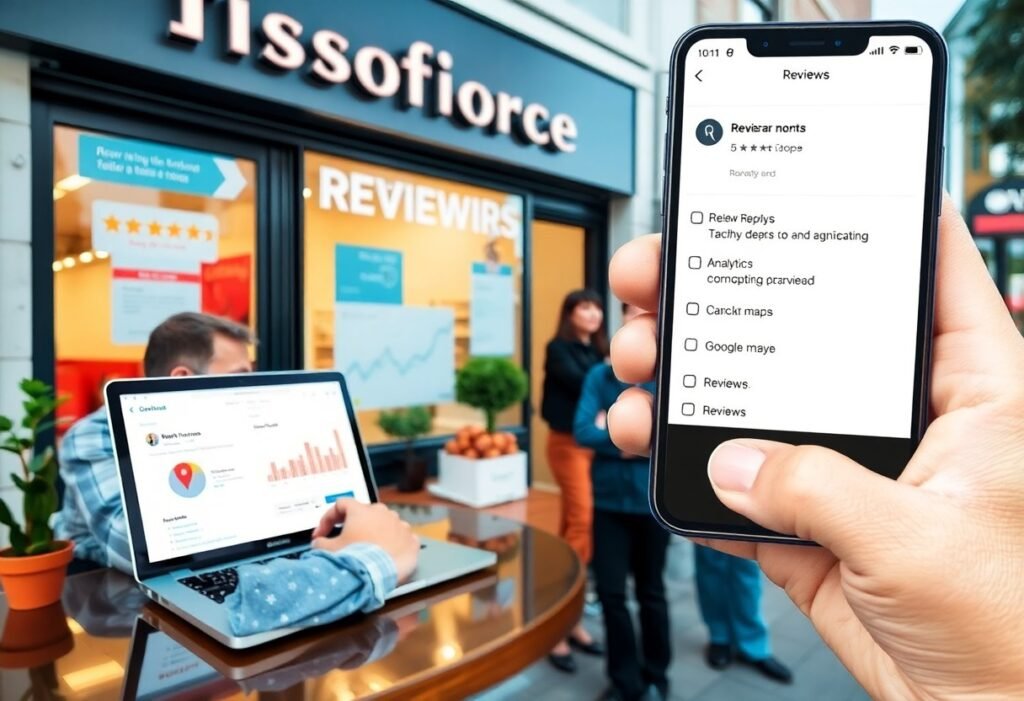
Ratings shape whether users call or visit; when you respond to Q&A and address negative feedback publicly, you convert skeptics and signal reliability, often driving more in-person visits than site analytics indicate.
Photos, posts, and real‑time engagement
Photos let you showcase experience instantly; when you publish high-quality images and timely posts, you create positive urgency, while stale or misleading content can reduce clicks and foot traffic.
Consistently add diverse shots (interior, exterior, staff, product) and short posts about offers or events, tag locations, and include descriptive captions; small details like geotags and accurate timestamps boost discoverability. Avoid stock or overly edited images – fake photos harm trust. When you reply to comments and post live updates, you trigger more clicks, direction requests, and conversions than tweaking website content.
Core Local SEO Factors That Drive Maps Rankings
Focus on on-profile signals, citations, and reviews that determine local visibility; you should align them with searcher intent. Perceiving your Maps rankings and local SEO as strategic assets shifts how you allocate effort.
- Google Business Profile
- NAP consistency
- citations
- reviews
- category relevance
- on-page relevance
Google Business Profile completeness and optimization
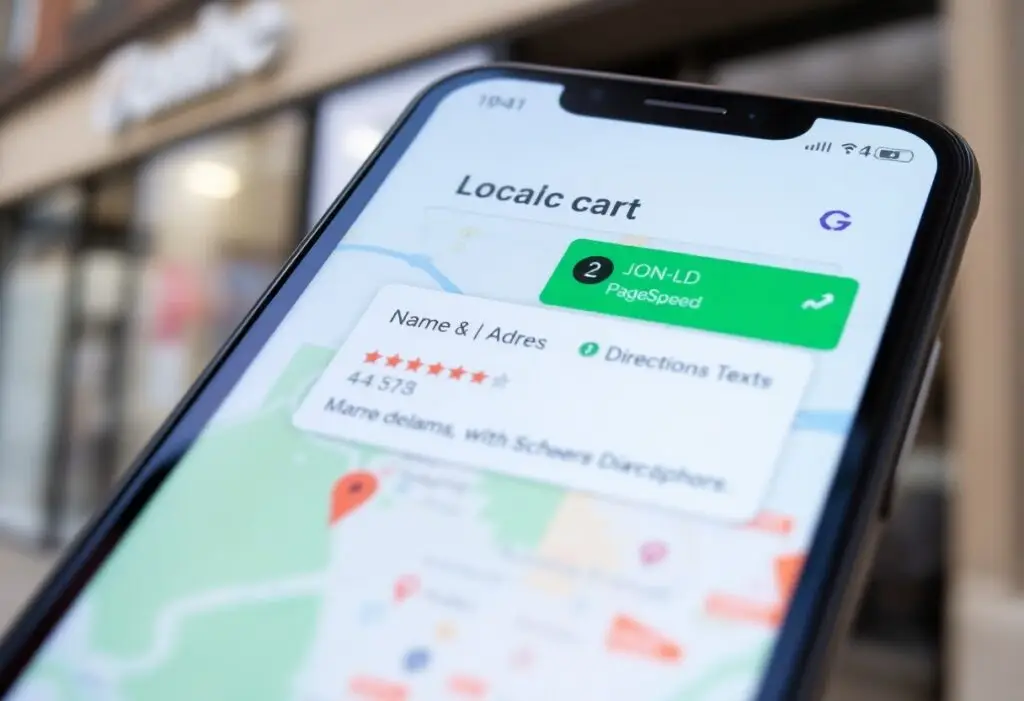
Optimize your Google Business Profile by completing every field, adding quality photos, publishing services and offers, and keeping hours current so you build trust and increase clicks from Maps and local searches.
NAP consistency, citations, and category relevance
Ensure your NAP consistency across directories, earn authoritative citations, and choose precise category relevance so Google accurately classifies and favors your listing for relevant queries.
Audit your listings regularly to fix NAP inconsistencies, remove or merge duplicate listings, obtain top-tier authoritative citations, implement schema markup, and verify your primary category; otherwise Google may misattribute location data and drop rankings.

Measuring Maps Performance and ROI
Measure Maps ROI by linking Maps metrics to sales and lifetime value; you prioritize local visibility over raw sessions. Focus on actions that drive visits and revenue, using modeled footfall lift and conversion value to justify ongoing investment.
Maps-specific KPIs: impressions, direction requests, calls
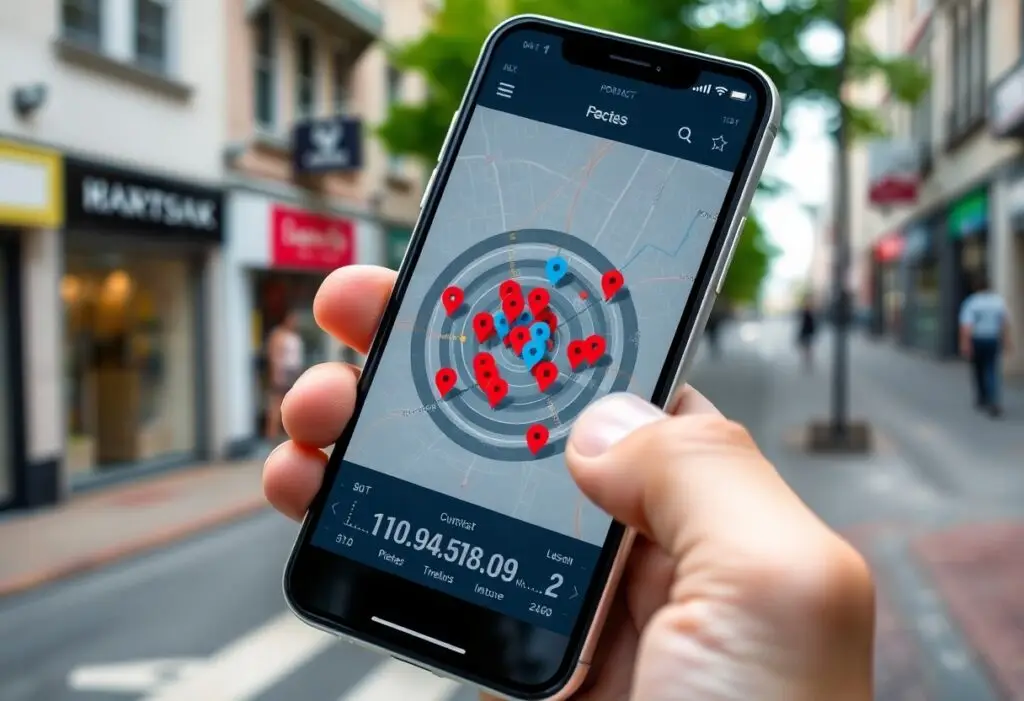
Track Maps-specific KPIs: impressions, direction requests, and calls to gauge local intent. You should correlate trends with campaigns, hours, and listing updates so you can optimize photos, descriptions, and offerings for more visits.
Attribution for offline conversions and revenue
Use modeled attribution and integrations to tie store visits and POS sales back to Maps. You should combine call tracking, reservation systems, and CRM matches while noting privacy limits; treat offline revenue as a primary outcome metric for local SEO.
Combine deterministic signals (calls, bookings, CRM matches) with probabilistic modeling and geo-experiments to produce reliable Maps attribution. You should set sensible time windows, deduplicate events, and validate against POS totals to avoid over-attribution. Emphasize store-level revenue and lifetime value, use holdout tests or incremental lift studies, and implement privacy-safe hashing and consent-aware imports so results are defensible.
Practical Tactics to Improve Maps Rankings
Implement consistent Google Business Profile details, targeted local keywords, and link signals to boost Maps visibility. Prioritize accurate NAP, timely updates, and a steady review flow so you outrank competitors even if website traffic lags.
Review acquisition, response strategy, and reputation management
Encourage customers to leave reviews, respond promptly to every review, and personalize replies. Use templates for speed but address specifics to defuse issues. Monitor sentiment and resolve problems to protect your reputation and prevent negative reviews from harming Maps placement.
Local content, links, and structured data for geographic relevance
Optimize location pages, create neighborhood-focused posts, and earn local backlinks from community sites. Add schema markup and consistent geo keywords so Maps recognizes your geographic relevance and boosts visibility in local queries.
Additionally, you should build unique location pages that include embedded maps, hours, and service areas; implement LocalBusiness schema to expose addresses and geo-coordinates. Pursue local backlinks from chambers, news sites, and partners, and list in authoritative directories so your site and Google Business Profile send aligned location signals that raise Maps relevance.
Summing up
So you should prioritize Google Maps rankings because they put your business directly in front of nearby customers, increase calls and visits, and drive conversions more predictably than general website traffic.