
Most customers research before calling because you must save time, avoid costly mistakes, and get accurate answers to make faster, better decisions.

Motivations for researching before calling
Many customers research to gain clarity, compare options, and decide whether a call is worth their time; you want to control the conversation and avoid surprises, so pre-call research helps you focus on what matters and reduces unnecessary back-and-forth.
Efficiency, time savings, and self-service preferences
Often you prioritize time savings, preferring quick answers or self-service; researching first helps you resolve simple issues without calling or arrive with targeted questions so the interaction is shorter and more productive.
Reducing risk, building confidence, and confirming value
Because you want to avoid costly mistakes and confirm a product’s value, you check reviews, specs, and policies before calling; that pre-check builds confidence and helps you spot red flags before committing or sharing personal details.
Additionally you verify warranties, return terms, pricing, and seller reputation so you can demand clarity or walk away if needed; watching for hidden fees, inconsistent reviews, or unverifiable guarantees protects you from scams and ensures the purchase delivers the promised benefits.
What customers research
Often you scan several sources before contacting support, so you enter calls informed and efficient; you pre-check pricing, policies, specs, and availability and gather social proof to narrow questions and set expectations.
Research topics and purpose
| Topic | Why you check |
|---|---|
| Pricing | Compare costs and promotions |
| Policies | Verify returns, warranty, and terms |
| Product specs | Confirm technical fit |
| Availability | Ensure stock or delivery windows |
Pricing, policies, product specs, and availability
When you check pricing, policies, specs, and availability you compare costs, verify return and warranty terms, confirm technical fit, and ensure stock or delivery windows to avoid surprises and shorten resolution time.
Reviews, troubleshooting steps, and competitor comparisons
You read reviews, troubleshooting steps, and competitor comparisons to spot patterns of failures, learn quick fixes, and weigh alternatives; consistent praise or repeated faults strongly influence whether you call or switch.
Additionally, you scan timestamps, vendor responses, and step-by-step fixes to judge severity and repair difficulty; you trust reviews from verified buyers and note whether the vendor replied or solutions are recent.
How you evaluate reviews
| Signal | What it tells you |
|---|---|
| Timestamps | Shows recency of issues or fixes |
| Vendor response | Indicates support quality and acknowledgement |
| Troubleshooting steps | Reveals quick fixes and reproducibility |
| Verified buyers | Increases reliability of the feedback |
Where customers research
Often you consult several channels before dialing, shaping expectations and reducing call length. Fast answers on accessible pages increase self-service and lower friction.
Company sites, help centers, and product pages
Explore company sites first: you scan FAQs, manuals, and product pages for official solutions, quick setup guides, and warranty details that you trust.
Search engines, review sites, forums, and social media
Search engines, review sites, forums, and social media surface comparisons and experiences, but you must watch for unverified tips and biased reviews that can mislead.
Additionally, you triangulate information by checking timestamps, source credibility, and consensus; prioritize authoritative sources and flagged comments while treating single glowing or angry posts as potential noise. Watch for scams and note recurring praise or complaints as patterns that reliably predict likely outcomes.
How research shapes call behavior
Understanding how pre-call research alters your questions and timing helps agents triage effectively; your prep often narrows the scope, raises expectations, and signals whether you need confirmation or a deep dive. Prepared callers shorten resolution time; mismatched expectations increase friction.
Question framing, expectations, and required evidence
When you frame questions based on research, you present clearer hypotheses and fewer surprises, which raises agent expectations and often requires documentary or technical evidence. You should signal which answers will satisfy you to avoid prolonged verification and repeated transfers.
Likelihood of escalation, intent clarity, and decision readiness
Because your research clarifies intent and readiness, agents can predict escalation risk and tailor responses; visible uncertainty increases the chance you’ll be escalated while clear next steps reduce it. Emphasize decision readiness to shorten calls and prevent unnecessary transfers.
Additionally, when you show purchase intent or follow troubleshooting steps, agents prioritize direct resolution paths; ambiguous signals often trigger manager escalations or repeated diagnostics. Provide timestamps, order numbers, or specific outcomes to convey readiness and lower escalation probability.
Business implications
Business impacts include lower call volume and higher expectations: when you provide clear self-help, customers come prepared, raising average handle complexity and escalation risk, but also delivering faster resolutions and lower costs when you align systems and metrics.
Designing effective self-service, content, and UX
Optimize your self-service so customers find answers pre-call: use clear labels, searchable content, and progressive disclosure to reduce live calls while preventing frustration by surfacing next-step actions and contact options when automation fails.
Training agents, scripts, and handoff strategies for informed callers
Train agents to assume callers did research: teach them to quickly validate facts, confirm assumptions, and pivot from transactions to solutions, using scripts that shorten verification and preserve trust during handoffs.
Equip teams with layered scripting: prompts for probing research sources, escalation triggers, and a concise handoff template so you minimize repeat contacts and avoid costly failed handoffs, while measuring success through time-to-resolution and customer sentiment.
Measuring and improving the pre-call journey
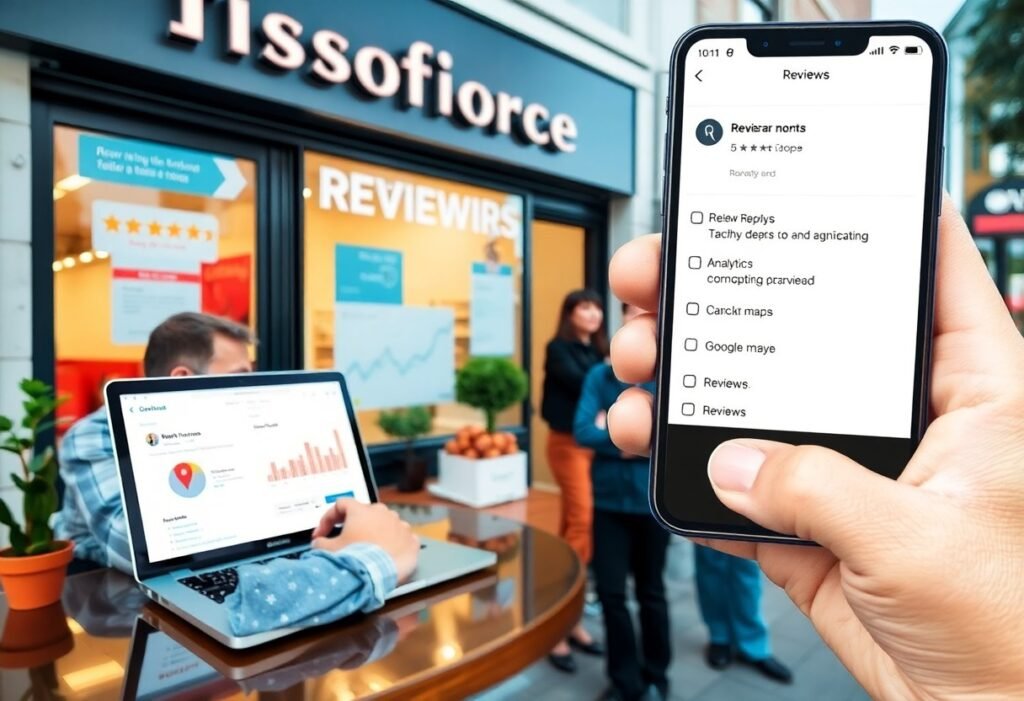
Measure the pre-call journey with analytics and qualitative signals so you can spot drop-off points, track self-service rates, and prioritize fixes that lower call volume while improving resolution and customer confidence.
Analytics, search queries, and feedback loops
Analyze search queries, session paths, and feedback to surface intent and recurring obstacles; use search queries as diagnostic signals and feed insights back into content, bots, and agent scripts for faster fixes.
A/B testing content, reducing friction, and closing knowledge gaps
Experiment with A/B tests on microcopy, FAQs, and flows to reduce friction and close glaring knowledge gaps, measuring lift in self-service and reductions in unnecessary calls.
Deepen your approach by forming clear hypotheses, selecting metrics such as self-serve rate, call volume, time-to-resolution, and CSAT, and segmenting by intent or product; ensure adequate sample sizes, monitor for negative impact or regression on vulnerable cohorts, and combine quantitative results with qualitative feedback to interpret outcomes, prioritize high-impact fixes, and iterate until you see sustained lift, reduced calls, and higher CSAT.
To wrap up
Presently you research before calling to gather facts, set realistic expectations, and pinpoint questions so conversations are efficient; being informed lets you assess options, validate claims, and negotiate confidently with providers.