There’s a direct link between perceived credibility and audience action: when you present trustworthiness, users click and call; when you signal risk, they leave, so design, social proof, and clarity must guide your messaging.
The link between credibility and user actions
When you perceive a site as credible, you engage differently: you click more, stay longer, and are likelier to follow calls-to-action. Higher trust directly raises engagement and shapes measurable behaviors that drive conversions and revenue.
How perceived trust influences click decisions
Because you scan quickly, small trust signals-reviews, verified badges, clear policies-prompt clicks by reducing doubt. Visible credibility increases click-through rates as you favor predictable, low-risk destinations over unknown links.
The role of credibility in prompting phone calls
Contact options with trustworthy cues make you more likely to call; seeing a phone number next to testimonials or certifications converts hesitancy into action. Phone leads rise when credibility is evident, because you prefer direct contact for complex or urgent needs.
Furthermore you respond to specific credibility markers on call pages: visible hours, staff names, customer photos, verified business listings, and quick response promises. These reduce perceived risk and make dialing feel safe. Absence of such signals can be costly-you may abandon calls or choose competitors-while clear trust cues increase call completion and lifetime value by assuring you that your inquiry will be handled properly.

Trust signals that boost clicks and calls
Effective trust cues-badges, clear contact options, and visible social proof-reduce hesitation so you earn more clicks and calls; prioritize elements that make visitors feel safe and compelled to act immediately.
Social proof: reviews, testimonials, case studies
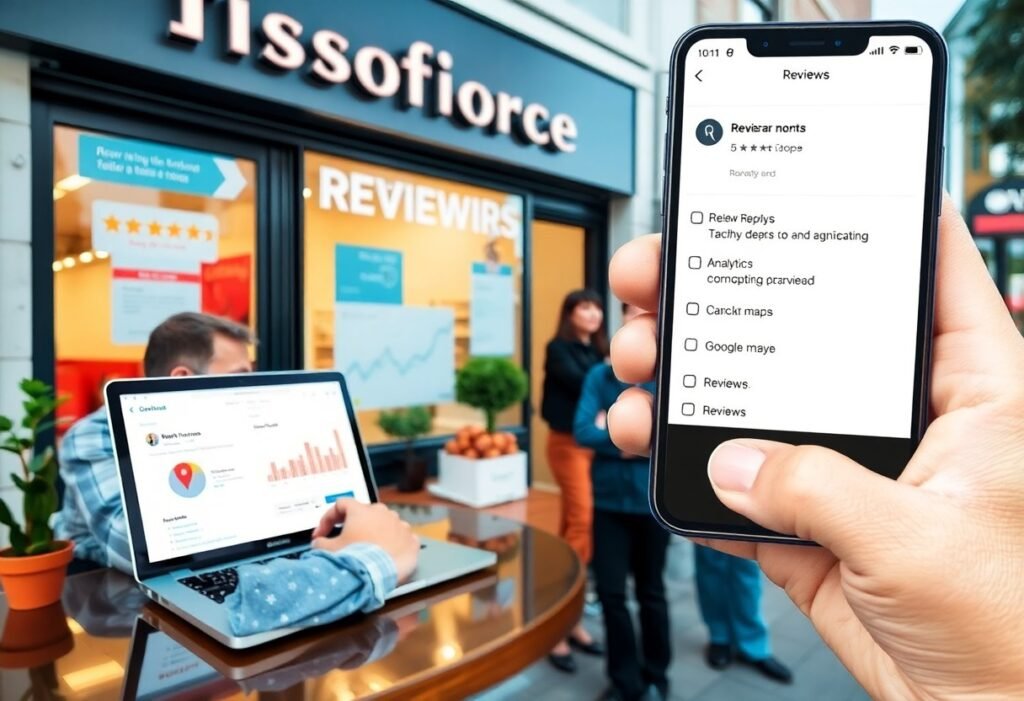
Visible ratings, testimonials, and concise case studies show you’ve solved real problems; you should surface reviews and outcomes to nudge prospects from browsing to calling.
- 1) Local dental clinic: 120 five-star reviews added to landing pages → +28% CTR and +42% phone calls over 6 months (N=3,200 visitors).
- 2) B2B SaaS: homepage testimonials and logos on pricing page → demo requests +34% and inbound sales calls +19% in 90 days (sample=1,100 leads).
- 3) HVAC company: three detailed case studies with before/after metrics → lead quality 3.5× higher and phone-conversion rate +31% (tracked across 240 leads).
- 4) E‑commerce brand: verified product reviews and star badges → product page clicks +23% and customer service calls converted to orders +12% (period: 4 months).
Authority signals: certifications, endorsements, media mentions
Certificates, endorsements, and media mentions reassure hesitant visitors; you should display prominent certifications and trusted logos so prospects click and call with confidence.
Additionally, you should prioritize verified certifications and dated media mentions, link to original sources, and display reputable endorsements where visitors can validate claims; authentic badges lift trust visibly and drive higher conversions, while fake badges or unverifiable claims can damage reputation and reduce calls sharply.
Design and messaging that convey credibility
Effective design and messaging signal to visitors that you’re legitimate and competent; use consistent branding, professional imagery, and clear value statements so your audience trusts you quickly.
Website UX, speed, and clear calls-to-action
Fast load times and intuitive navigation reduce friction, while prominent CTAs guide you to the next step without doubt.
Transparent policies, contact information, and pricing
Visible policies, contact details, and straightforward pricing let you evaluate risk; display a phone number, email, and a short refund policy to build immediate trust.
Provide clear, accessible policy pages, a visible phone number that connects quickly, and itemized pricing or tooltips for fees; include security seals, timestamps for updates, and an easy-to-find refund process so you reduce hesitation and increase calls.

Measuring and optimizing credibility
Measure credibility using behavioral and qualitative signals so you can prioritize fixes that increase clicks and calls, combining analytics, reviews, and user feedback into a single optimization loop.
Key metrics: CTR, call volume, conversion rate, sentiment
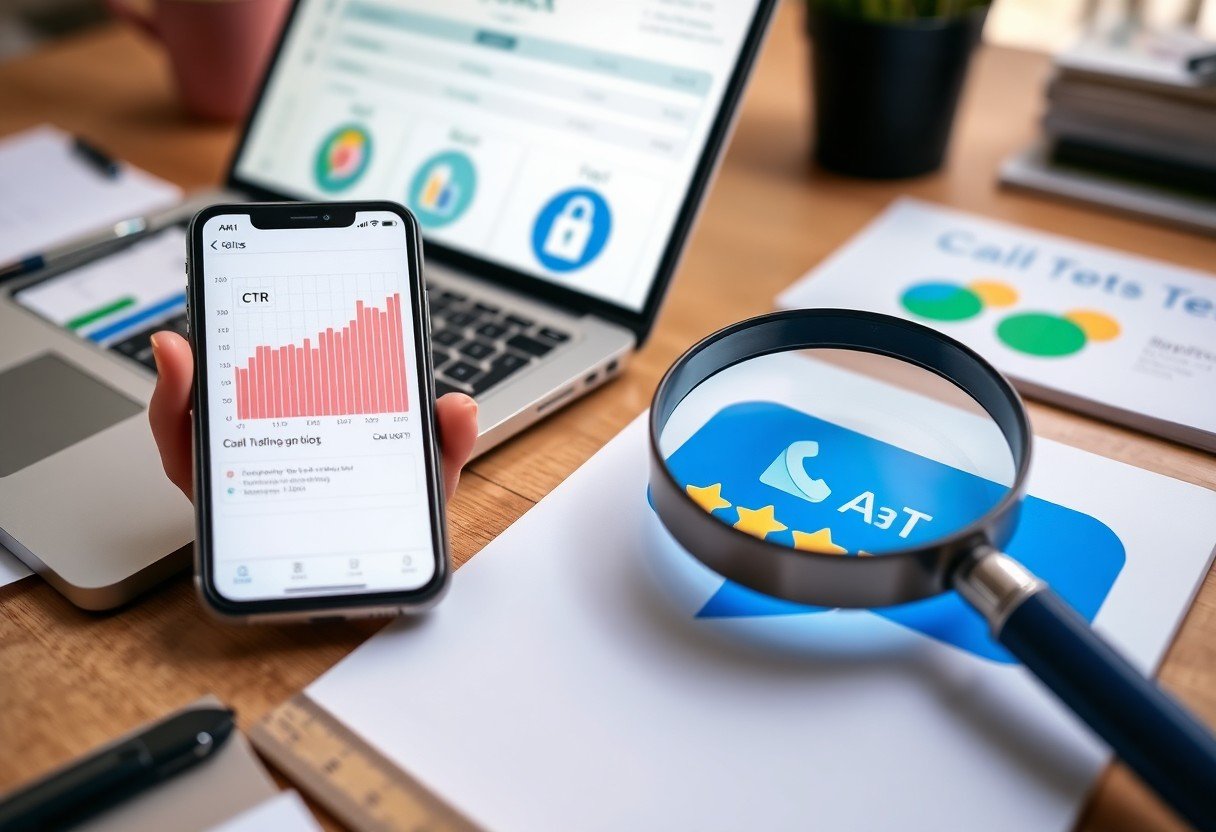
Track CTR, call volume, conversion rate, and sentiment so you can spot declines quickly, link changes to outcomes, and allocate budget to channels that convert callers into customers.
Experiments and improvements: A/B testing, review management, tracking
Test variations with A/B testing, manage reviews actively, and instrument calls so you can validate what actually increases trust and leads to more calls and conversions.
Iterate by forming clear hypotheses (for example, you think a new headline will raise CTR), running statistically powered A/B tests, and measuring downstream effects on calls and conversions. Use dedicated call-tracking numbers, tag campaigns with UTM parameters, and record calls for quality and sentiment analysis. Respond to negative reviews quickly and amplify positive ones; prioritize fixes that shift both click behavior and call outcomes.
To wrap up
With this in mind you prioritize trust signals-social proof, clear credentials, and consistent messaging-because they make you seem reliable, increase engagement, and prompt people to click and call; building credibility shortens decision time and converts interest into action.